A first look at Bobo-Dioulasso

Bobo-Dioulasso is Burkina Faso's second city, set in the Hauts-Bassins region and long shaped by the centuries-old Diula trading networks that thread across the Sahel. It carries its history lightly but significantly, and that balance — between a relaxed tropical pace and a deep cultural archive — is what most travelers end up remembering. The city is often described as one of West Africa's quieter rewards, rewarding the curious visitor with Sudano-Sahelian mud-brick streetscapes and a music scene that bubbles into the night.
Where you choose to base yourself, how you move between neighborhoods, and how you tune your day to the city's rhythm matter more here than a checklist of sights. The guidance below is drawn from what the sources actually confirm — architecture, transit, and the texture of cultural life — and skips the kind of generic advice that often clutters West African city guides.
Sudano-Sahelian architecture and the
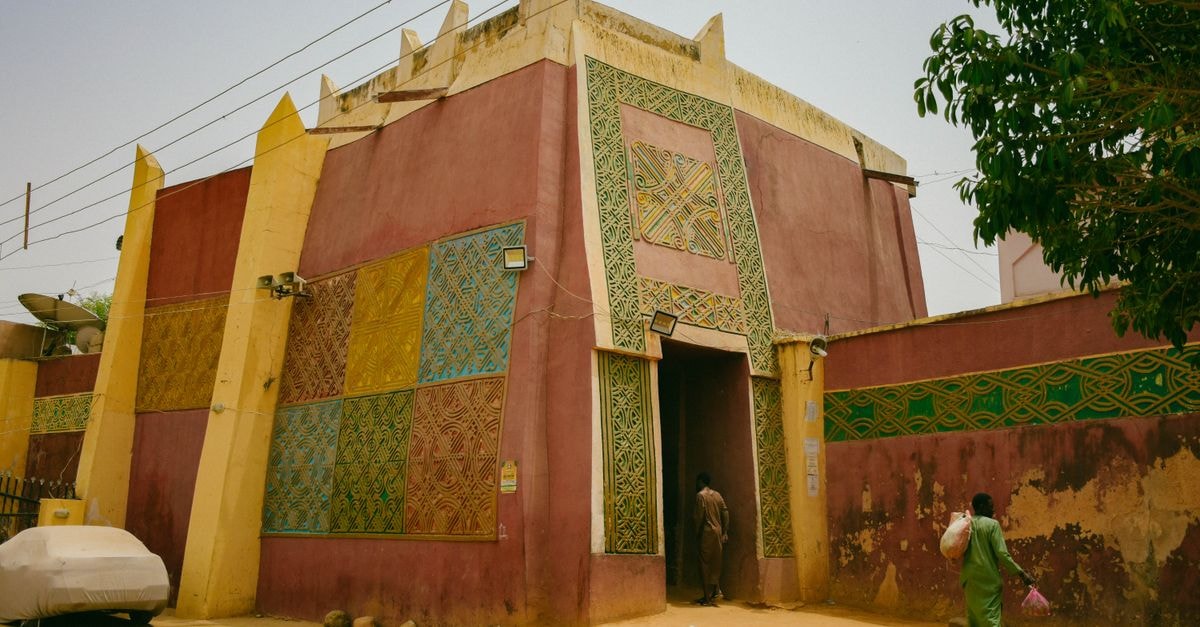
Its position near the old marketplace also matters. The Kibidwe quarter, where the mosque sits, preserves 19th-century mud-brick structures and gives you a walkable sense of how the city looked when Diula caravans were the main commercial artery of the Sahel. Treat a visit here as a slow one: the courtyard rewards lingering, the buttresses photograph best in the softer hours, and the proximity to nearby vendors means you can pair the visit with a wander through the market streets. Local worship continues throughout the week, and respectful dress is the simplest way to honor the site.
It is worth noting that the Grand Mosque was rebuilt in 1993, so what visitors walk through today is a careful restoration rather than untouched 1880 fabric — but the silhouette, the construction methods, and the setting all remain faithful to the original Sudano-Sahelian template.
Music, culture, and the texture of the day
Bobo-Dioulasso is widely cited as one of Burkina Faso's cultural capitals, and the city's musical heritage is part of why visitors rank its historical interest favorably. The nights here are for music and socializing, while the daytime offers its own slower cadence of cultural entertainment — from markets and neighborhood gatherings to informal rehearsals spilling out of courtyards. Dan Kan, a regional musical tradition with deep roots, sits alongside the city's broader Sahel-wide heritage of music and trade storytelling.
This day-night rhythm is useful to plan around. Mornings are typically the calmest window for slow exploration of the old quarter; afternoons tend to feel heavier and quieter on the streets; evenings are when the city opens up into something more social and musical. You don't need a formal ticket or a calendar to tap into this — the nightlife culture is woven into how the city spends its time.
Getting around the city
Transport in Bobo-Dioulasso is famously unfussy. The dominant option for visitors is the shared green taxi system, which is inexpensive and easy to hop into without much ceremony. The convention among locals and travelers alike is to agree on the fare before getting in, since shared taxis don't run on meters. Once you understand the rhythm — wave one down, state your destination, confirm the price, and slide in — moving between neighborhoods becomes second nature.
For a first-time visitor, the most practical approach is to divide the city into rough zones and use shared taxis to bridge them. The old Kibidwe quarter, the market districts, and the more residential neighborhoods each have their own character, and using taxis lets you sample several without committing to long walks under the West African sun. Within Kibidwe itself, much of the sightseeing is genuinely walkable — the Grand Mosque, the surrounding 19th-century streets, and the nearby marketplace sit close enough together to explore on foot.
Because fares are negotiated per ride rather than per route in the same way a tourist bus might be, keeping small bills ready and asking a local or your accommodation for a sense of the going rate before your first ride will save you both money and awkwardness. This is the kind of small logistical detail that turns a confusing first day into an easy first week.
Where to base yourself
Local recommendations for first-time visitors tend to emphasize picking a neighborhood that matches the kind of trip you want. Some travelers prefer to stay close to the Kibidwe old quarter, where the mosque and the market are within walking distance and the streetscape is the most consistently atmospheric. Others lean toward areas with a livelier evening feel, near the music and social scene that gives the city its reputation after dark.
There is no single right answer, and the sources don't single out one specific hotel or guesthouse. The practical takeaway is to choose proximity over prestige: a simpler room within a short taxi ride of the old quarter or the music neighborhoods will give you a richer visit than a fancier base on the city's edge. Confirming the exact location, current pricing, and booking status directly with the property before arrival is the only reliable approach — third-party listings in Bobo-Dioulasso can lag behind reality.
Planning your time well
Because the city rewards a slow pace — courtyard conversations, market wanders, an unhurried loop through Kibidwe — one of the most useful things you can do is resist the urge to cram. A typical travel rhythm here looks like two or three anchor stops in a day rather than a dense checklist: the mosque and Kibidwe in the morning, a market neighborhood in the early afternoon, and an evening aimed at whatever music or social life is unfolding.
Treat the heat of the day as a pacing tool rather than an obstacle. Linger in shaded courtyards, take a shared taxi between major stops, and save the cultural energy of the evening for after the sun softens. That pacing also happens to match how the city itself moves, which is part of why so many visitors describe Bobo-Dioulasso as relaxed rather than rushed.
A short note on practicalities
A few details are worth keeping in mind as you plan. Public transport here means shared green taxis, and the rule is to agree on the fare before boarding. Respectful dress is appropriate around the Grand Mosque and other religious sites. Local sources consistently highlight that the city's historical and cultural interest runs deeper than its size suggests, but the most concrete anchors remain the mosque, the Kibidwe quarter, and the surrounding Sahel-wide musical and trading traditions that connect Bobo-Dioulasso to the wider region.
Factual conditions — taxi pricing norms, neighborhood character, market hours, and the cultural calendar — can shift over time. Treat the guidance above as a starting frame and confirm anything time-sensitive, bookable, or location-specific through official channels or your accommodation before you travel.
---
**Disclaimer:** Travel conditions in Bobo-Dioulasso can change. Verify transport details, opening hours, neighborhood character, and any bookable services with official sources or your accommodation before departure.
Share this article
TOOLS FOR THIS PLAN
Make the Bobo-Dioulasso plan measurable
Choose a tool only when it answers the next question in your trip. Your values stay in the browser, and each tool offers a route back to this planning context.