A first look at Afyonkarahisar
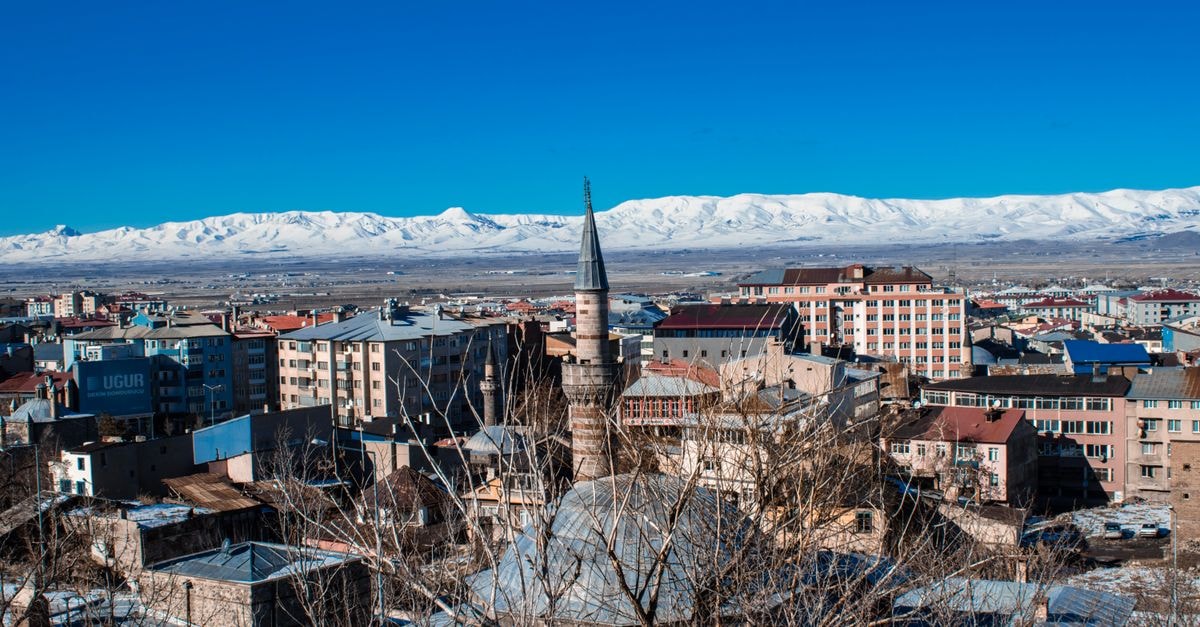
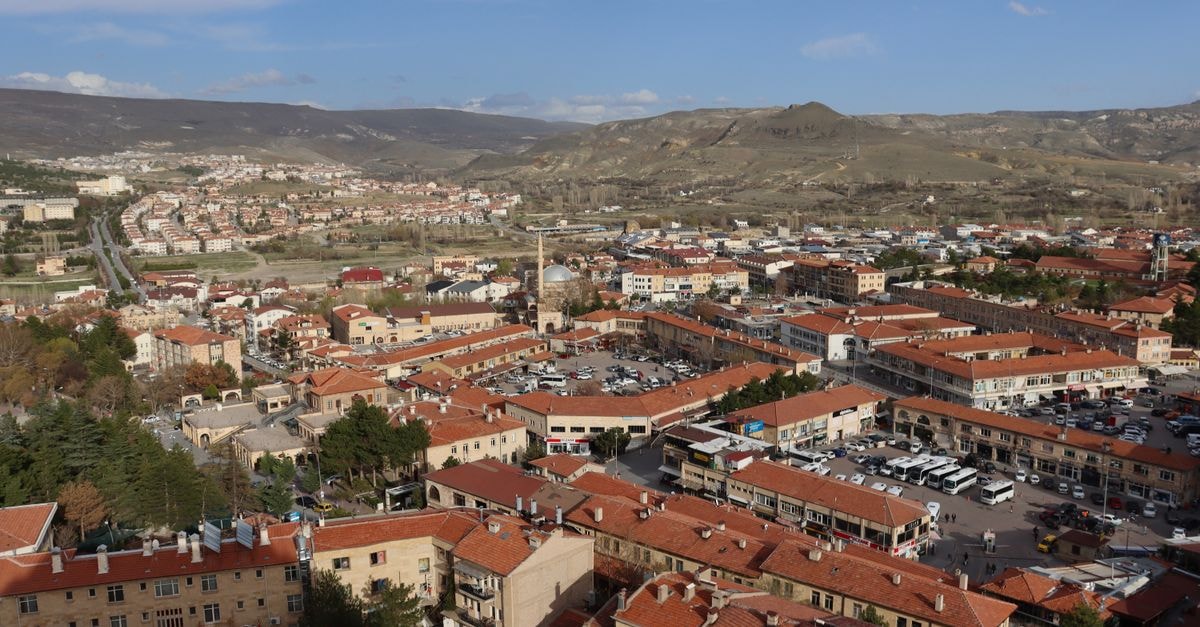
Afyonkarahisar sits in western-central Türkiye, spread across the inner Aegean plateau at around 1,020 meters of elevation. That highland setting shapes the city's rhythm: wide skies, generous views, and a noticeably calmer pace than the coastal resort towns to the west. The most striking visual cue is the colossal rock that rises above the old center, crowned by a Byzantine castle that overlooks the rolling plains below. Visitors who arrive by road or rail often catch their first glimpse of the city framed against that rock, and it tends to set the tone for a stay that feels more about slow exploration than ticking off big-ticket sights.
The city carries a layered identity. Beneath the dramatic geology, a long heritage of mineral-rich thermal springs has been drawing visitors for thousands of years, with the springs in the area referenced as far back as 1200 BC. Today, the city is a working provincial capital rather than a polished tourist hub, which is part of its charm for travelers who enjoy a destination that still feels lived in.
Weather and seasonal context
Because Afyonkarahisar rests on an elevated plateau rather than along the coast, the air tends to feel drier and the temperature swings between day and night can be more pronounced than many visitors expect. The highland setting means the sun can feel strong during the day, while evenings cool off quickly. Travelers who prefer a layered wardrobe often find the rhythm of the day more comfortable here, especially if they plan to spend time outdoors or up at the castle rock in the late afternoon.
The most useful seasonal instinct is to pace the day around the light. Mornings tend to be the calmest and clearest window for walking the older neighborhoods and looking out across the plains, while the softer late-day light is when the rock and the castle above it really come into their own. If you prefer fewer crowds and a quieter sightseeing pace, those shoulder hours around the rock tend to be especially rewarding.
Getting around
Getting around Afyonkarahisar is straightforward, though it rewards a relaxed approach. The public transport network is functional and usable for moving between the main parts of the city, but it is not particularly extensive, so a mix of walking, taxis, and occasional public transit works well for most independent travelers. The compact old center around the rock and the lower bazaar streets is reasonably walkable, while the longer cross-town routes are where the local transit or a short taxi ride tends to save time.
The plateau altitude is worth keeping in mind. At roughly 1,020 meters, the air can feel thinner on the first day, particularly if you are arriving from sea level. A few practical habits make the city easier to enjoy: take it easy on the first afternoon, drink water steadily through the day, and stick to bottled water to avoid any stomach upset, which is a common-sense move in many parts of Türkiye. No specific vaccinations are required beyond the routine travel vaccines usually recommended for the region, such as hepatitis A and typhoid, so a standard pre-trip health check with a travel clinic is enough.
For travelers who like to keep things flexible, the simplest approach is to base yourself near the center and use walking for the castle rock and the nearby streets, then call on local transit or a taxi for the thermal facilities on the edges of the city.
Attractions and planning
The headline sight is the rock itself. The Byzantine castle at the summit offers panoramic views out over the rolling plains, and the climb up is the kind of slow, steady ascent that rewards taking your time. From the top, the layout of the city unfolds below, with the plains stretching out toward the horizon, and it is easy to see why the rock has been a landmark for so long.
Planning a visit here is more about attitude than a packed schedule. The city is best approached as a base for slow days rather than a checklist of big attractions. The most rewarding pattern is usually to spend a relaxed morning around the lower town and the bazaar area, then work your way up toward the castle rock in the late afternoon when the light is softer and the air is cooler. A short evening stroll afterward, with the rock lit against the sky, tends to be a highlight of any stay.
Beyond the rock, the city's deeper draw is its thermal heritage. The mineral-rich springs in the broader area have been a draw since antiquity, and that long bathing culture is woven into how locals unwind. Travelers with an interest in wellness traditions often find the thermal facilities a natural counterpoint to a day of walking and sightseeing, and they pair especially well with a quieter evening schedule. A useful planning instinct is to leave the thermal experience for after the day's main sightseeing rather than trying to fit it in at midday, when energy levels tend to dip on the plateau.
Because this is an evergreen guide, a few practical details are best verified before you go. The current opening hours and ticket arrangements for the castle rock, as well as the day-to-day access arrangements for the thermal facilities, are worth confirming with your hotel or the local tourist information once you arrive. Conditions on the rock itself can also change with the weather, so it is sensible to ask locally about the state of the path on the day you plan to climb.
Food and local context
Afyonkarahisar sits within the wider Turkish food world, and that broader context is what most visitors will encounter on the plate during a stay. Turkish cuisine as a whole places a strong emphasis on fresh bread, grilled meats, slow-cooked stews, mezes shared across the table, and the ritual of tea that punctuates the day. Travelers who enjoy lingering meals and small plates will find the local rhythm familiar, with a culture of unhurried dining that suits the slower pace of a plateau city.
Within Türkiye, meals are often a social event rather than a quick refuel, and it is common to see tea served in small curved glasses throughout the day, both in homes and in casual cafés. Hospitality is a strong cultural thread, and visitors are often offered tea or a small bite by people they have only just met. A few simple habits go a long way: accept offered tea graciously, take time over meals, and remember that tipping is appreciated but modest in casual spots. These are general Turkish customs rather than city-specific rules, and they help frame the way food is enjoyed in Afyonkarahisar as well.
For travelers who want to connect with the local food scene, the most natural approach is to eat where locals eat, ask for daily recommendations, and treat mealtimes as a pause in the day rather than a rushed stop. That rhythm matches the city itself, where the pace is gentle and the days tend to unfold slowly.
Choosing what fits your trip
Afyonkarahisar tends to suit travelers who enjoy a destination with a strong visual signature rather than a dense list of attractions. The combination of the rock-top castle, the wide plateau views, and the long thermal heritage makes it a natural fit for slow, curiosity-led trips where one or two anchors shape the day, and travelers who like pairing a city base with a wellness tradition may find the thermal springs especially appealing. If you prefer a more intensive sightseeing pace with many stops per day, consider how you structure your time here, as the city's rewards come from lingering rather than racing through a list.
A note before you go
Practical details such as opening hours for the castle, ticket arrangements, and access to thermal facilities can change over time, and conditions on the rock can vary with the weather. It is always worth checking current information with your accommodation or the local tourist office shortly before any planned visit. Currency rates are also worth confirming on the day, as they are only a reference point. The wider customs around tea, meals, and hospitality tend to be stable, but official travel advice should be reviewed before departure for any updates that may affect your plans.
Prices, opening hours, schedules, reservation rules, and local conditions can change; verify them through official channels before departure.
Share this article
TOOLS FOR THIS PLAN
Make the Afyonkarahisar plan measurable
Choose a tool only when it answers the next question in your trip. Your values stay in the browser, and each tool offers a route back to this planning context.