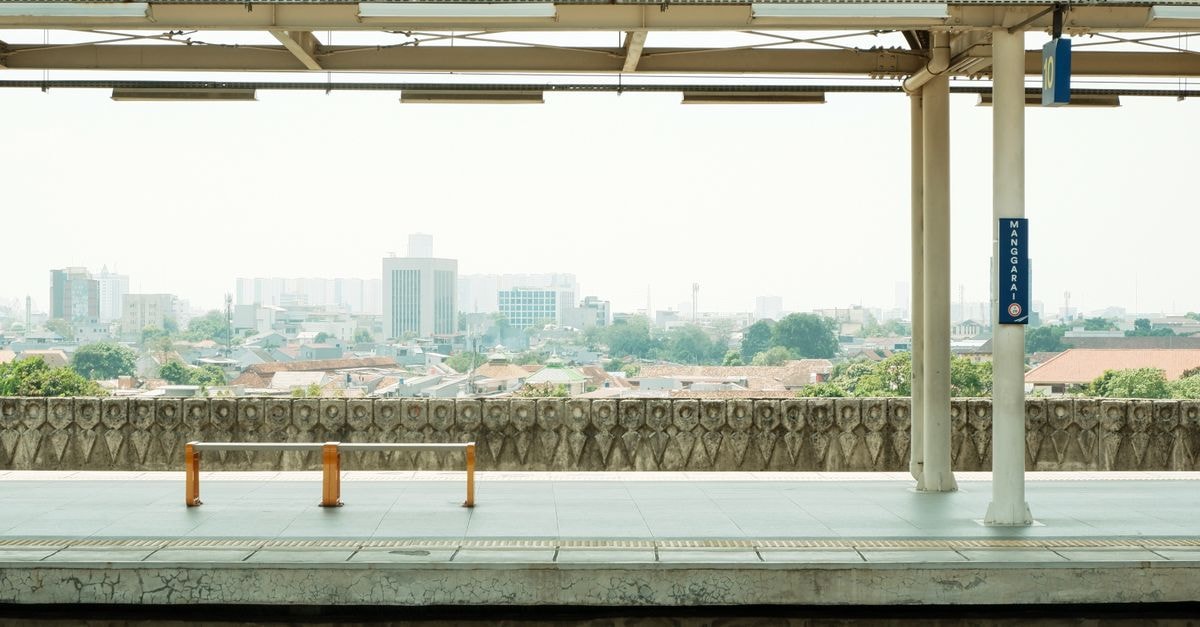
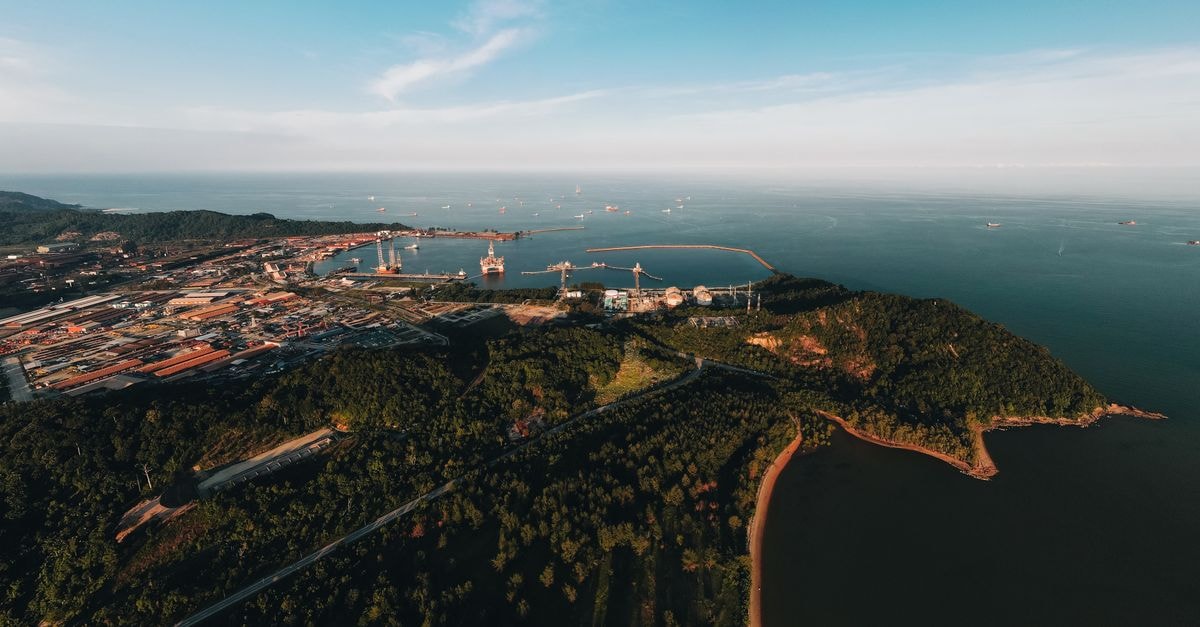
A relaxed entry point to Bangka Belitung
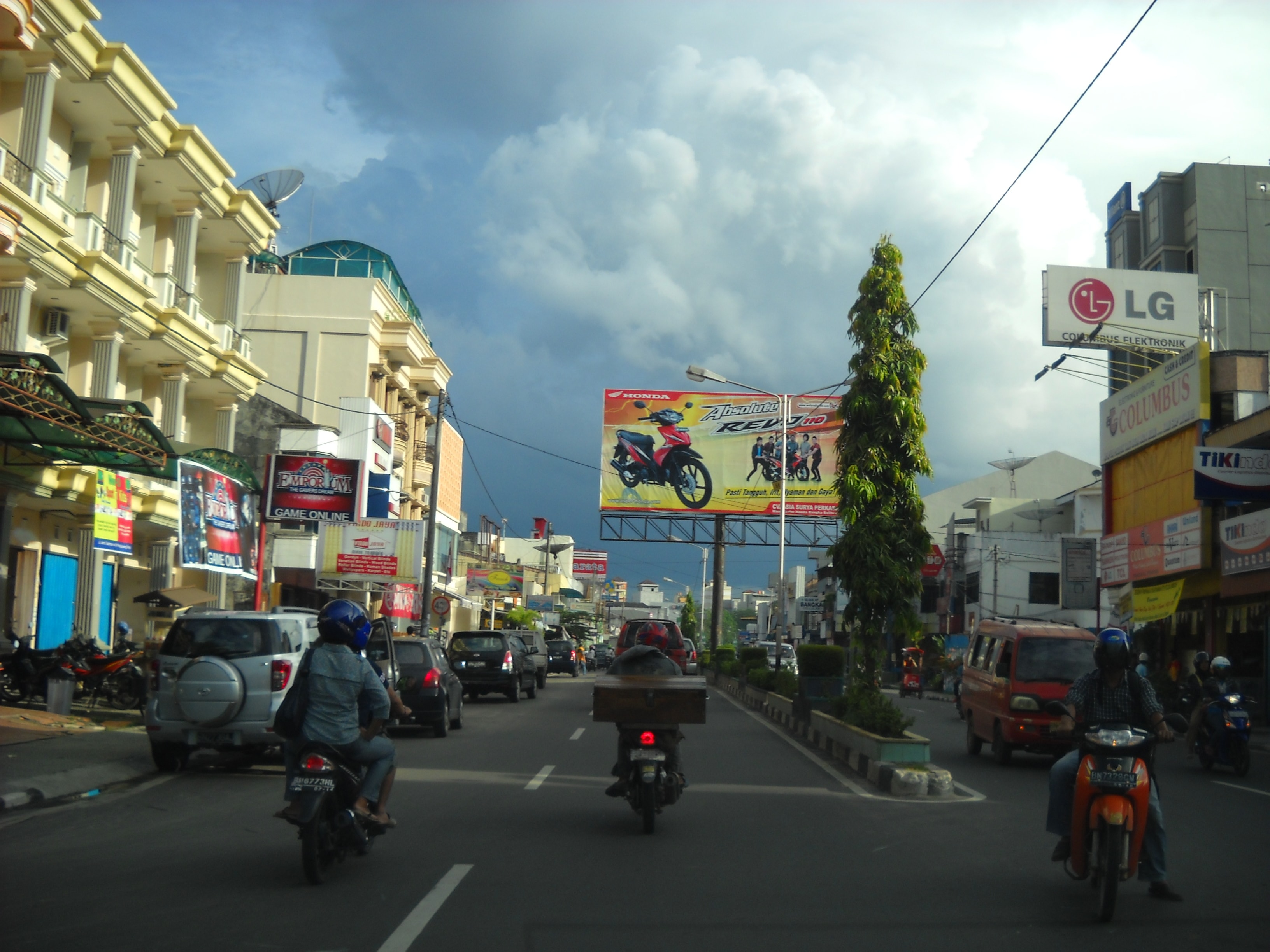
Pangkalpinang sits as the natural gateway to the Bangka Belitung archipelago, and the city itself rewards a slower kind of traveler — one who values heritage sites, sea air, and unhurried meals over a packed checklist. The island capital carries a layered identity: a working port city with deep roots in the regional tin industry, and a coastal town where beach time and casual dining are woven into daily rhythm. If you are the sort of visitor who prefers a base town with a few meaningful stops and easy access to the sea, this is a city that may suit your pacing.
What follows is a practical, evergreen orientation to Pangkalpinang. It draws only on the kinds of details that hold up across visits — the cultural anchors, the culinary texture, and the wider Indonesian context that travelers are likely to encounter — so the guide remains useful whenever you arrive.
Heritage anchor: the tin-mining story
One of the most concrete ways to understand Pangkalpinang is through its relationship with tin. The Museum Timah traces the history of tin mining in the region and gives visitors a focused introduction to the industry that shaped Bangka Belitung's economy, settlement patterns, and urban landscape. For travelers who enjoy a single, well-defined heritage stop rather than sprawling museum complexes, this kind of place-oriented museum may suit a short morning or a quieter afternoon slot, especially if you are balancing your day with time on the sand.
Because the museum is anchored in a specific regional story, it pairs naturally with the city's identity as a gateway. Reading or listening to the exhibits offers context that colors the rest of a stay: the working harbors you may glimpse, the names of districts shaped by mining communities, and the broader economic currents that connect the islands to mainland Sumatra and beyond.
Coast and casual meals in Pangkalpinang
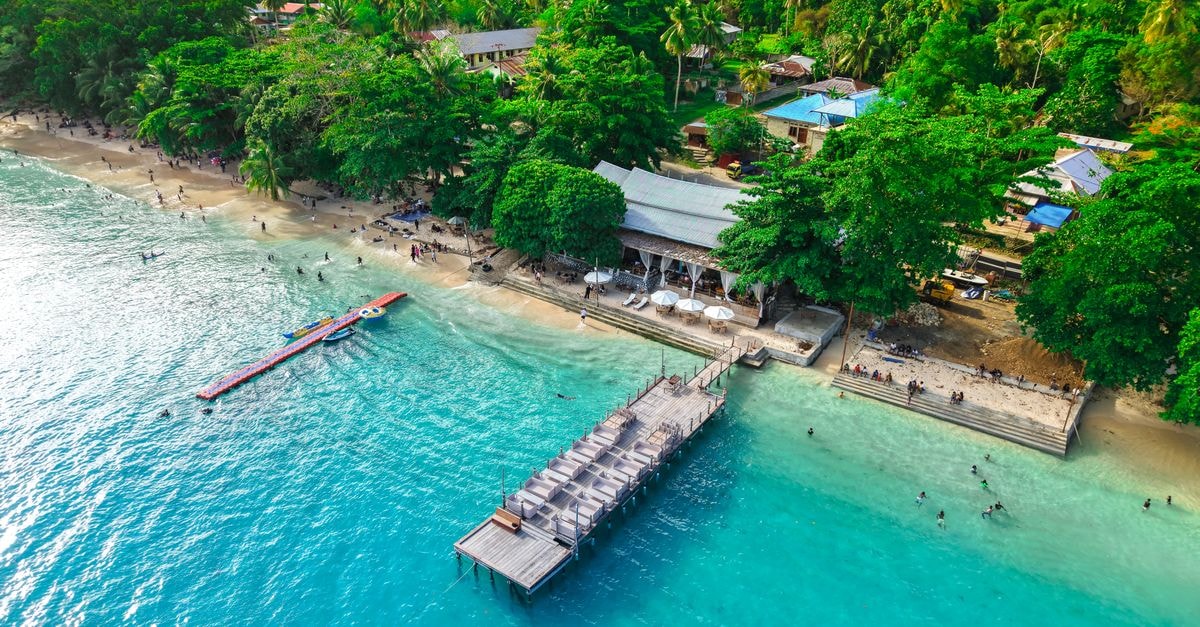
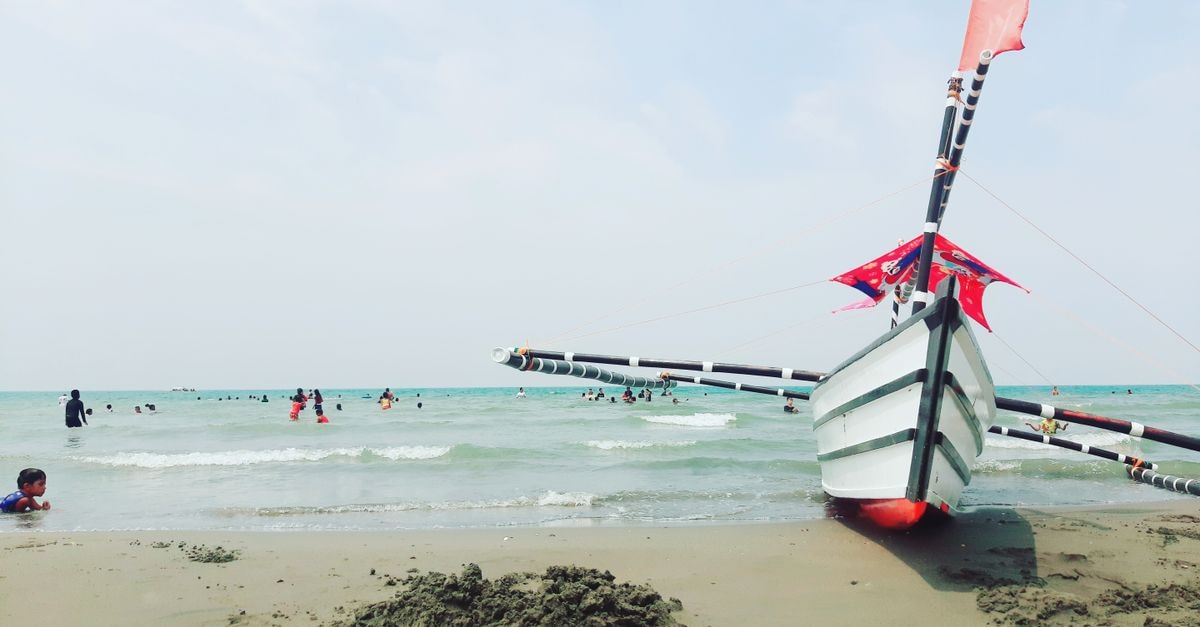
Pasir Padi Beach is part of the city's coastal texture, and the stretch around it is where Pangkalpinang's relaxed side becomes most visible. The beach invites low-key time by the water — walking, sitting, watching the day shift — without the scale or the crowds of larger resort destinations. Travelers who prefer a beach that feels lived-in rather than manicured may find this pace appealing.
Nearby coastal seafood stalls extend the same easy energy into the evening. They are a natural fit for travelers who like to graze rather than commit to a long, formal dinner. The stalls are closely associated with tasting local dishes such as mie Belitung and grilled fish, which makes them a useful starting point if you want to orient your palate to the region. If you are curious about regional noodle traditions or simply enjoy eating close to the source — straight from the grill, looking at the water — this corner of the city may suit you well.
A light approach works here. Order a few shared plates, expect the rhythm of an informal coastal stall, and let the evening settle at its own pace.
Food and local context: what you are tasting
Pangkalpinang sits within a much wider Indonesian food culture, and that broader context is part of what gives local dishes their texture. Across Indonesia's many islands, cuisine is shaped by geographic variety and cultural diversity, and travelers moving from one region to another often notice how ingredients, techniques, and flavor profiles shift between them. Mie Belitung, for example, reads clearly as a regional noodle tradition when set against this wider backdrop of Indonesian variation.
This wider Indonesian context also informs how food is experienced socially. Indonesian culinary culture places value on the stories and social settings behind a dish, not just the plate itself — meals tend to be shared, conversational, and tied to specific places and communities. Travelers who appreciate food as cultural texture, rather than only as fuel, will likely find that the local stalls and small kitchens of Pangkalpinang reward a little curiosity. Asking what is in a broth, how a fish is grilled, or where a noodle tradition comes from is generally received warmly.
Because Pangkalpinang is a port city with coastal access, fresh seafood and noodle-based dishes are recurring features of the local table. If you have dietary preferences, coastal stalls often offer enough variety to assemble a meal from a few simple choices, but specific menu details, opening hours, and ingredient lists are best confirmed on the spot or through current local information.
Choosing what fits your trip
Pangkalpinang tends to reward travelers who are comfortable with a slower, more textured base town rather than a high-energy resort circuit. If your priority is a meaningful heritage stop followed by low-key beach time and regional meals, the city's main anchors — the tin-mining museum, the coastal beach, and the surrounding seafood stalls — can comfortably fill a relaxed day or two. If you are pairing a visit with broader island exploration, Pangkalpinang works well as a calm arrival or departure point, with the city itself offering enough context to feel like a destination rather than a transit label.
Travelers who prefer dense urban sightseeing, large-scale attractions, or a wide choice of formal restaurants in one place may find the city's pace quieter than expected. In that case, treating Pangkalpinang as a base for the wider Bangka Belitung islands — while still leaving room to enjoy the heritage museum and the coast — may suit your style better. As always, current conditions around transport, services, and accessibility are worth confirming locally before finalizing plans, since on-the-ground details can shift.
A small verification before you go
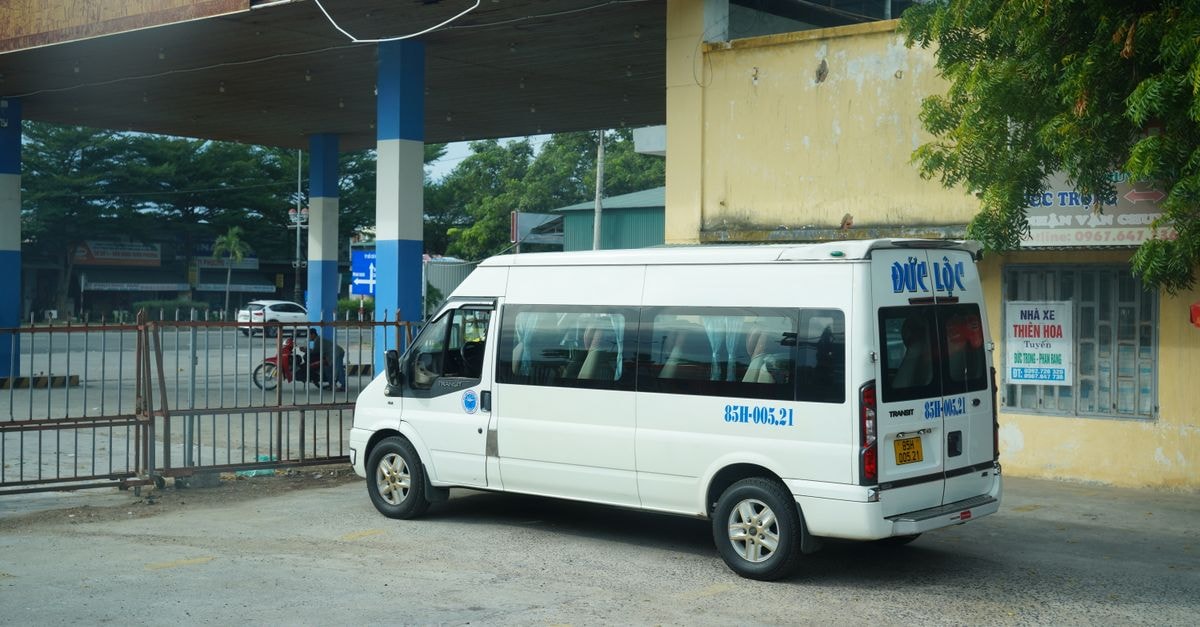
One practical question worth resolving before arrival: how you will move between the museum, the beach, and the coastal dining area within the city. The distance and the most convenient transport option for your group are details that a local contact, your accommodation, or an official tourism channel can confirm more reliably than any general guide. Everything else above is built to stay useful across visits.
Travel conditions — from opening hours and transport availability to menu details and local services — can change. Treat this guide as a starting framework, and verify the specifics that matter to your trip through official channels close to your travel date.
Share this article
TOOLS FOR THIS PLAN
Make the Pangkalpinang plan measurable
Choose a tool only when it answers the next question in your trip. Your values stay in the browser, and each tool offers a route back to this planning context.