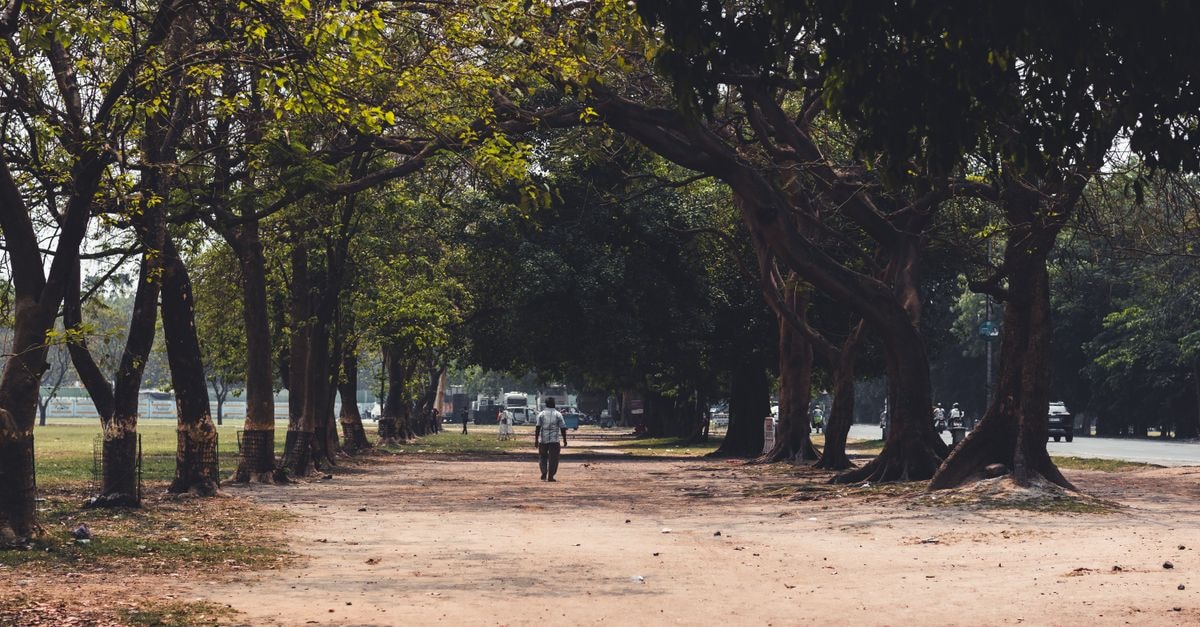
A first look at Gangtok
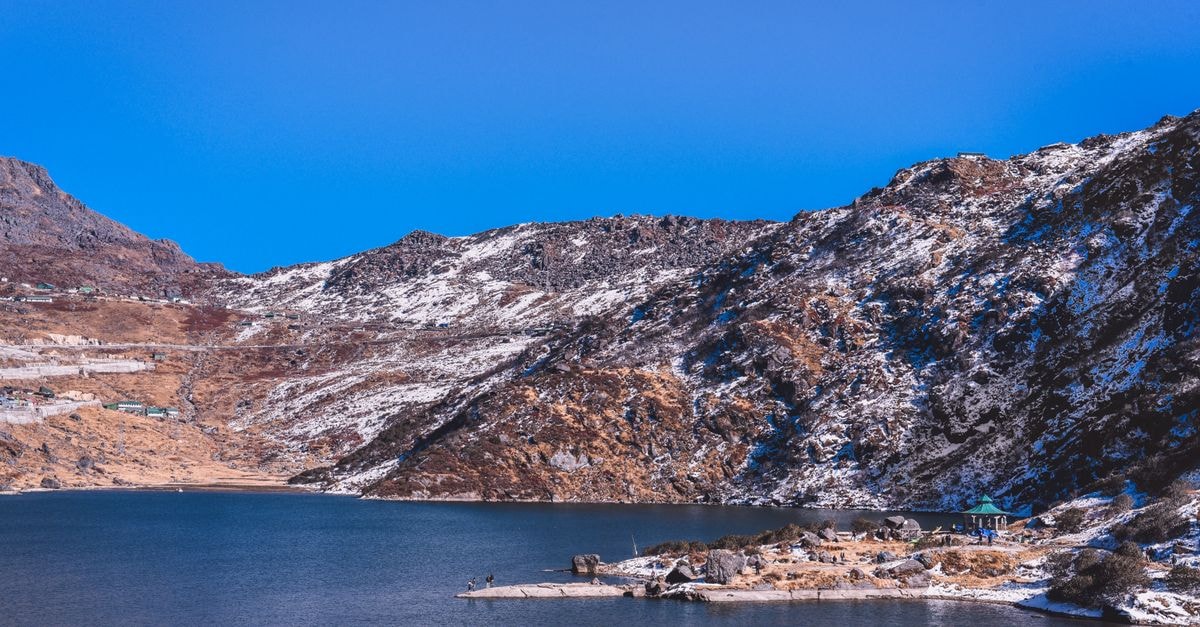
Gangtok sits as the capital of Sikkim, a state folded into the eastern stretch of the Himalayas. The city has a way of pulling visitors in slowly, with hillside lanes that feel layered rather than rushed, and a pace that invites curiosity over checklist-style touring. Because the destination carries both regional character and wider national customs, a first visit benefits from understanding two things up front: how you are allowed to enter the state, and how food shapes everyday life across India. Those two threads run through this guide, drawn directly from verified travel sources rather than assumptions.
This is a guide for travelers who want a practical, evidence-based foundation before they book flights or pack bags. It does not promise a perfect itinerary. Instead, it surfaces the entry rule that shapes every foreign visitor's trip, and frames the dining culture that visitors will almost certainly encounter while spending time in the city.
Entry rules and getting around
For any foreign traveler heading into Sikkim, the most important logistical step is securing an Inner Line Permit, commonly abbreviated as ILP. According to available travel information, foreigners must obtain this permit to enter Sikkim, and it is made available at borders and major cities. That single rule reframes the rest of the trip planning: it is the document that makes a Gangtok stay legally possible for non-Indian visitors, and the timing of its acquisition should sit at the top of any pre-departure list.
Beyond the permit, planning movement into the region typically starts at a regional travel hub. Gangtok is described in available travel resources as a premium launchpad for North East India travel, framed as a welcoming entry point to the broader Sikkim experience. Visitors often use the city as an organizational base, arranging onward connections and gathering information before stepping out into the surrounding state.
For travelers who want to minimize logistical surprises, a few considerations may help shape a smoother arrival:
- Confirm permit pickup points in advance, since ILPs are issued at borders and major cities, and the nearest available counter can affect routing. - Treat the city as an orientation stop rather than a one-night pass-through, which can ease the friction of paperwork and onward bookings. - If you prefer slower travel with fewer moving parts, factor a buffer day into your schedule to account for permit processing and local orientation.
These are framing suggestions, not promises about processing times, because the available sources do not specify hours, fees, or exact counters. A quick verification call or message to a recognized regional travel contact can confirm the current permit procedure before departure.
Food and local context
Eating in India is rarely just about filling a plate. Available sources frame Indian food culture as a reflection of the country's diversity in languages, landscapes, and traditions, with regional cuisines each carrying their own flavors and customs. Food, in that framing, is more than sustenance: it is woven into rituals, festivals, and social gatherings, and engaging with those traditions is described as a way of truly connecting with local culture while traveling through India.
For a visitor spending time in Gangtok, this nationwide context matters because the dining culture encountered in the city sits inside a much larger Indian food story. Travelers who arrive curious about the role of food in daily life often find that meals become one of the more memorable layers of a Himalayan city stay, even when the specific dishes differ from what they have eaten elsewhere in India.
Because the available food evidence describes India as a whole rather than naming specific Gangtok restaurants, menus, or market stalls, this guide deliberately avoids pointing to a particular eatery or dish as a city specialty. Instead, the practical takeaway is about orientation: mealtimes can be unhurried, the social rhythm around food is meaningful, and travelers who slow down to notice that rhythm often describe it as one of the more rewarding parts of an Indian trip.
A few framing considerations for travelers who like to think ahead about food:
- If you enjoy understanding the cultural story behind what you eat, consider asking hosts, guides, or restaurant staff about the dishes you are served; the available sources suggest this kind of curiosity aligns with how food is valued across India. - If you prefer structured meal planning, allow flexibility for slower service and longer meals, since the cultural framing of food as part of gatherings rather than quick stops is part of the wider Indian dining experience. - Travelers with specific dietary needs may want to communicate those clearly and early, as regional variety across India means ingredients and preparations can shift from place to place.
None of these points are guarantees about individual restaurants, but they are grounded in the broader Indian food culture described in the approved sources.
Choosing what fits the trip
The two strands of this guide, entry logistics and food culture, suit travelers who like to anchor a trip in a clear framework rather than improvise everything on arrival. Visitors who want to understand the rules before booking, and who treat meals as part of the cultural experience, will likely find Gangtok a comfortable fit. Those who prefer to skip permit research or who are not especially interested in food as a cultural lens may want to reconsider how much of the city experience they want to lean into. The trade-off is straightforward: a little preparation unlocks a richer stay, while minimal planning can make the same trip feel transactional.
A note before you go
Factual travel conditions can change. Entry rules, permit procedures, dining customs, and the wider travel landscape around Gangtok should be checked through official channels and current travel advisories before departure, since this guide is built on durable context rather than live confirmation. A short verification message to a recognized regional travel contact, or a look at the latest government and tourism updates, can save real friction once you are on the ground.
Share this article
TOOLS FOR THIS PLAN
Make the Gangtok plan measurable
Choose a tool only when it answers the next question in your trip. Your values stay in the browser, and each tool offers a route back to this planning context.