A first look at Ahmedabad

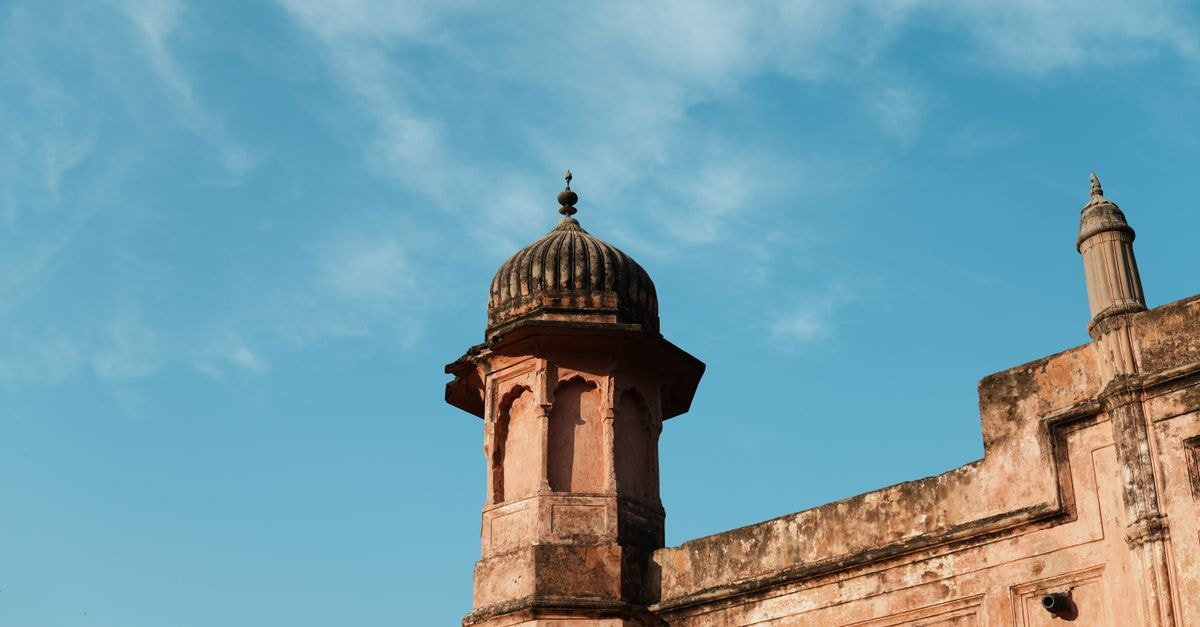
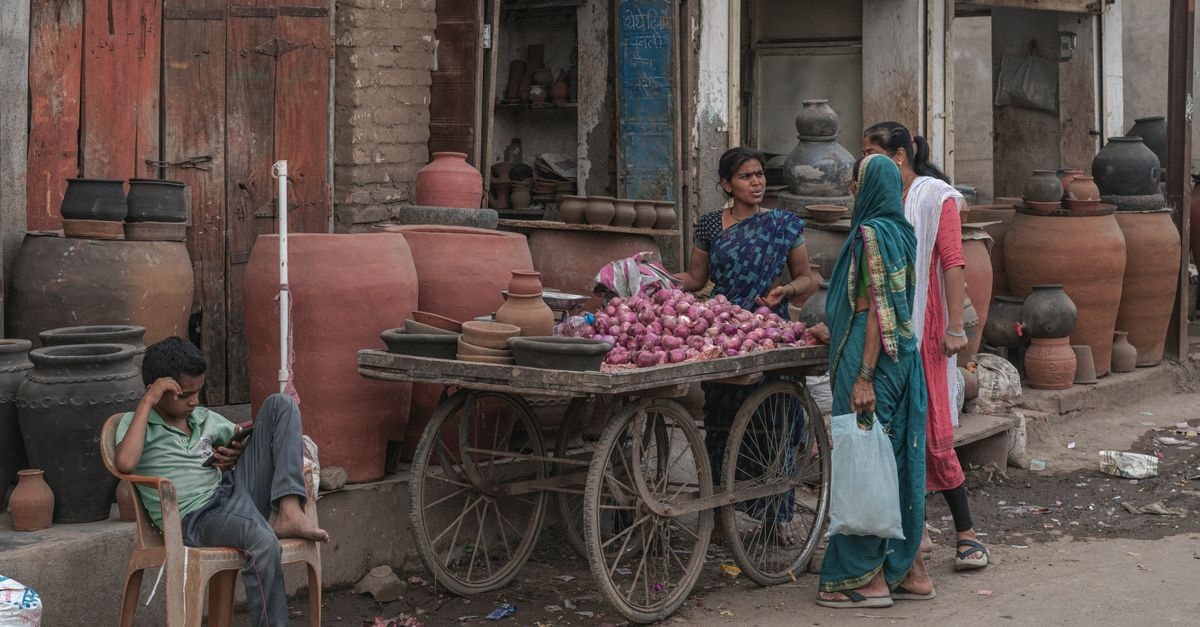
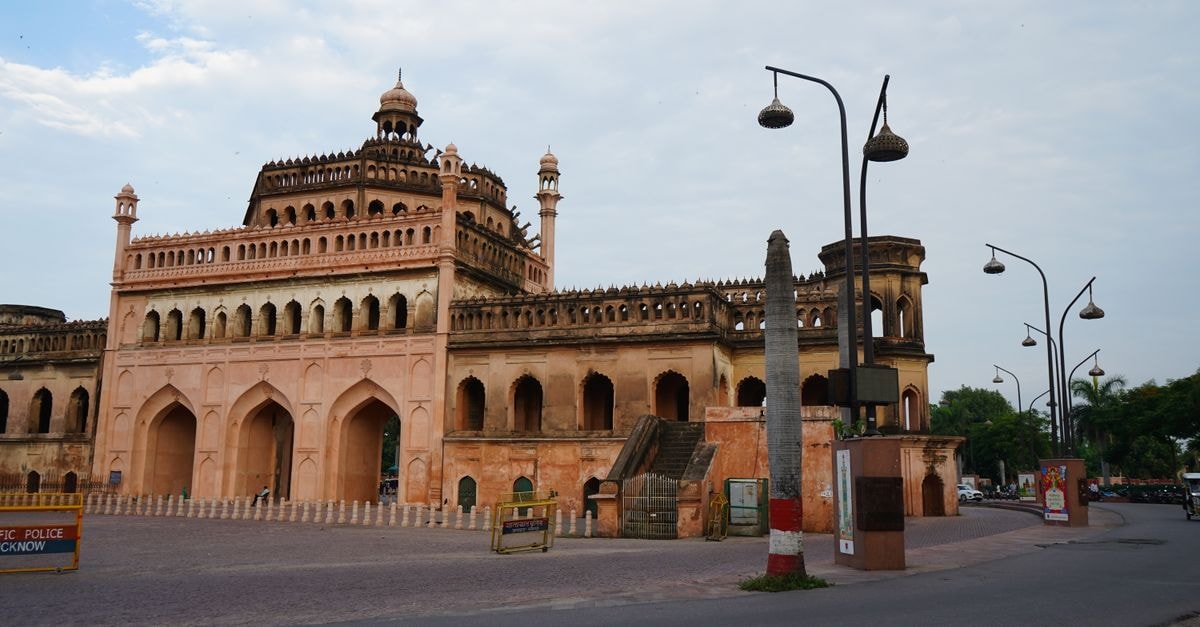
There is a particular kind of hush that settles over Ahmedabad in the early hours, before the city has fully shaken off its sleep. Set along the banks of the Sabarmati river, Ahmedabad (also lovingly called Amdavad) reads as a quiet conversation between history and modern life, a place where old neighborhoods and newer streets share the same light, the same breeze, the same long shadows in the late afternoon. The largest city in Gujarat, it is the kind of destination that rewards unhurried wandering and patient observation. Travelers who arrive expecting only monuments will find something softer as well, a living rhythm shaped by riverside promenades, neighborhood temples, and the everyday choreography of a place that does not perform for visitors.
Weather and seasonal context
Ahmedabad is often described as a perfect amalgamation of history, modernity, and the nuanced spaces in between, and the city’s seasons shape how that balance is felt on the ground. Condé Nast Traveller India frames the experience by noting that the best time to visit Ahmedabad depends both on the seasons and the kind of getaway a traveler is looking for, a useful reminder that there is no single perfect window, only different moods of the same city. Travelers who prefer long walking days and outdoor pauses may want to consider the cooler months, when stepping out between mid-morning and late afternoon can feel more comfortable, while those drawn to the city’s festivals and evening riverfront life may find different periods more atmospheric.
Because conditions shift through the year, planning a visit around a preferred rhythm rather than a fixed ideal can help. Mornings tend to suit heritage walks and riverside time, while the late afternoon often softens into a more forgiving pace. Travelers sensitive to strong afternoon sun can consider shifting their heavier sightseeing into the morning, leaving lighter neighborhood exploration, café time, and casual browsing for later in the day.
Attractions and planning
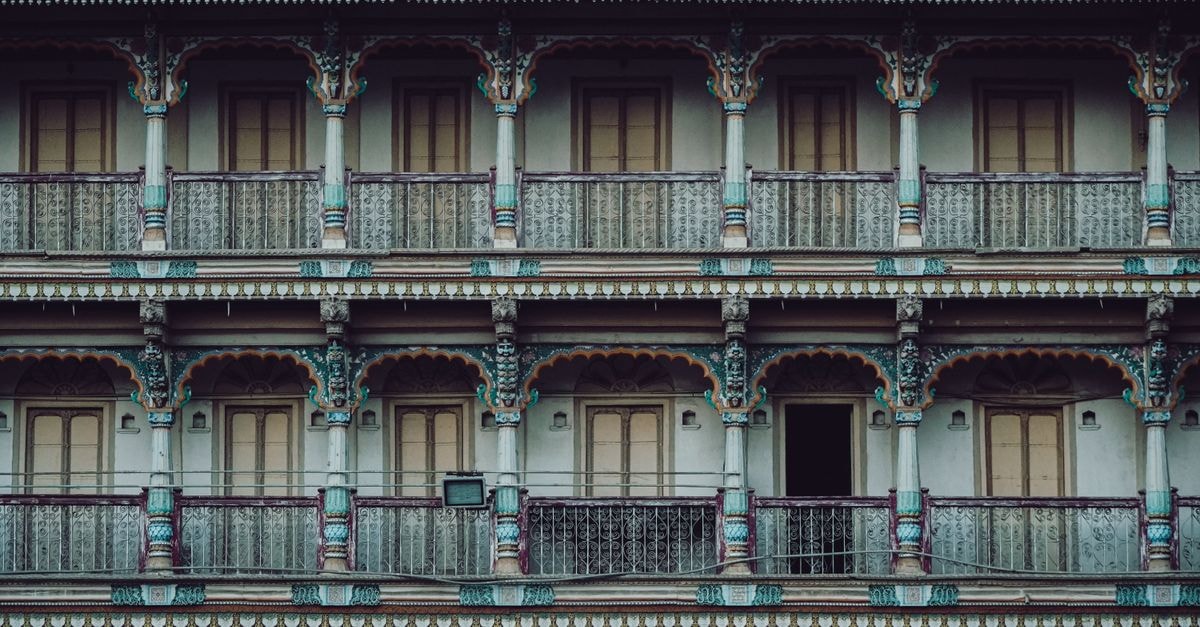
Ahmedabad’s appeal begins with the city itself. As one visitor-facing overview describes, the largest city in Gujarat mixes old and new on the banks of the Sabarmati river, which gives the destination an unusually compact geography for so large a place. The old quarter, with its pol-style neighborhoods, carved wooden balconies, and tightly woven lanes, sits within reach of wider, newer arteries, so it is possible to move from centuries-old streets to contemporary districts in a single unhurried day. The Sabarmati riverfront acts as a natural anchor, a calm line through the city that visitors can use to orient themselves between neighborhoods.
For travelers who enjoy layered history, the city invites the kind of exploration that does not announce itself. Walking through the old lanes, pausing at small shrines and step-wells, and letting the riverfront set the pace between heavier stops can feel like reading the city in chapters rather than highlights. Those who prefer a gentler day can choose a single neighborhood in the morning and the riverfront for sunset, a rhythm that lets the city’s quieter corners speak.
Practical planning benefits from a simple structure. Travelers who want a deep day in the historic core can choose one compact area and explore on foot, while those who prefer variety can alternate between heritage neighborhoods and the river. Visitors who enjoy fewer stairs and flatter routes may want to keep longer walks to the riverfront and the broader avenues, since the historic pols can involve narrower lanes and uneven surfaces. Because the source overview does not list specific opening hours, ticket details, or guided-walk availability, it is worth verifying any scheduled entry, museum hours, or guided heritage walk directly with the operator before relying on a particular time.
A few practical habits help. Carrying a refillable water bottle, stepping out early to use the cooler morning light, and resting through the warmest part of the day will all suit travelers who want to slow down. Travelers who prefer a structured day can choose one heritage theme, like trade history, religious architecture, or riverfront life, and let that thread guide which lanes to walk and which pauses to take.
Food and local context
Food in Ahmedabad naturally opens into wider Indian context that visitors may encounter during their stay. Indian dining culture is famously regional, and India is home to a staggering array of regional cuisines, each with its own unique flavors and traditions, a useful frame for travelers who are tasting their way through the city rather than searching for a single signature dish. Approaching meals as a way to learn about a place, rather than a checklist of famous plates, often leads to richer experiences, from street-side snacks to longer, family-style meals.
It also helps to remember that food in India is rarely just sustenance. Food is more than just sustenance, it is an integral part of rituals, festivals, and social gatherings, and that sensibility often shows up in the way meals are shared, paced, and enjoyed in Ahmedabad. Visitors who travel with that frame in mind tend to find the everyday rhythm more legible, from long, lingering thalis eaten on a steel thali to small plates bought from a window and eaten standing.
A few gentle habits can make mealtimes smoother. Travelers new to Indian dining often enjoy observing local etiquette first, from how a thali is refilled to whether a particular dish is traditionally eaten with the hands, bread, or a spoon. The source material frames this as part of connecting with local culture, not as a rulebook. Diners with dietary preferences may want to ask clearly about ingredients, since regional spice levels, dairy use, and preparation styles vary widely. Because the approved facts describe Indian food culture in general terms rather than naming specific Ahmedabad restaurants, markets, or menus, any particular venue, signature dish, or price point will need to be verified locally.
Choosing what fits the trip
A few tradeoffs tend to shape how Ahmedabad comes together. Travelers who prefer a quieter, more contemplative day may want to lean into the old quarter and the riverfront, two areas that reward unhurried walking and short pauses, while those drawn to a more layered, full day can weave the riverfront together with one heritage neighborhood. Visitors who enjoy regional food culture as part of the trip will find Ahmedabad a natural setting for slow meals and small discoveries, while those who prefer to keep mealtimes simple can treat food as a gentle layer over the day rather than a central plan. The city’s character rewards travelers who let the river set the rhythm and who leave space for a conversation, a longer stop, or a quiet sunset over the Sabarmati.
Before you go
Factual travel conditions can change, and it is always wise to check official channels for the latest on weather, transport, opening hours, and any local guidance before departure.
Share this article
TOOLS FOR THIS PLAN
Make the Ahmedabad plan measurable
Choose a tool only when it answers the next question in your trip. Your values stay in the browser, and each tool offers a route back to this planning context.