A Quiet Gateway into Saurashtra's Past

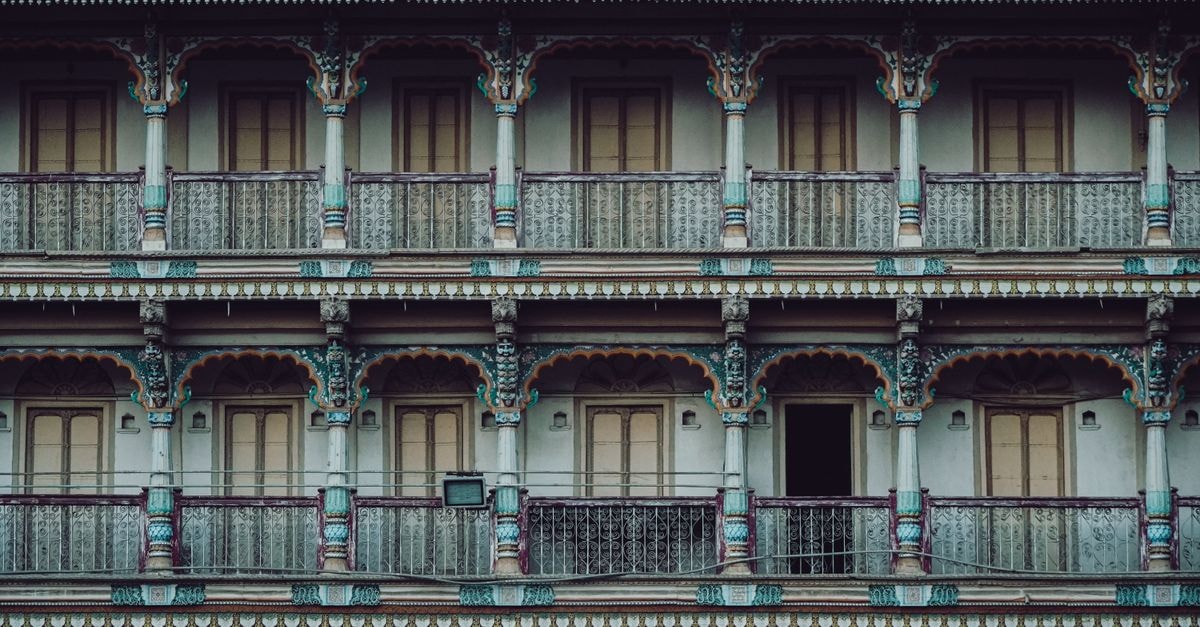
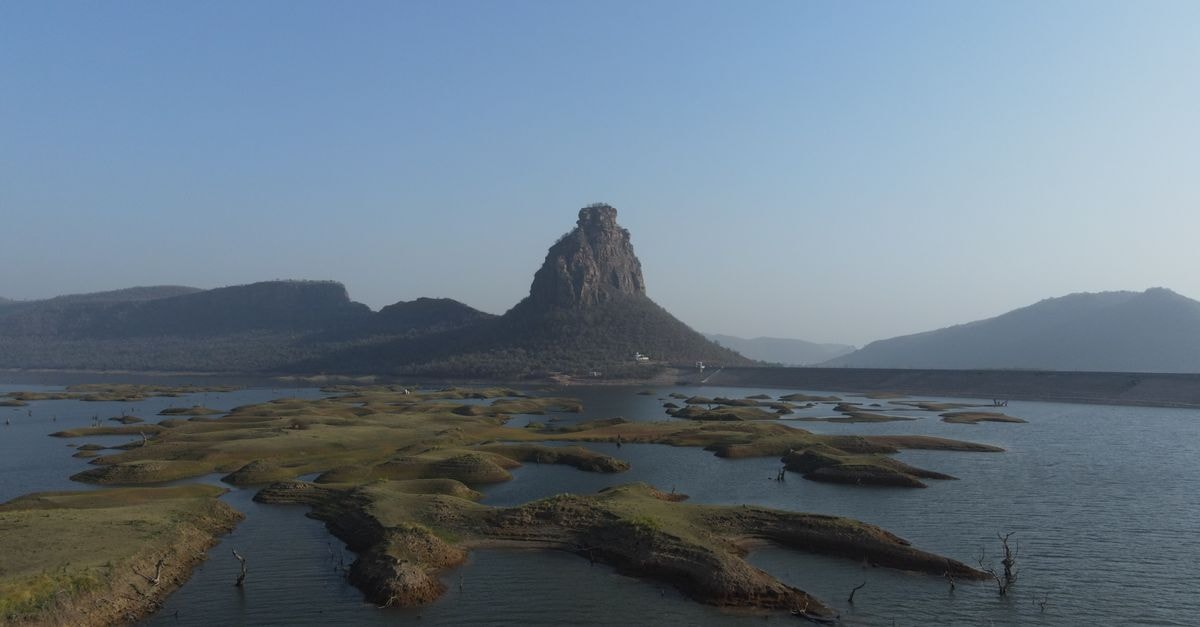
Tucked into the southwestern fold of Gujarat, in the Saurashtra (Kathiawar) region, Junagadh carries the quiet confidence of a city that once mattered on a much larger scale. The district headquarters is more than a dot on a map; it sits where several layers of history overlap, where old stone citadels still catch the evening light and the surrounding landscape folds into forests, hills, and sacred sites [facts F3-1, F3-2]. For travelers who like to slow down and read a place rather than race through it, the city offers an unhurried alternative to Gujarat's better-known stops, and its layered identity rewards a little curiosity.
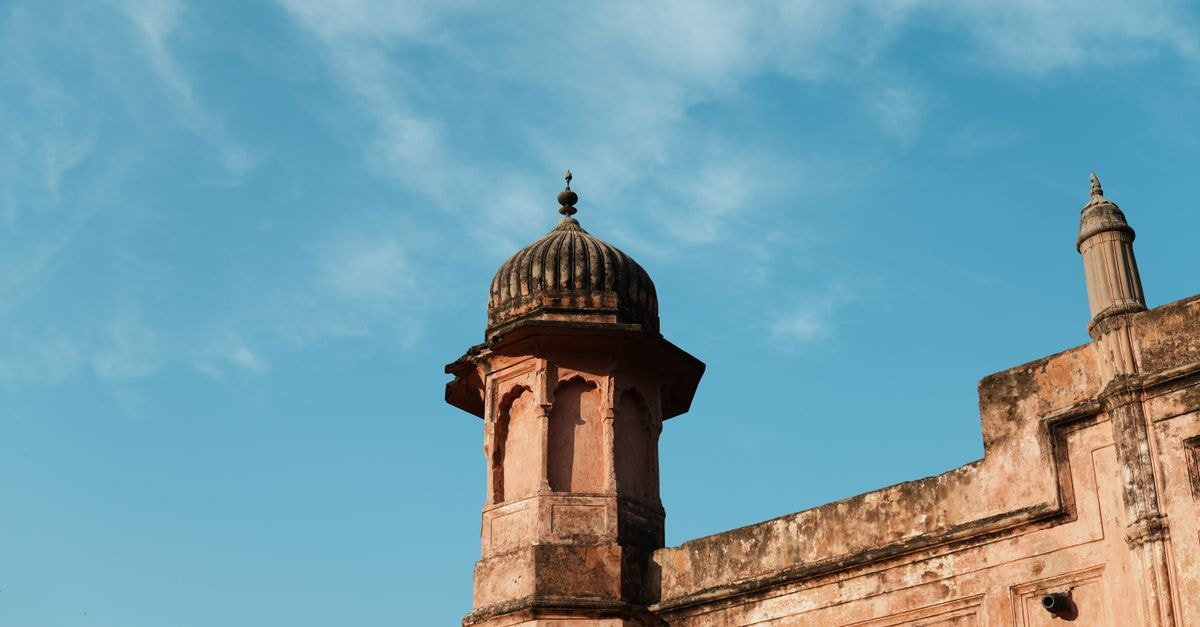
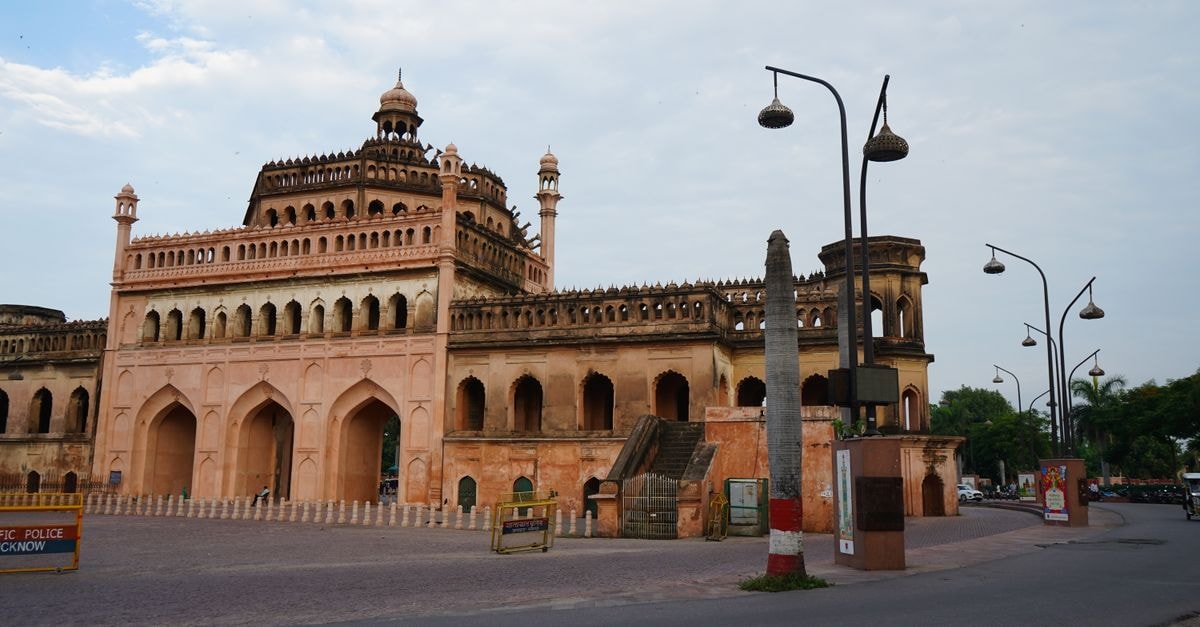
What makes Junagadh distinctive is the way three very different stories share a single address. It was once the capital of a former princely state, and that royal past still shapes the streets, monuments, and ceremonial corners of the old town [fact F2-2]. Today the city reads as a working administrative center too, but it has also grown into a base for heritage walks, wildlife forays into nearby sanctuaries, and engagement with the traditional culture that has long defined this corner of Kathiawar [fact F2-2]. If your travel style leans toward depth over checklist, that combination — royal legacy, natural setting, and living tradition — gives Junagadh its particular texture.
Weather and Seasonal Context
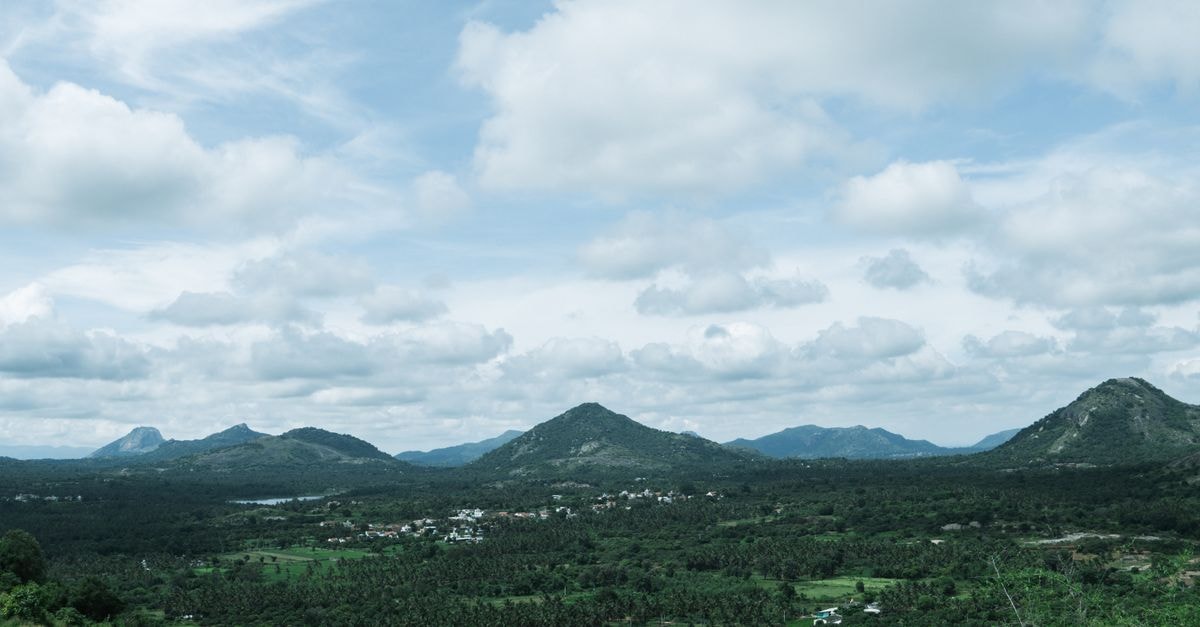
Because this is an evergreen guide, there is no single season to dress for. What is worth knowing is the setting: Junagadh sits in the southwestern part of Gujarat, within the Saurashtra region, and as a district headquarters it anchors a wide swath of country that stretches from arid lowlands into greener hill country around the city itself [fact F3-1]. That geography matters to how the place feels. Urban streets can warm up considerably under direct sun, while any plan that includes higher ground or forested pockets nearby can feel a few degrees cooler, especially in the early morning and after sundown.
A few practical habits tend to serve travelers well in this setting, all framed as gentle suggestions rather than fixed rules. Carry water and plan museum and monument visits for the cooler parts of the day, and treat late afternoons as the best window for walking the older quarters of the city. If you prefer slower pacing, an early start and a long, relaxed lunch can give the climate time to settle before you head out again [supported by facts F3-1, F3-2].
One honest caveat: the approved factual sources for this guide do not provide specific temperatures, so any precise weather figure you read elsewhere should be checked against a live forecast before your trip. Layered, breathable clothing is generally a safer bet than packing for a single temperature, and a light layer for air-conditioned interiors or cooler evenings tends to come in handy regardless of when you arrive [supported by facts F3-1, F3-2].
Getting Around
A practical note on pace: because the city spreads between a denser historic core and wider scenic surroundings, it helps to cluster sights by area rather than zig-zagging across town. Mornings can be given over to the layered history of the princely capital — forts, gates, and old quarters — while afternoons can be reserved for the broader landscapes that draw visitors in the first place [fact F2-2]. Travelers who dislike long days of stair-heavy sightseeing may want to confirm the specific layout of any elevated site before committing to it, since historic forts in this region often involve uneven ground and climbs; a quick local check on access conditions can save energy for the views themselves.
Food and Local Context
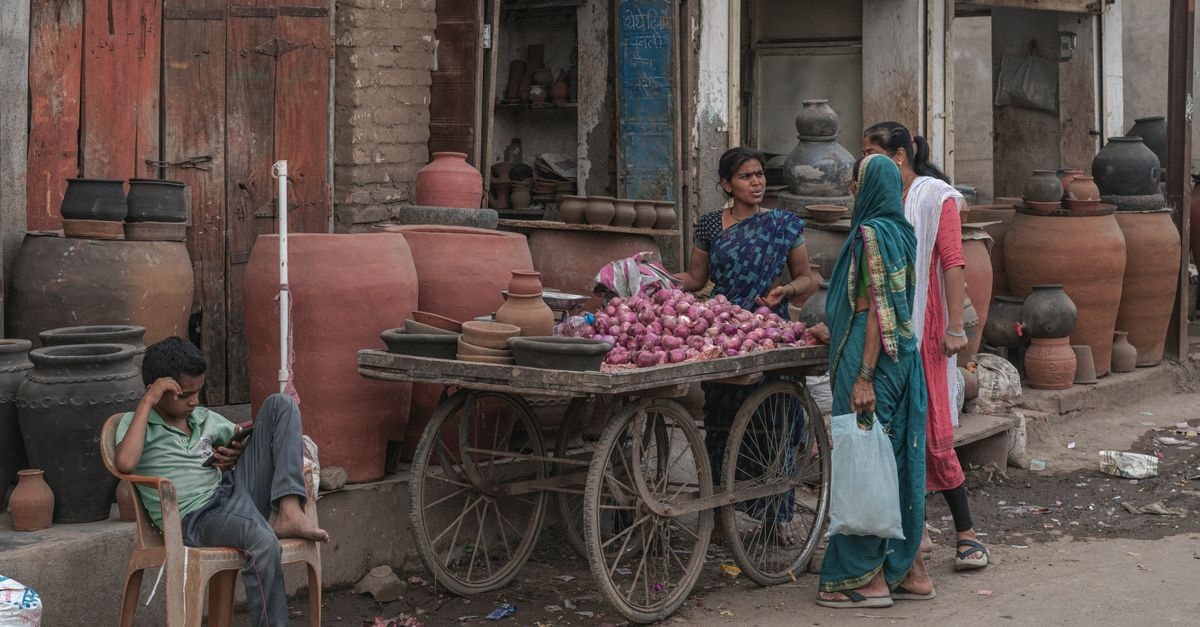
Food in India is rarely just fuel. It is woven into rituals, festivals, and the social fabric of daily life, and sitting down to a shared meal — whether in a family kitchen, a temple eating area, or a simple restaurant — is one of the most direct ways to read a culture [facts F7-1, F7-2]. In a city like Junagadh, where tradition remains visibly alive, that observation matters. Visitors who approach meals with patience, curiosity, and a willingness to eat in the local style tend to walk away with a richer sense of place than those who default to familiar hotel-room dining. Ask what's regional, ask what's seasonal, and let the host or server steer the order; the conversation is part of the meal.
A few general courtesies travel well here: eating with the right hand where appropriate, accepting hospitality when it is offered, and recognizing that certain foods hold ceremonial weight in temple settings and should be treated accordingly. None of these gestures are city-specific to Junagadh — they reflect nationwide Indian food culture that travelers are likely to encounter throughout the country [supported by facts F6-1, F6-2, F7-1, F7-2] — but applying them with care is a small, graceful way to honor the place you are visiting.
Choosing What Fits the Trip
With heritage, wildlife, and traditional culture all on the table, the way you shape a visit depends on what you actually want from Saurashtra. Travelers drawn to royal history, old stone architecture, and slow walking will find the historic core rewarding — it is where the city's identity as the former capital of a princely state is most legible in the streetscape [fact F2-2]. Travelers seeking natural drama, forest landscapes, and protected habitat should weight more of their time toward the city's outer edges, where Junagadh's role as a wildlife tourism base comes into focus [fact F2-2]. If both sides appeal, splitting days between the monuments in the morning and the surrounding landscapes in the afternoon captures the city's full range without feeling rushed [fact F2-1].
A Note on Planning and Verification
This guide is built on durable, evergreen context rather than live conditions, and a few details are worth confirming closer to your trip. Factual travel conditions — including transit options, site access, and local services — can change, and official channels or current local listings are the most reliable sources for any checkable fact before you go. If a specific monument, route, or meal experience matters to your plans, a quick verification before departure helps ensure your visit matches what you read here.
Share this article
TOOLS FOR THIS PLAN
Make the Junagadh plan measurable
Choose a tool only when it answers the next question in your trip. Your values stay in the browser, and each tool offers a route back to this planning context.