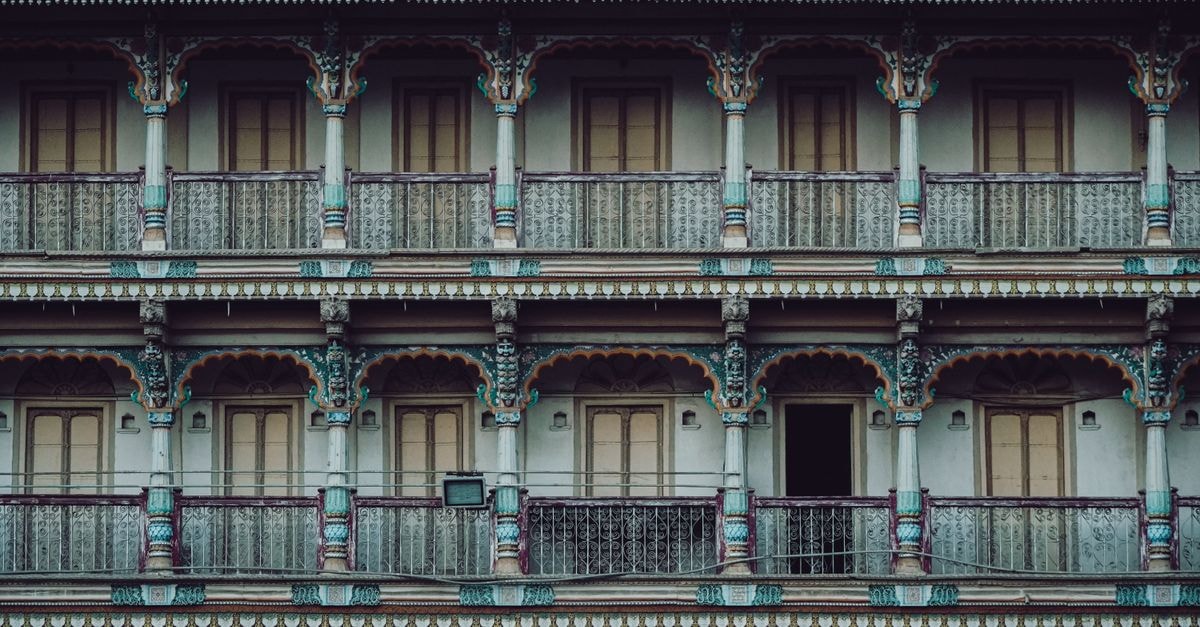
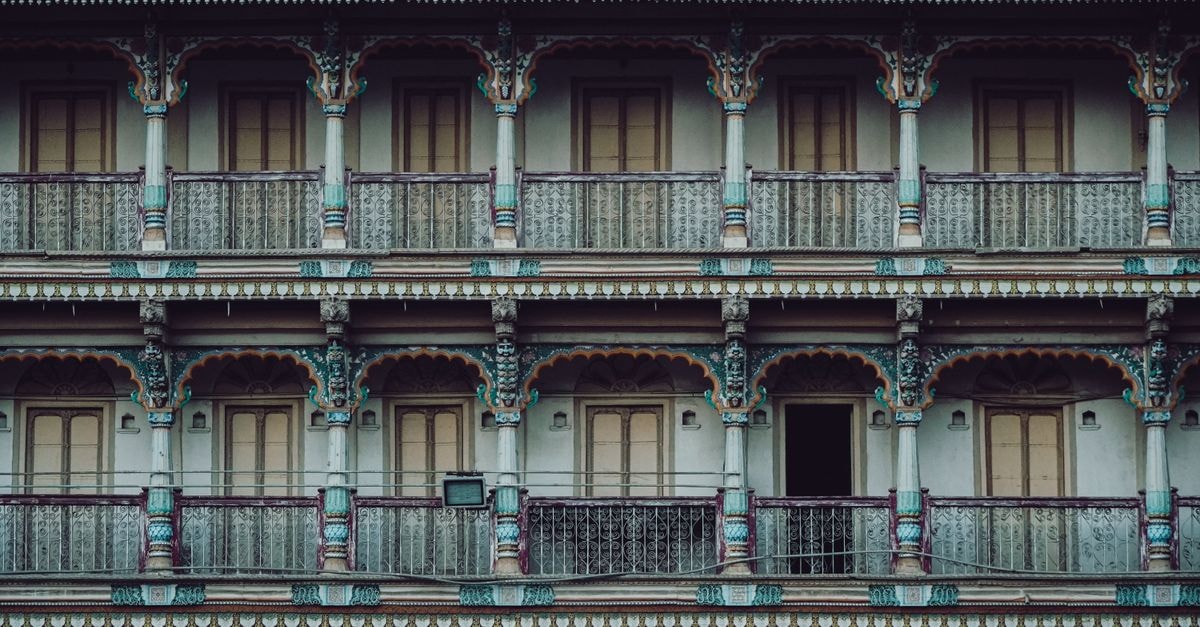
Tucked into the Kolhapur district of western Maharashtra, Ichalkaranji has the unhurried feel of a working town rather than a polished tourist destination. It is best known across India for its power-loom industry, and the rhythm of fabric markets, small workshops and daily commerce tends to set the pace for visitors. For travelers who prefer grounded, lived-in places over polished sightseeing circuits, the reward is a stop that feels close to everyday Maharashtran life. This guide keeps the focus on the practical: how to arrive, where to base yourself, what one named site to look for, and how to settle into the wider Indian food culture you are likely to encounter.

Getting to and around Ichalkaranji
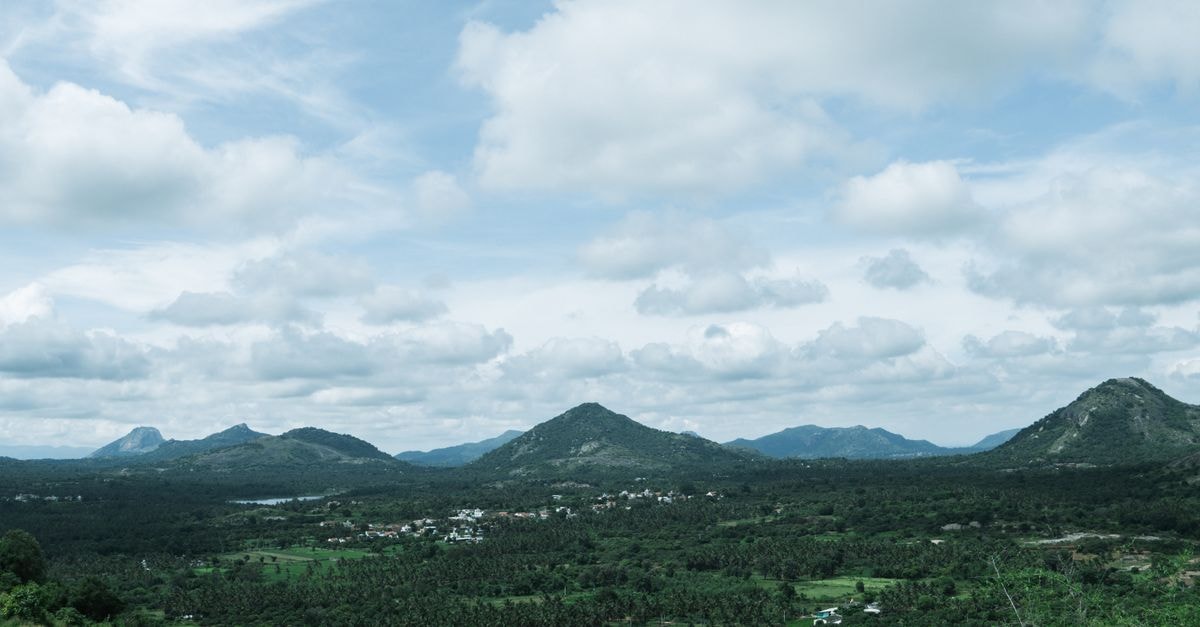
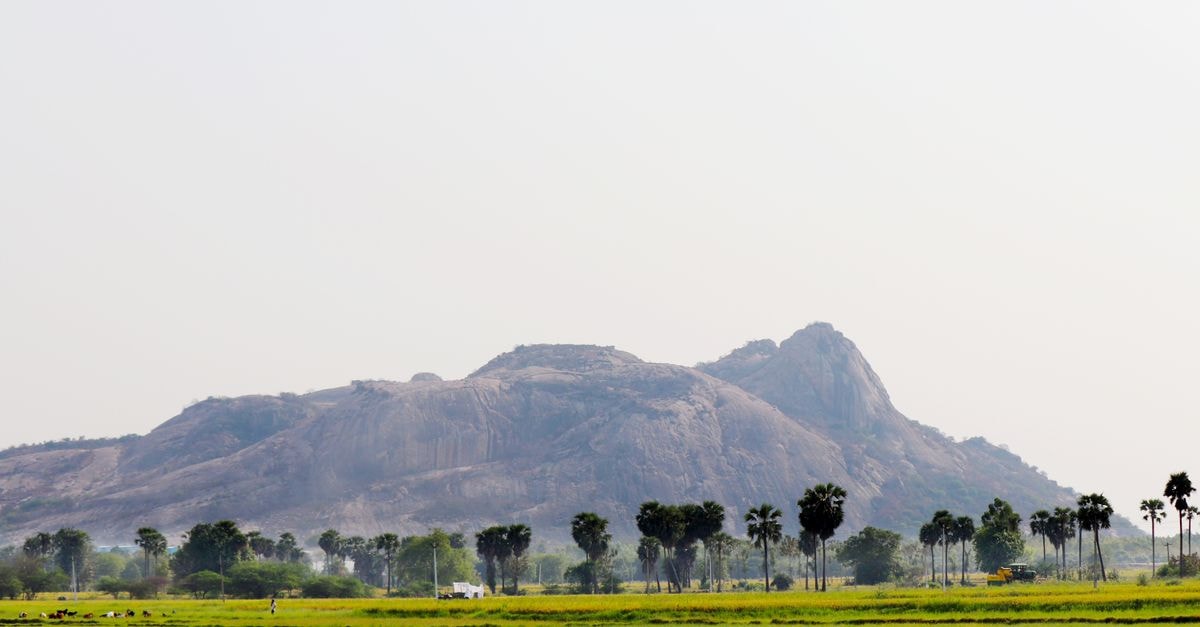
Ichalkaranji sits in a part of Maharashtra framed by clear intercity road links, and the most useful fact for any first-time visitor is that the town is genuinely well connected by road. The route from Belgaum to Ichalkaranji covers roughly 100 km and typically runs along NH 48, with the drive usually taking around two hours, passing through open, scenic landscapes typical of the region. From the other side, Chandgad to Ichalkaranji is described as a 110 km road journey inside the Kolhapur district, generally taking about three hours via state highways through rural landscapes and small towns. Both routes are useful for understanding the geography of the area before you book transport.
For travelers coming from farther afield, indicative options listed for the Mumbai corridor include intercity buses that can take the best part of a working day, overnight trains, and direct taxi options that are quicker but pricier. One indicative comparison shows a Bandra-to-Ichalkaranji bus at roughly eight hours and forty-three minutes in the $16–35 range, while a Dadar-to-Hatkalangda train journey runs about eleven hours and fifty-three minutes in the $7–76 range, and a direct taxi is listed at $239. These are described as indicative one-way figures for one traveler, so they are most useful as a sense of scale rather than as live quotes. If you prefer a single, door-to-door option and are willing to pay for it, a private taxi shortens the journey considerably; if you prefer the cheapest route and do not mind a long overnight train, rail is the obvious pick. Travelers who like scenic driving and stopping along the way may prefer the Belgaum or Chandgad road routes, since both are described as passing through rural landscapes and small towns rather than high-speed corridors.
Within the city itself, the local road network is set up around a busy market and station area. Basing yourself close to that core means quick access to key shopping streets and easier arrivals, while stepping slightly outside that zone can put you in a quieter patch. Some properties in the broader Kolhapur district framing of the city market themselves as more polished stays for special occasions and business travel, so if your trip is a brief business stop you may want to compare options in that category alongside the simpler market-area lodgings.
Where to stay and how to plan your base
The clearest lodging signal in the evidence is a $20–50 per night range for rooms near the market or station, framed as a sensible choice for first-time visitors who want quick access to key shopping streets and easy arrivals. That range is a useful anchor for budget planning rather than a guaranteed live rate. If you prefer a quieter setting and do not mind a short auto or taxi ride into the center, properties slightly farther from the market core may suit you, though any specific quieter property is not named in the available evidence and would need to be checked directly. For travelers visiting for a wedding or family occasion, the wider district framing also points to larger, more service-oriented properties; comparing a market-area stay with one of these more polished options is a reasonable first step.
Attractions and planning
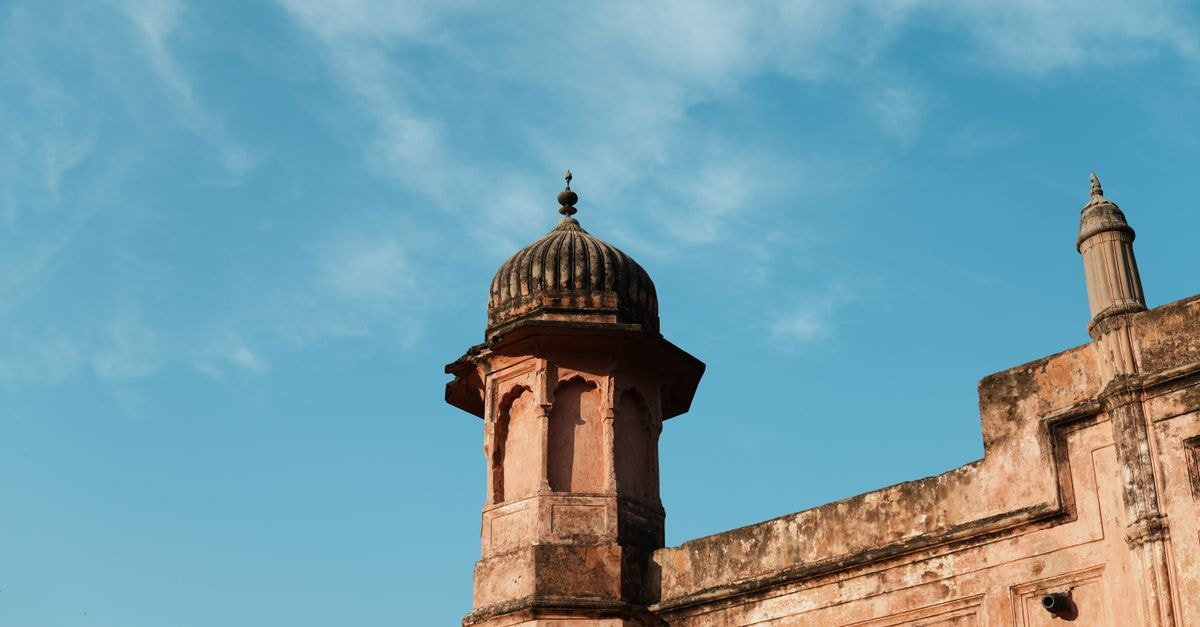
Ichalkaranji is not a checklist kind of destination, and the attractions evidence for the city itself is narrow but specific. One named religious site worth seeking out is Shree Ram Mandir, which is highlighted as a site that draws attention in the city. Beyond that single named point, most of the visitor experience is woven into the market streets, the textile trade, and the everyday rhythm of the town. Travelers who prefer slow mornings, walks through working neighborhoods, and one or two specific stops rather than a packed itinerary will probably find Ichalkaranji fits their pace. If you prefer a city with multiple grand monuments, museums, and curated experiences, you may want to reconsider how you frame this stop and treat it as a small-town day or overnight within a broader Maharashtra route rather than a standalone sightseeing trip.
Because the attractions evidence is limited to one named site, the most honest planning approach is to check current opening hours and access details for Shree Ram Mandir before you go, especially around festival periods when timings can shift. A short verification question worth asking locally is simply whether the temple is open to visitors during your planned hours, since local access conditions can change. Beyond that, the most rewarding use of time is often a slow walk through the textile markets, where the city's identity is most visible.
Food and local context
Ichalkaranji itself does not have a city-specific dish or signature menu item supported by the available evidence, so it is more useful to think about the wider Indian food culture that visitors will encounter while in the city. India as a whole is repeatedly described as a land of striking regional diversity, where languages, landscapes and food cultures vary significantly from one state to another. Food in India is framed not just as sustenance but as an integral part of rituals, festivals, and social gatherings, which is useful context for visitors because it explains why mealtimes in small-town India can feel more like a shared event than a quick refuel. Understanding these traditions, even at a basic level, is presented as a way for travelers to connect more genuinely with local culture during their trip.
Fitting Ichalkaranji into your trip
Because the town is small and the named sightseeing is limited, the way you frame the stop matters more than the number of attractions you pack in. Travelers who enjoy working towns, textile traditions, and a single heritage site like Shree Ram Mandir may find Ichalkaranji a rewarding pause, especially if they are already moving through the Kolhapur district area. The Belgaum and Chandgad road routes both describe scenic rural landscapes, so a road trip that treats Ichalkaranji as a stop within a longer Maharashtra or Karnataka drive tends to suit the place better than a dedicated standalone visit. Travelers who want a city with multiple grand sights, museums or curated experiences may prefer to treat this as a brief overnight or a day stop and keep their main sightseeing energy for larger centers nearby. In every case, checking current temple access, transport timings and room rates directly with providers before you go is the most reliable way to plan, since local conditions can change. Treat this guide as a starting point for your own research rather than a final itinerary, and confirm the practical details that matter most to your trip before departure.
Prices, opening hours, schedules, reservation rules, and local conditions can change; verify them through official channels before departure.
Share this article
TOOLS FOR THIS PLAN
Make the Ichalkaranji plan measurable
Choose a tool only when it answers the next question in your trip. Your values stay in the browser, and each tool offers a route back to this planning context.