A quiet coastal welcome

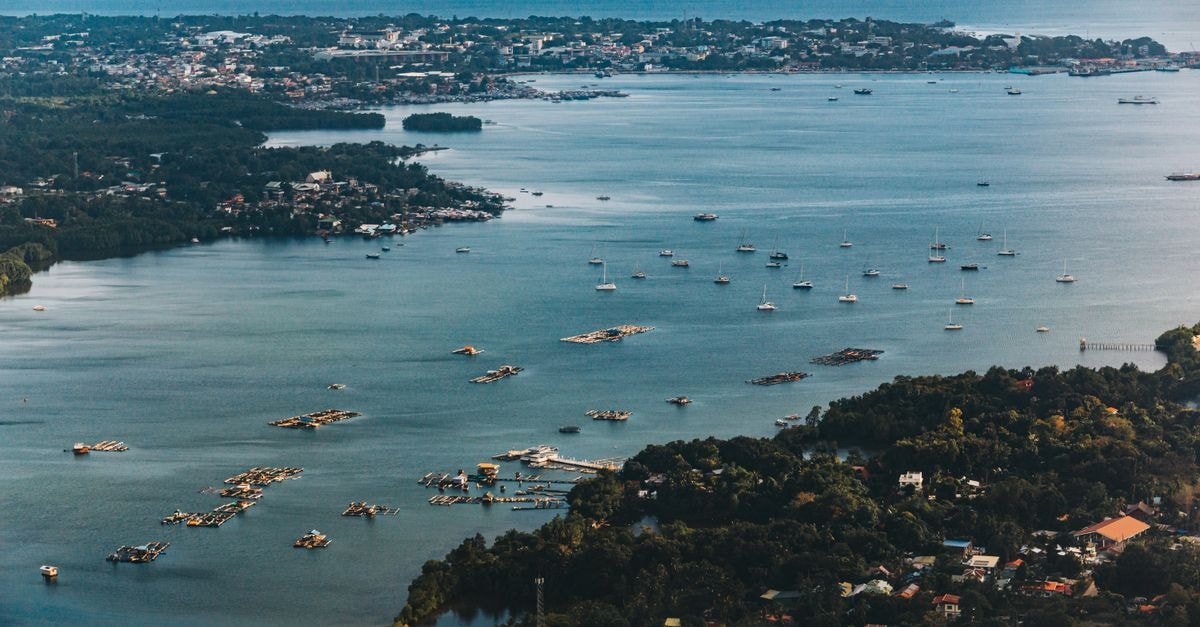
Alotau sits on the southeastern edge of Papua New Guinea as the capital of Milne Bay Province, and it wears that role gently. The town has the feel of a regional hub rather than a busy capital, and visitors often describe the pace as unhurried from the first afternoon onward. As a gateway to the wider Milne Bay region, it is where most travellers begin their time in this part of the country, and it offers a softer landing than larger Melanesian centres further west.
The mood of the town is shaped by its setting on the bay, with a skyline that stays low and a shoreline that draws attention outward. Even a short stroll tends to invite conversation, and there is a sense that people here are accustomed to visitors passing through, but not so many that the town has lost its everyday character. This guide leans into that slowness, focusing on the practical foundations that make a thoughtful visit possible: how to arrive, what the weather feels like over the long term, and where daily local life is easiest to observe.
Weather and seasonal context
Alotau sits in a tropical part of Papua New Guinea, and the weather is best understood through long-term averages rather than any single week. Climate summaries for the town, drawn from sources such as CRU at the University of East Anglia, the Met Office, and the Netherlands Meteorological Institute, are published as monthly reference figures, and they are the most reliable way to set expectations before a trip. Those long-term averages are the kind of information that lets you picture the year as a whole, with warmer and wetter stretches shifting gradually rather than arriving as sharp seasonal breaks. A dedicated Alotau climate page ties these monthly figures together into a year-round overview, so visitors can read the seasons as a continuous pattern rather than a collection of isolated snapshots.
For visitors, this means a few simple habits tend to serve well. Lightweight layers that breathe, a reliable rain layer, and shoes that can handle wet pavement are useful in any month, and the rhythm of the day often rewards an early start before the heaviest showers and a slower middle of the day. Because the long-term pattern is what the published climate guides reflect, it is worth checking an updated Alotau climate page closer to travel for the freshest snapshot, while keeping broader expectations anchored in those averages.
Getting around
Alotau is reachable by air through its own airport, Gurney, which is named after a World War II fighter pilot and serves as the main point of entry for most travellers heading into Milne Bay Province. Daily flights connect Gurney with Port Moresby, operated by Air Niugini and PNG Air, which makes the town a fairly easy add-on to a wider Papua New Guinea itinerary rather than a remote detour. The same daily link is also what makes Alotau function as the region's main transport and tourism hub.
Once on the ground, the town itself is compact. Walking tends to be the most rewarding way to move through the centre, both because distances are manageable and because the friendliness of the local people means that a slower pace often leads to small, unscripted exchanges that define a visit here. For anything that sits further along the bay or up into the surrounding hills, the usual regional transport options apply, and asking locally about the day’s options is part of the rhythm rather than an obstacle. The short version: arrive by air at Gurney, settle in close to the centre, and let your feet do the early exploring.
Food and local context
One of the most enjoyable ways to read Alotau is through its everyday gathering places, and the central market is a natural starting point. The Alotau Market is described as a bustling hub where visitors can experience a vibrant side of local life, and it functions as both a working food market and a social meeting point. Mornings tend to be the liveliest time, with vendors arranging produce, fish, and other staples, and the air carrying the easy noise of a market that is more about routine than ceremony.
Beyond the market, Papua New Guinea has a wider food culture that visitors in Alotau will encounter in some form, with root crops, fresh seafood, tropical fruit, and coconut-based flavours appearing in everyday meals across the country. That national context shows up here in simple, unpretentious ways: shared plates, fresh ingredients, and a preference for cooking that lets the produce speak for itself. Eating in Alotau is less about a list of named venues and more about leaning into the everyday settings, asking what is fresh, and being open to whatever the day offers. A market visit, a casual meal from a local cook, and a slow afternoon coffee tend to capture the food picture more honestly than any planned tasting menu, and local markets in Alotau also offer a glimpse into the traditional lifestyle of the people, complementing the cultural celebrations found in the broader area.
A short note on pace and expectations
Alotau rewards a particular kind of traveller: the one who is comfortable with fewer scheduled activities and more open time. The town is small enough that the main landmarks do not demand a packed agenda, and the surrounding province is large enough that it always feels like there is more to discover just beyond the edge of town. Visitors who arrive with a rough idea of how they want their days to feel rather than a strict checklist often find the visit easier and more rewarding.
It also helps to keep expectations flexible. Papua New Guinea is a country where conditions on the ground can shift, and Alotau, as a regional hub, reflects that honestly. Transport runs on its own rhythm, weather can reshape a day, and services may operate more simply than in larger cities. Accepting that from the outset turns small uncertainties into part of the texture of the trip rather than sources of friction.
Planning notes
A few practical anchors are worth carrying into any planning conversation. Alotau is the capital of Milne Bay Province and the region's main transport and tourism hub, which means most of the infrastructure a visitor needs is concentrated in and around the town centre. Flights into Gurney connect with Port Moresby on a daily basis, and Alotau itself is walkable for most short stays.
For weather planning, the published monthly averages for Alotau are the most durable reference, and they are drawn from recognised meteorological datasets rather than single-year observations. Food experiences are best approached through the central market and the everyday settings where locals eat, rather than a fixed list of venues. And because conditions can change, it is always wise to confirm current details through official channels, local accommodation, or a registered tour operator before relying on any specific arrangement.
Travel conditions evolve, schedules shift, and on-the-ground details are best confirmed close to departure through official airline, government, and local accommodation sources. This guide is a starting frame, not a final plan.
Verification note
The factual points in this guide are drawn from the approved source ledger: long-term climate references for Alotau, transport notes about Gurney Airport and daily Port Moresby connections, and descriptions of Alotau Market as a local gathering place. Where a detail would require a live check, such as a specific timetable or current price, readers are advised to confirm with the relevant operator before acting on it.
Share this article
TOOLS FOR THIS PLAN
Make the Alotau plan measurable
Choose a tool only when it answers the next question in your trip. Your values stay in the browser, and each tool offers a route back to this planning context.