A first impression of Lae

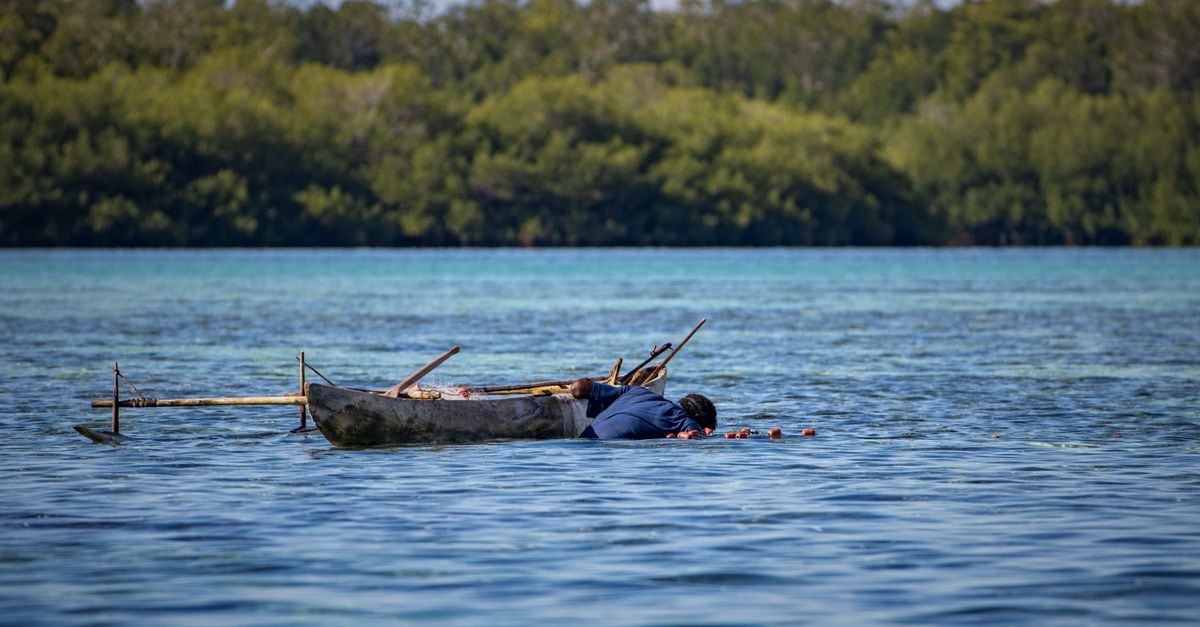
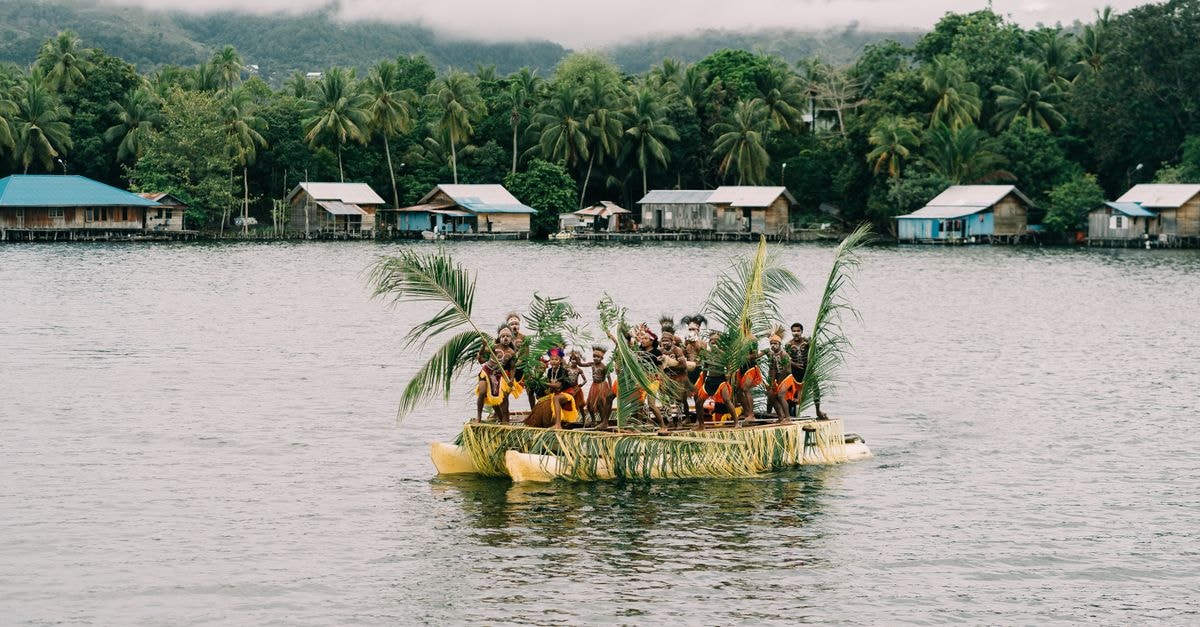
Lae arrives with a bit of a surprise factor, and that is part of its appeal. It is Papua New Guinea's second-largest city, and the official provincial description frames it as a true melting pot of the country's cultural diversity, where influences from the islands and the highlands meet along the Huon Gulf. For visitors, that mix translates into a port city that feels less like a single-note destination and more like a doorway into many parts of the country at once.
If you are the kind of traveller who enjoys places with working harbours, industrial rhythms and cultural cross-currents rather than polished resort facades, Lae may suit you well. It also functions as a base for reaching wider Morobe Province, so consider it the kind of city where you slow your pace, pay attention to your surroundings and use it as an anchor for the region.
Weather and seasonal context
Lae sits on the edge of the Huon Gulf, so conditions can feel humid and tropical through much of the year, and the surrounding province moves from lowland coast into highland terrain that can feel noticeably cooler as elevation climbs.
Getting around and where to stay
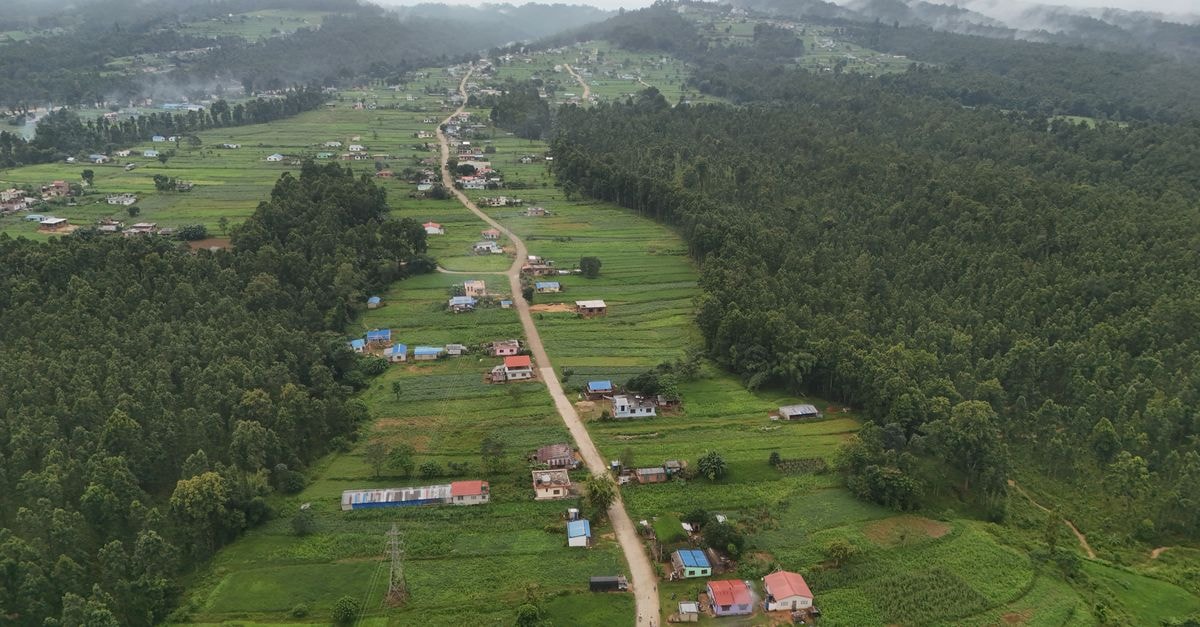
Lae's role as the agricultural and industrial centre of Morobe Province shapes how visitors move through it. The city is set up around its port and commerce, so many of the practical amenities a traveller needs, including hotels, sit close to the main arteries rather than scattered across a wide urban footprint. That can make day-to-day logistics feel manageable once you arrive.
A useful anchor for planning is the Huon Gulf Hotel & Apartments in Lae, which is positioned as a gateway for visitors who want a base in the city while exploring Papua New Guinea more broadly. The hotel name echoes the Huon Gulf that defines Lae's coastline, and its description suggests a place where comfort and a sense of local context meet, which may appeal to travellers who prefer staying in one well-located property rather than moving around frequently.
For evenings, Lae has a small but documented nightlife thread. Yumi Bar is described as a spot where local culture meets refreshing drinks in a lively atmosphere, which gives visitors a simple way to experience an after-dark side of the city without venturing far. If you prefer a quieter evening, consider staying closer to your hotel rather than heading out late; if you want to feel the city's social energy, a single evening stop at a venue like this can offer a useful counterpoint to daytime sightseeing.
Because the approved sources do not give specific transport schedules, fares, road conditions or inter-city connections, leave those details to be confirmed through current local information before you travel, and treat any general guide framing as a starting point for planning rather than a finished transport plan.
Attractions and planning
Lae is best understood as a city whose attractions span both cultural depth and everyday urban texture. The province's official travel framing highlights the diversity you can encounter in a relatively compact setting, and that diversity carries through into what visitors actually do here.
For visitors with an interest in history and culture, the Papua New Guinea National Museum and Art Gallery is a standout. The approved source flags it as a must for history enthusiasts, and it gives travellers a way to ground the rest of their time in Lae in the wider story of the country. If your travel preference leans toward understanding a destination through its collections and stories rather than only through scenery, this is the kind of stop where you may want to slow down and give it proper time rather than rushing through.
Beyond that, the city and its surrounds offer enough texture for several days of unhurried exploration rather than a single sweep. The provincial framing of Lae as a melting pot of cultural diversity is a useful lens for planning: instead of treating the city as a checklist, consider choosing a few angles that genuinely interest you, such as port-side walks, cultural stops and conversations with people you meet along the way, and letting the rest of the city unfold around those.
Choosing what fits your trip
A few supported tradeoffs can help shape how you approach Lae. If you enjoy cities that function as gateways to a region rather than as self-contained attractions, Lae's role as the hub for agricultural and industrial activity in Morobe Province, and as a base for the province's wider cultural mix, may be exactly the appeal you are looking for. If you prefer destinations with a heavy roster of standalone blockbuster sights, you may want to recalibrate expectations and treat Lae as part of a broader PNG journey rather than as a single-stop trip.
For history-minded visitors, the museum and art gallery anchor the cultural side of the trip, while the broader city offers a working port atmosphere that gives context to how Papua New Guinea operates day to day. For travellers who value a comfortable base from which to explore, a centrally located hotel such as the Huon Gulf Hotel can simplify logistics, while a single evening at a local bar can offer a window into the city's social rhythm without requiring a long night out.
A final verification note
Factual travel conditions can change, and details such as transport connections, opening hours and local services should be confirmed through official channels and current local information before departure. Treat this guide as a durable framework for understanding Lae rather than a substitute for up-to-date confirmation once you are closer to your trip.
Share this article
TOOLS FOR THIS PLAN
Make the Lae plan measurable
Choose a tool only when it answers the next question in your trip. Your values stay in the browser, and each tool offers a route back to this planning context.