A first look at Ananindeua

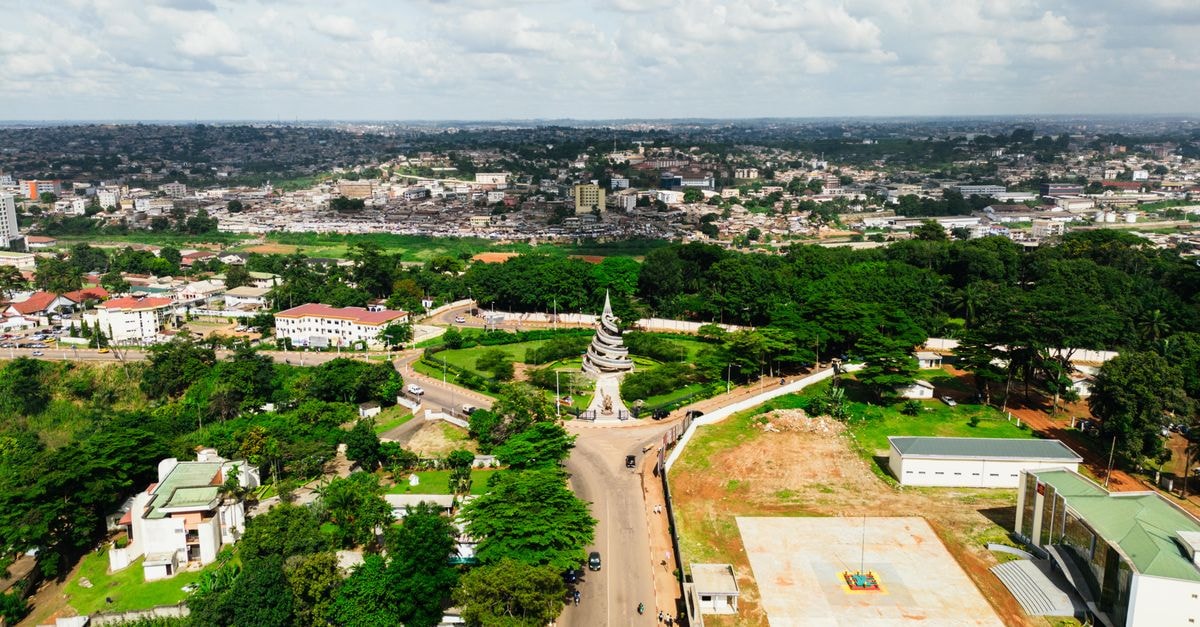
There is something quietly appealing about a city that sits in the shadow of a regional capital and still holds its own rhythm. Ananindeua, in the state of Pará, sits in the heart of the Brazilian Amazon and reads, even from a distance, as a place where everyday life and wild nature are never very far apart. It is described as a dynamic and fast-growing urban center, and as the second most populous city in Pará, it carries that blend of industrial energy and proximity to exotic nature that often surprises first-time visitors to the region.
The city is also framed by its sources as a place with rich cultural heritage and vibrant local traditions, a useful reminder for travelers who assume the Amazon is only about rainforests and river journeys. Ananindeua is part of the metropolitan belt around Belém, the state capital, which means it tends to be approached as a complement to a wider Pará itinerary rather than a standalone escape. That positioning can work in a visitor's favor: the practical infrastructure of a major Brazilian region is close at hand, while the atmosphere of a smaller, distinctly Amazonian city lingers.
If you are mapping out what to expect before you arrive, think of Ananindeua less as a checklist of landmarks and more as a window into how urban life and Amazonian character meet in the north of Brazil. The sections below look at the weather and seasonal feel of the region, how to move around and where to look for guidance, and the role of the municipal tourism framework that supports visitors to the city.
Weather and seasonal context
The same sources also describe Ananindeua as the second most populous city in Pará and highlight its proximity to nature. That pairing matters for how the weather feels on the ground. Even when the temperature does not change dramatically from one stretch to the next, the combination of humidity, cloud cover and sudden showers tends to shape the day in subtle ways. Walks can feel slower, outdoor stops can call for patience, and a flexible pace is usually the more comfortable choice.
Because the available guidance frames the city in evergreen terms rather than month by month, it makes more sense to plan around the general Amazon climate than around a specific calendar window. Lightweight layers, a reliable umbrella and shoes that handle wet pavement are practical choices in almost any season. If you have a packed itinerary of outdoor stops, building in buffer time between activities will generally feel more natural than trying to race the weather. The seasonal feel of the city is less about dramatic shifts and more about learning to move with the rhythm of the Amazon sky.
Getting around and finding local guidance
Moving through Ananindeua is best understood as part of the wider Belém metropolitan experience. The sources position the city as a place people visit without straying far from the Pará capital, which is a helpful clue: most travelers will arrive via the regional transport network that serves Belém and then make their way into Ananindeua from there. That said, the approved guidance does not lay out specific bus routes, ride-hailing details or driving directions, so it is wise to confirm current local transport options on arrival rather than rely on a fixed plan from home.
It is worth pausing on one common travel assumption: that smaller Amazonian cities are hard to reach or poorly served. In Ananindeua's case, the available evidence points in the other direction, describing it as a fast-growing urban center with cultural weight and a recognized municipal tourism framework. The practical takeaway is that planning is less about overcoming distance and more about choosing how to spend your time once you are there.
Leisure attractions and the municipal tourism framework
Among the leisure attractions mentioned for the city is Balneário Isaac, cited in local coverage as one of the points of interest that draws visitors to Ananindeua. The approved evidence does not list a wider catalog of signature sights, which fits the city's profile as a complement to a Belém-based Pará itinerary rather than a destination built around a single headline attraction.
Behind the visitor-facing experience sits a formal municipal structure. The Prefeitura Municipal de Ananindeua oversees the city administration, and the Secretaria Municipal de Lazer e Turismo, often referred to as SELTUR, is the local secretariat responsible for leisure and tourism matters. For travelers, this means there is a defined municipal point of contact for current information on attractions, events and local services, which is worth keeping in mind when planning a visit to a fast-growing Amazon-edge city like this one.
A final note before you go
Ananindeua offers a particular kind of travel experience, one shaped by Amazonian climate, metropolitan convenience and a city that is still growing into its identity. The most useful preparation is light: understand that you are visiting a warm, humid, rain-friendly part of Brazil, lean on the Prefeitura Municipal de Ananindeua and the Secretaria Municipal de Lazer e Turismo for current local information, and approach the city's leisure offerings as a complement to a wider Pará visit rather than a standalone checklist.
Travel conditions, opening hours and local services can change without notice, especially in fast-growing cities like this one. Treat the guidance above as a starting point, confirm details through official channels closer to your trip, and allow room in your plans for the easy, unhurried pace that an Amazon-edge city tends to reward.
Share this article
TOOLS FOR THIS PLAN
Make the Ananindeua plan measurable
Choose a tool only when it answers the next question in your trip. Your values stay in the browser, and each tool offers a route back to this planning context.