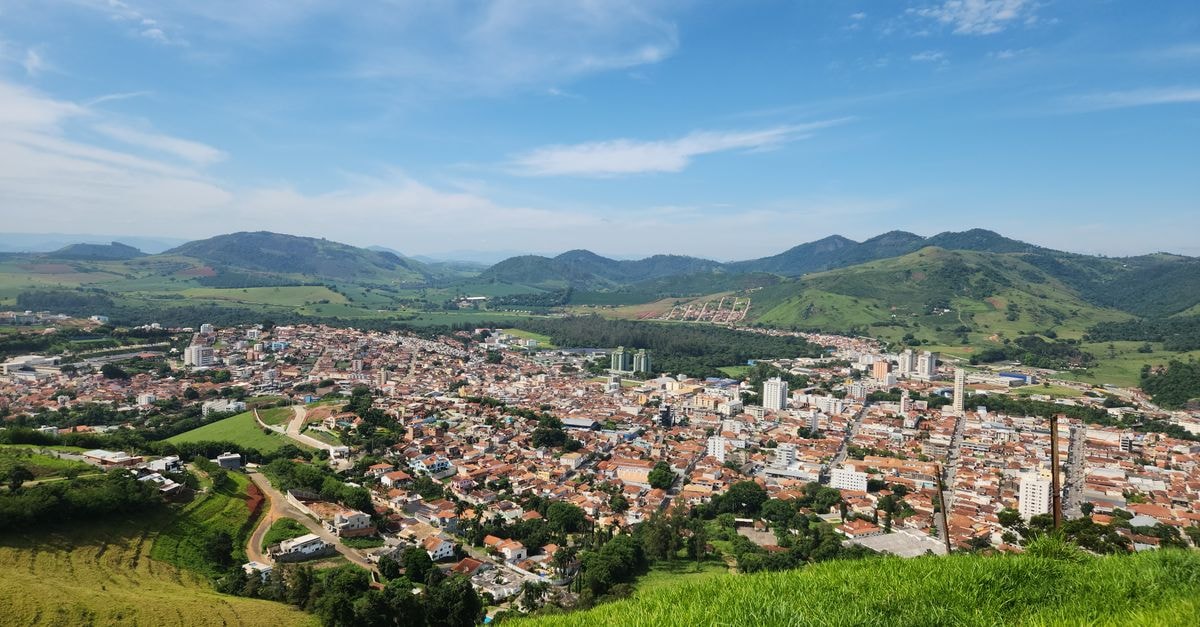
Anápolis at a Glance

There is a particular kind of pleasure in arriving somewhere that isn't trying to be a postcard. Anápolis is exactly that kind of place. Set in the state of Goiás in central Brazil, it sits between two much better-known cities — Brasília to the north and Goiânia to the south — and has long carried the label of an industrial and logistics hub rather than a tourist destination. For travelers who like the texture of a working Brazilian city, where the economy hums along the highway and the daily routine is the main event, that positioning is actually the appeal.
You won't find a packaged list of headline attractions or a queue of tour buses waiting at a central plaza. Instead, you'll find a city whose identity is built on its strategic highway position, its pharmaceutical and manufacturing employers, and the layered history of rail, faith, and migration that gave it shape. Think of Anápolis as a place to observe, walk through, and learn from — a stop that rewards travelers who already enjoy getting beneath the surface of a country.
Weather and Seasonal Context
Because direct, current-condition weather data is not part of this guide's approved evidence, the goal here is to frame Anápolis through its geographic character rather than to forecast any specific day. What the city-anchored facts confirm is its placement in the state of Goiás, in the heart of central Brazil, where Anápolis is described as a dynamic and energetic city and as the third-largest city in its region. The practical advice is to plan a slow midday pace — a long lunch, a shaded break, an indoor stop — and save walks, markets, and open-air exploring for the cooler parts of the day. For real-time conditions, check a current source before departure; this guide deliberately avoids fabricating climate claims not supported by its evidence base.
Getting Around and the Lay of the Land
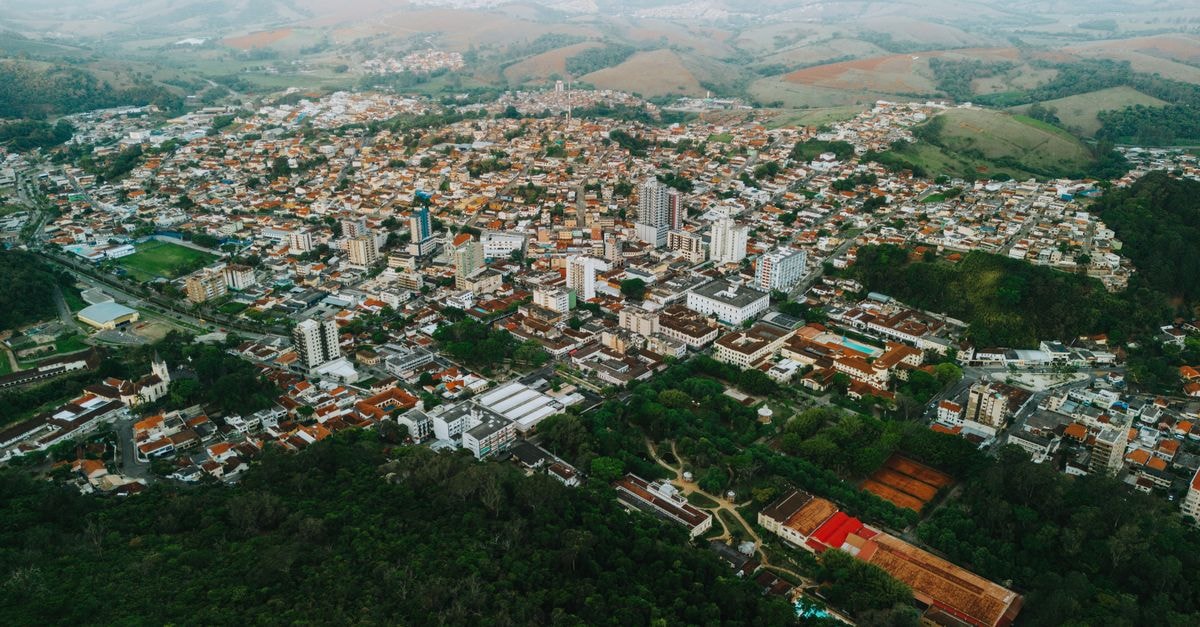
Anápolis's identity is inseparable from movement. The city grew up alongside the railway and then matured along the highway that connects Brasília and Goiânia, and that long history of passage still defines how it feels today. Approved local reporting describes Anápolis as a place that "nasceu em torno da fé, cresceu ao lado dos trilhos e prosperou com o trabalho de pessoas que encontraram na cidade uma oportunidade de recomeçar" — born around faith, grew beside the rails, and prospered through the work of people who found a chance to start over. That origin story is visible in the urban texture: a city organized around transport lines, with working-class roots, religious landmarks, and a steady flow of goods and people moving through.
For travelers, this means a few practical things. The city is structured around its road connections, so navigating by car, taxi, or app-based ride is straightforward. The official Goiás tourism observatory has inventoried Anápolis as part of its tourism offering, which signals that there is institutional interest in helping visitors orient themselves, even though the city is not pitched as a mass-tourism stop. If you want a deeper sense of how the city came together, look for the rail, faith, and migration themes that local reporting highlights — they're woven into the streets themselves, not packaged into a museum.
Because this guide avoids inferring transit timetables, ticket prices, or specific schedules from general sources, the best move is to confirm current transport options through the city of Anápolis or the Goiás state tourism channels before you travel.
Food and Everyday Eating
Anápolis does not have a documented city-specific signature cuisine in this guide's approved evidence, so it's more honest to talk about what visitors are likely to encounter rather than name a single must-try dish. Brazil-wide context — relevant to anyone eating their way through the country — is limited in the approved evidence to country-level facts such as the official name, capital, and population, so the broader picture of Brazilian food culture is left for visitors to discover on the ground rather than asserted here. Travelers who already know Brazilian food will find familiar rhythms in Anápolis; those who are new to the country will get a grounded introduction by eating alongside locals and asking what's good that day.
Why Anápolis Matters as a Stop
Anápolis is often described as Brazil's industrial heartland, and that description is grounded in its role as the third-largest city in its region and a key logistics hub in central Brazil. It is also Goiás state's second-largest economy, with a GDP that reflects the pharmaceutical, food processing, and automotive parts manufacturers who chose the city for its strategic highway position. None of that is romantic, and none of it needs to be — it's the reason the city functions and the reason travelers pass through.
For visitors, the value of coming to Anápolis is rarely about a single sight. It's about reading a working Brazilian city on its own terms: understanding how a place built around the railway, faith, and migration became a logistics anchor between two capitals. If your travel style leans toward authentic, off-the-tourist-trail destinations that reveal how a country actually runs, Anápolis is a genuine fit. If you're looking for a polished resort experience or a curated set of must-see landmarks, you may want to look elsewhere.
The honest pitch is this: arrive curious, walk slowly, eat well, and let the city show you its working rhythm.
Final Notes Before You Go
A few practical reminders. The closest major airport referenced in approved evidence is Santa Genoveva Airport (GYN) in Goiânia, which is the practical air gateway for reaching Anápolis by ground transport from there. Currency exchange and live rates should always be checked on the day of travel — guide references can only give you a sense of scale, not the rate you'll actually receive.
Factual travel conditions can change at any time, and details about transport options, opening hours, and local services evolve. Before departure, it's worth checking official channels — including the Prefeitura de Anápolis and the Goiás state tourism observatory — for the most current information. This guide is built to give you an honest, grounded sense of what Anápolis is, not to substitute for up-to-date local confirmation.
Share this article
TOOLS FOR THIS PLAN
Make the Anápolis plan measurable
Choose a tool only when it answers the next question in your trip. Your values stay in the browser, and each tool offers a route back to this planning context.