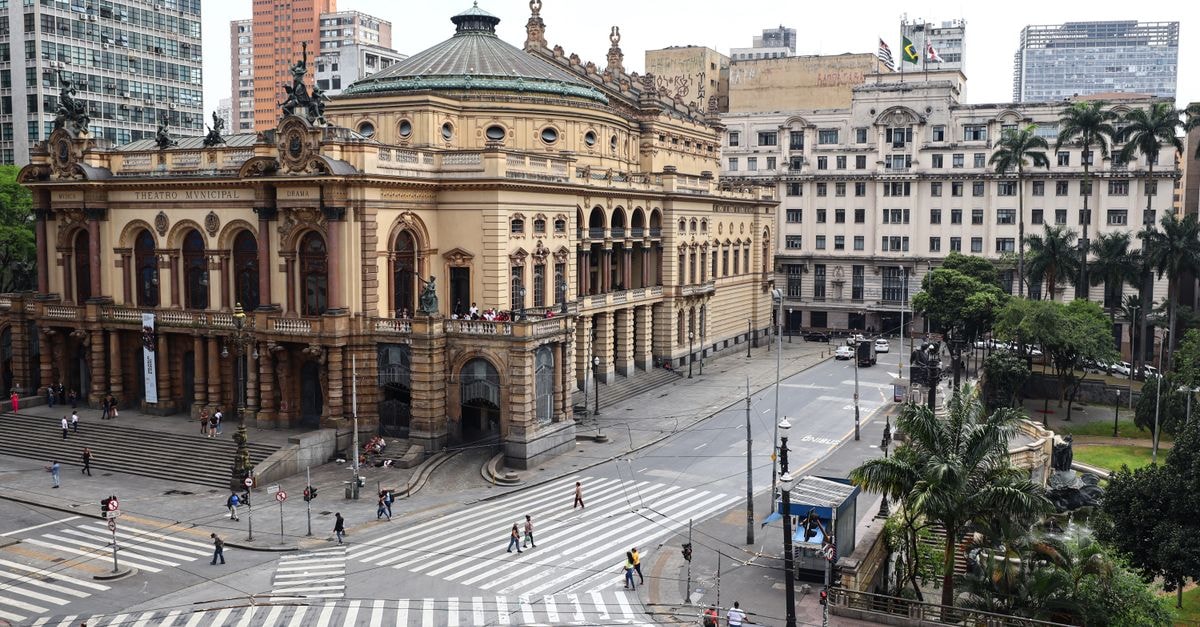
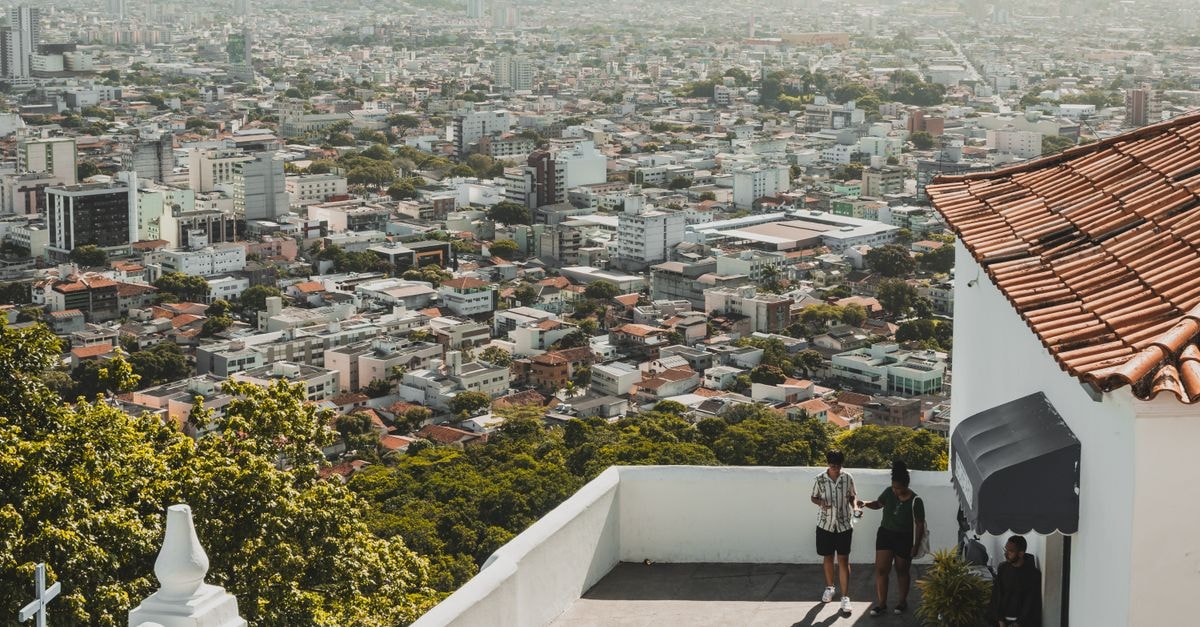
A friendly first look at Campinas

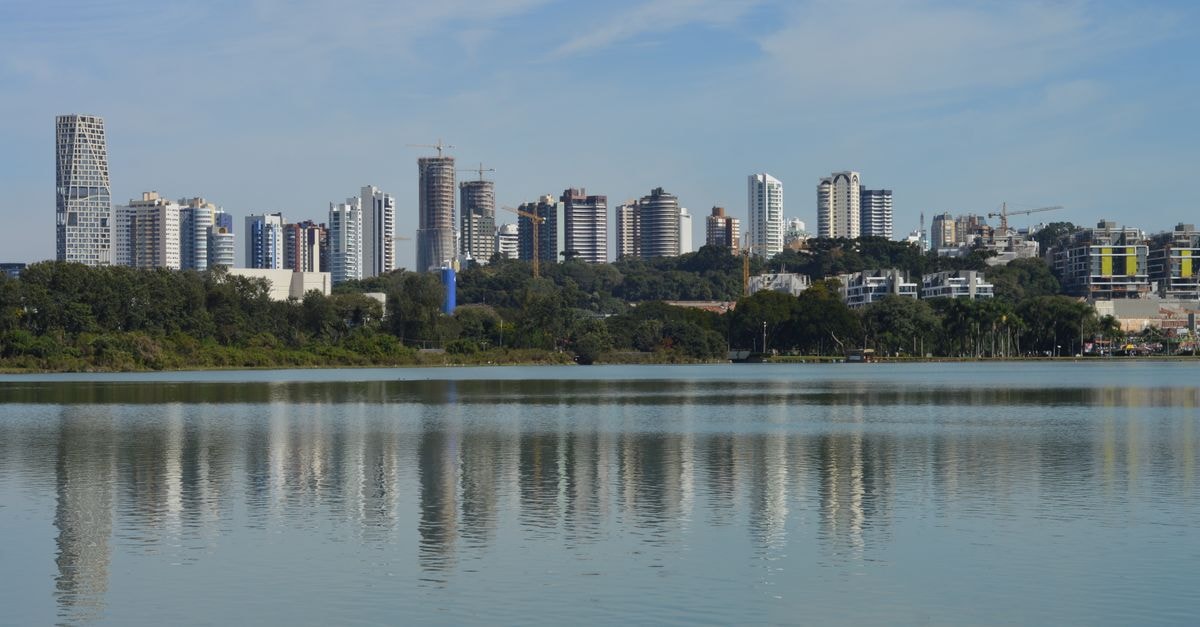
Campinas has a way of catching travelers off guard in the best sense. It sits in the interior of São Paulo state as a sizeable, modern city with leafy avenues, lively restaurant culture, and a busy airport that doubles as a regional gateway. Many visitors arrive here with a connection or a business meeting in mind and quickly realize the city deserves a slower look.
That said, Campinas is also a working city, not a polished postcard. The energy is brisk, traffic can build up during rush hours, and the rhythm is practical rather than purely touristic. With a little planning — especially around how you arrive and how you move between key points — the experience feels smooth and rewarding, whether you are stopping over or staying for a few days.
This guide keeps the focus on what the approved sources actually confirm: how to reach the city from the airport, what kinds of attractions are typically highlighted, and where Campinas sits within the wider food culture of São Paulo state.
Getting around from Viracopos Airport
For most travelers, the journey into Campinas begins at Viracopos International Airport. The airport is roughly 90 kilometers from the city of São Paulo, which already hints at its role as a regional hub rather than a São Paulo city airport.
Ground transport options from Viracopos run in two main directions, and it helps to decide before you land.
If Campinas itself is your destination, direct services connect Viracopos to the Rodoviária de Campinas, the city's main bus terminal, and to Largo do Pará in the central area. These are the practical drop-off points for travelers heading into town, and they keep the onward taxi or rideshare leg short.
If you are continuing toward the city of São Paulo, the most commonly recommended option is to take the Airport Bus (operated as Lirabus/Águia Branca) directly to Tietê Bus Terminal in São Paulo, then connect onward by metro or taxi. That combination is widely described as the most convenient and balanced way to bridge the airport and central São Paulo without a private transfer.
Either way, the airport is set up for overland connections rather than a rapid urban rail link, so it is worth building in buffer time, particularly if you have a same-day meeting or a tight hotel check-in.
Attractions and how to plan your time
Campinas has a recognized list of visitor highlights, and the city's own promotional material groups them as a "top 10" set of attractions to visit in Campinas and around. The phrasing matters: the list is framed as a starting point for sightseeing, not as a ranked must-do sequence.
In practical terms, this means visitors can approach the city without feeling pressure to tick off a fixed route. The top-10 framing is useful because it bundles together the kinds of places that define a Campinas visit — historic buildings, parks, cultural institutions, and a few neighborhood landmarks — without insisting on a specific order.
A sensible approach is to skim the official top-10 list first, pick three or four that genuinely interest you, and group them by area of the city so you are not zig-zagging across town. Since Campinas is a working city with real traffic, cluster-based planning tends to feel more relaxed than a strict schedule. Treat the list as a curated starting set rather than a checklist, and leave room for a slow coffee stop or a quiet park bench along the way.
For travelers who are only passing through on a layover or a business trip, even one well-chosen attraction — paired with a meal in a lively neighborhood — can give a genuine sense of the city.
Food and local context
Campinas shares the broader culinary profile of São Paulo state, which is shaped by a few recognizable threads. The everyday plate is often the prato feito, a straightforward set meal that you will find at lunch counters and casual restaurants across the region. Churrascarias are also part of the local dining landscape, reflecting the strong grilled-meat tradition that runs through southern Brazil. Italian food has a particularly deep footprint here, a legacy of the immigration waves that shaped São Paulo state in the late nineteenth and twentieth centuries.
One signature savory dish that visitors are likely to encounter across Brazil — and that appears in descriptions of Campinas cuisine — is feijoada, a hearty stew of black beans slow-cooked with various cuts of pork and beef. It is traditionally associated with broader Brazilian dining culture and is the kind of dish worth trying at least once during a stay, even if your time in Campinas is short.
Beyond individual dishes, the city has an active food-event calendar. The Festival Gastronômico de Campinas is held annually and brings together local restaurants, bars, and chefs to present exclusive dishes that highlight regional culture and flavor. For visitors whose travel dates line up with the festival, it can be a useful way to sample several chefs' work in one trip; for everyone else, it is a reminder that Campinas has a confident, ongoing food scene rather than just a handful of famous kitchens.
As wider Brazil context that visitors may encounter while in the city, it is worth knowing that Brazilian dining tends to be social and unhurried at dinner, while lunch is often the largest meal of the day. Keeping that rhythm in mind tends to make restaurant visits feel more natural, especially if you are used to eating on a tighter schedule.
Practical notes before you go
A few grounding reminders before you pack.
- Confirm transport options on the day of travel. Airport bus schedules, bus terminal layouts, and rideshare availability can change, so it is worth checking current details with the operator or the airport's official information channels before you commit to a specific plan. - Treat attraction lists as a starting point. The official top-10 is a curated set, not a guaranteed open-and-running checklist; individual sites may have varying hours or temporary closures, which is normal for any working city. - Pace your days. Campinas rewards a relaxed schedule. One well-chosen neighborhood, a long lunch, and a single cultural stop often feels more rewarding than a packed five-stop sprint. - Keep an eye on food-event timing. If the Festival Gastronômico de Campinas falls during your visit, it is worth booking a table early; if not, the city's everyday dining scene is busy enough that reservations are often a good idea on weekends.
Factual travel conditions can change, and official channels — the airport, the bus terminal, the city's tourism information, and your hotel or host — should be checked before departure for the most current details.
Share this article
TOOLS FOR THIS PLAN
Make the Campinas plan measurable
Choose a tool only when it answers the next question in your trip. Your values stay in the browser, and each tool offers a route back to this planning context.