A first look at Çorum

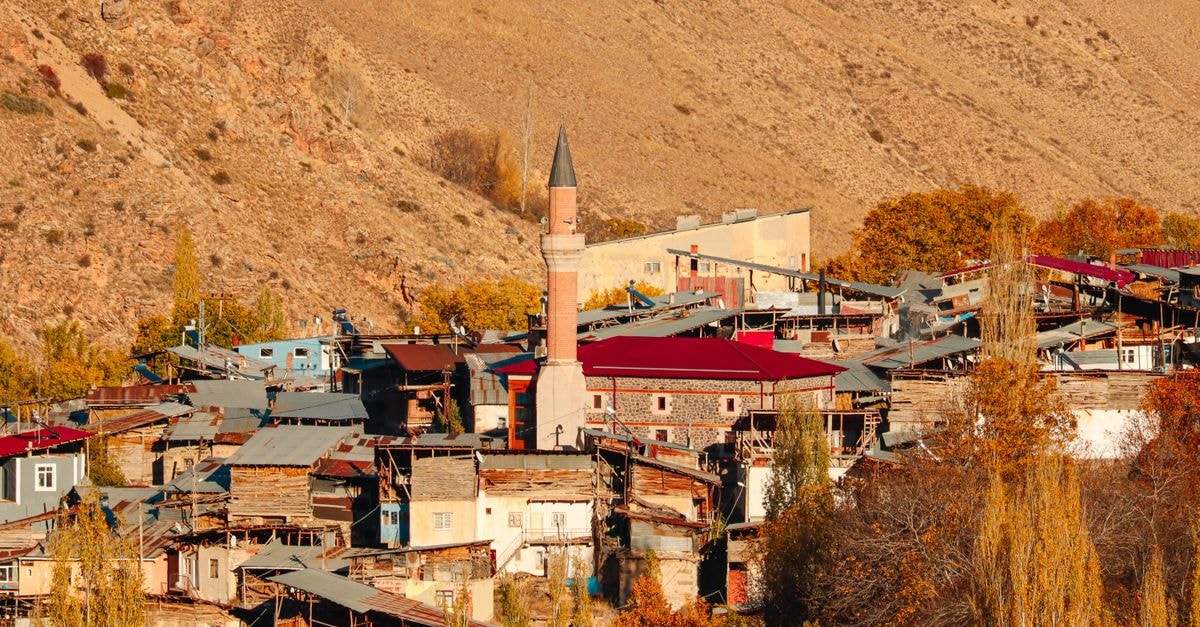
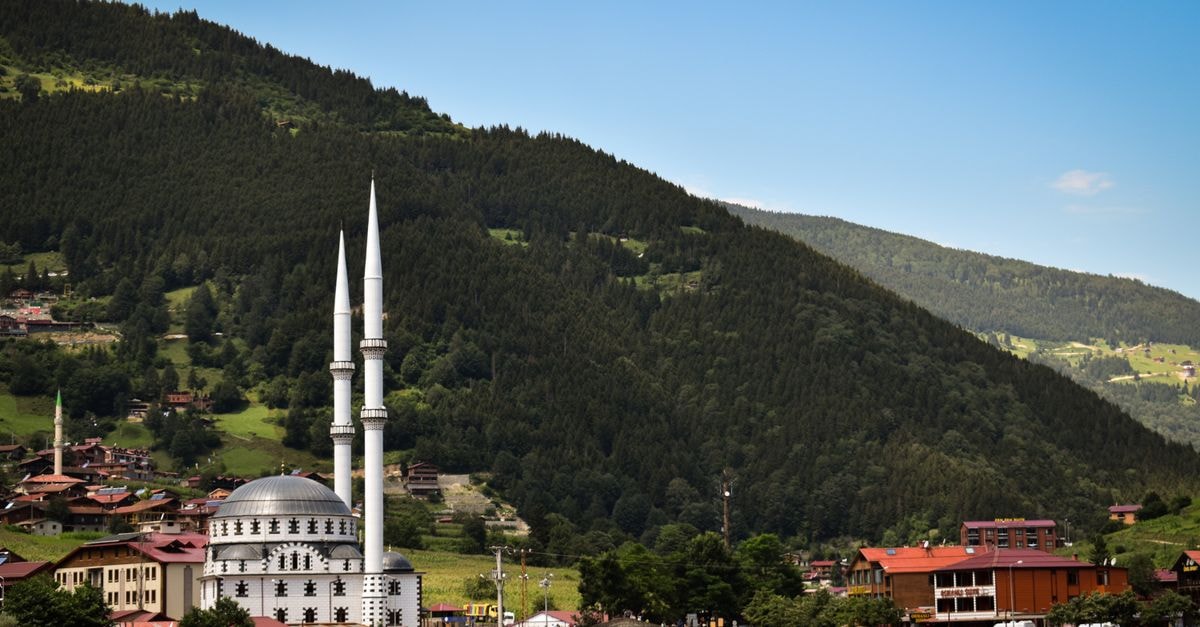
Set where the Black Sea region's wet edge softens into the broad steppe of Central Anatolia, Çorum feels like a quiet hinge between two landscapes. The city stretches across open plains framed by distant mountains and forests, and the air tends to carry the crispness of high country rather than the humidity of the coast. Travelers who arrive here often come for that sense of openness, and for the layered history that sits quietly beneath the modern streets.
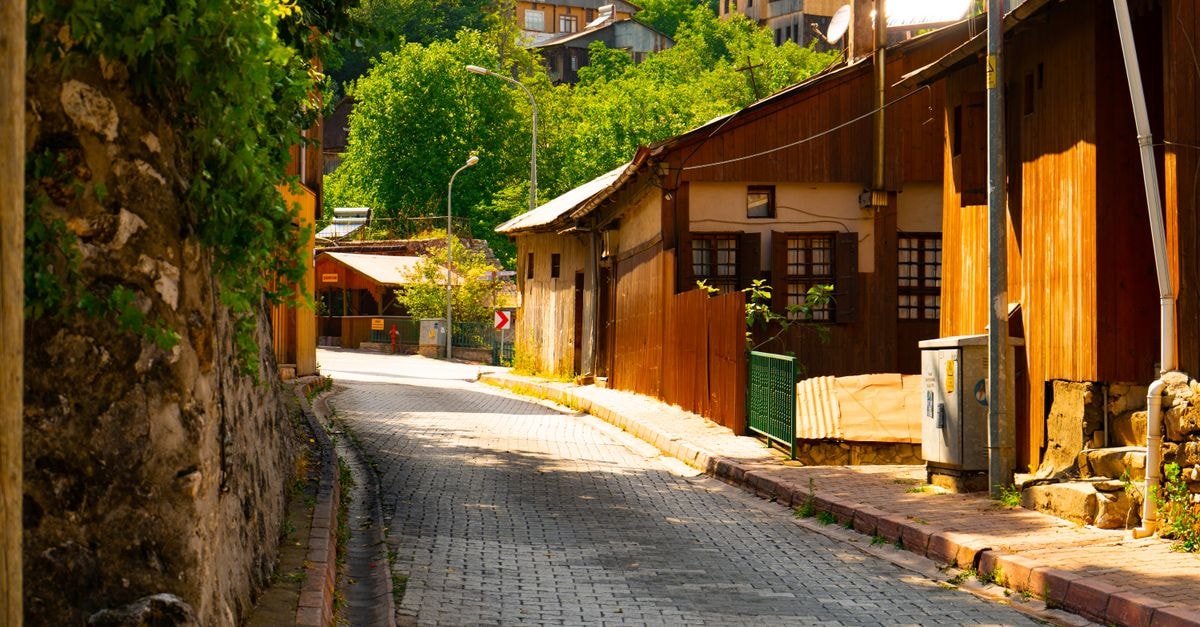
Çorum is positioned on a key highway that connects Middle and Southeastern Anatolia to the Black Sea Region, which makes it a natural pause for overland travelers crossing Türkiye. The atmosphere is unhurried: low-rise neighborhoods, wide skies, and a pace shaped by the surrounding plains and the seasonal rhythm of Anatolian life.
Weather and seasonal context
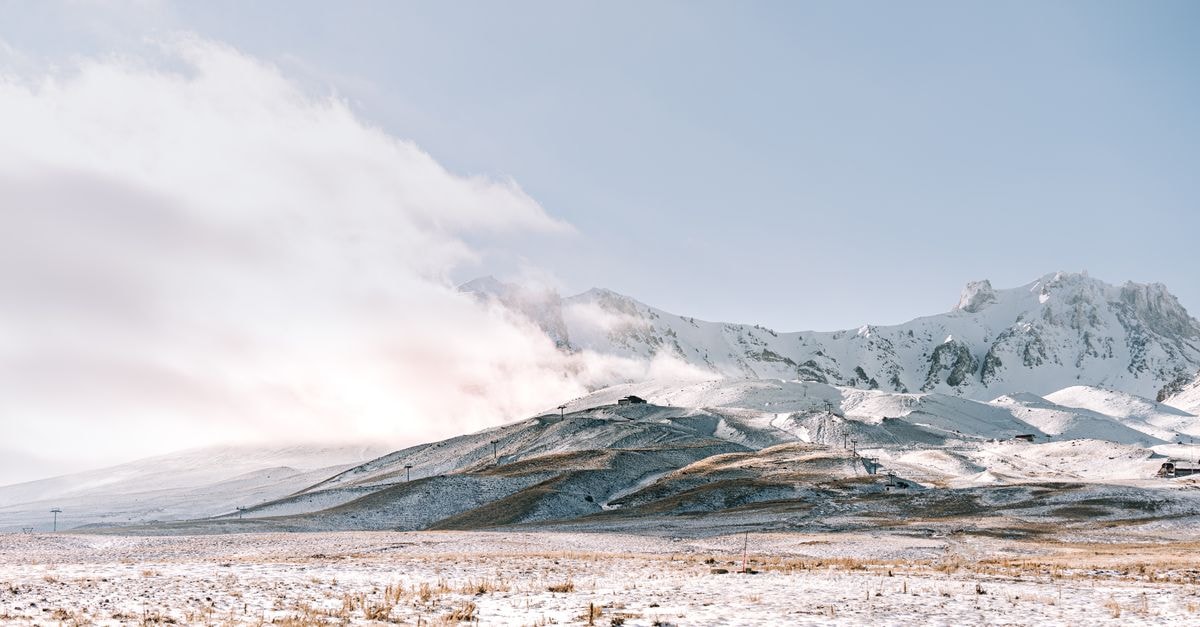
Çorum sits in a transitional climate between the Black Sea and Central Anatolia, so the weather can shift more than the calendar might suggest. Summers tend to be hot and relatively dry, while winters bring cold temperatures and snow. Spring and autumn generally feel like the most comfortable windows for being outdoors, though the plains are known to wear a different beauty in every period of the year.
For visitors, this means a few practical considerations. Daytime temperatures in the warmer stretch of the year can feel intense under direct sun on the open plains, so pacing the day with a slower midday and longer early morning or evening explorations often suits the climate. In the colder months, snowy conditions can affect road travel across the surrounding region, so building in some flexibility around arrival and departure times is worth thinking about. Layered clothing is a sensible choice for any visit, since the elevation and open landscape can produce quick shifts from cool mornings to warmer afternoons.
A simple evergreen approach is to check the forecast close to departure and pack for the season you are actually traveling in, rather than relying on assumptions drawn from coastal Türkiye.
Getting around
Çorum's location on a major Anatolian highway is one of the most practical things to know before a trip. The road network linking Middle and Southeastern Anatolia to the Black Sea Region passes through the city, so reaching Çorum by road from several directions is straightforward for those traveling with their own vehicle, by intercity bus, or through a guided itinerary.
It is worth knowing that Çorum does not have its own airport. The closest airports are in Samsun, about 176 kilometers away, and in Ankara, about 242 kilometers away. Travelers arriving by air will need to plan a connecting transfer by road from one of those two cities. For visitors coming from Ankara, the road journey takes a few hours by coach or private car; from Samsun, the route crosses into the interior plateau, and timing can vary with weather and road conditions.
For travelers who prefer not to drive themselves in Türkiye, intercity bus services into Çorum are a common way to arrive, and once in the city, local transport and taxis handle shorter distances. Those who want the freedom to explore the wider plains, surrounding plateaus and forested high country at their own rhythm may find renting a car useful, particularly if they are combining Çorum with stops along the highway corridor.
Attractions and planning
Çorum is shaped by two intertwined draws: the natural scenery of its plains, plateaus, mountains and forests, and a deep historical and cultural inheritance built up over many civilizations. The surrounding landscape offers a different kind of beauty in every season, and visitors often come specifically to take in the wide views, breathe the mountain and forest air, and step into the layered past of the region.
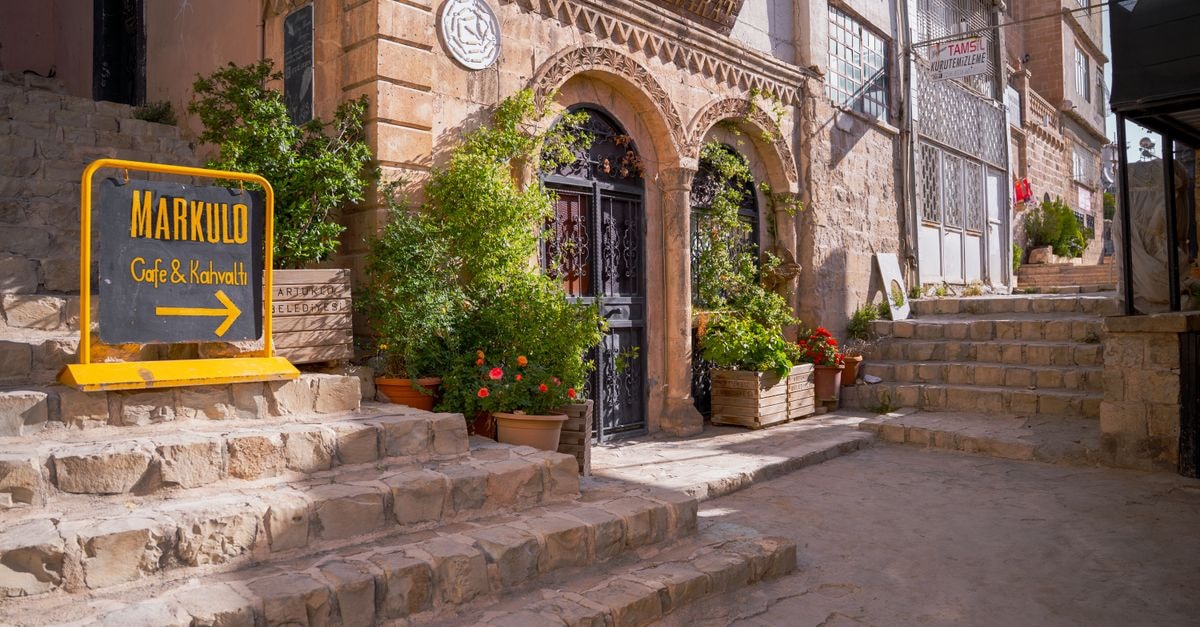
The historical depth here is significant. Çorum has been home to different cultures and civilizations across the ages, and that long story is still visible in the cultural accumulation preserved in its lands. Travelers interested in heritage and archaeology tend to find that the area rewards a slower visit, with time set aside for both the open landscapes and the historic sites scattered across and around the city.
Because the terrain around Çorum includes plateaus and forested highlands, visitors who enjoy scenic drives and nature stops may want to plan at least one full day for the countryside in addition to time in the city itself. Those focused more on history and culture can anchor their visit in the urban core and any specific sites they wish to prioritize. A short verification question worth asking locally or through an official information source before arrival is which historic sites or museum spaces are currently open to visitors, since hours and access can change.
Food and local context
Çorum sits within the wider food culture of Türkiye, a country where meals are treated as a central part of daily life and hospitality. Across the country, dining tends to be social and unhurried, with tea, bread, and shared plates appearing throughout the day. Visitors to Çorum will encounter these broader Turkish patterns in cafés, restaurants and homes.
Because food culture in Türkiye is shaped at the national level rather than by any single city, what travelers experience in Çorum fits into a familiar national rhythm: long breakfasts, grilled meats and vegetables, soups, pide and lahmacun, and the ever-present small glass of tea offered at the end of a meal. Travelers with dietary preferences will generally find that vegetarian options exist alongside meat-based staples, and that menus across the country tend to offer recognizable categories even when specific dishes vary by region.
For travelers who want to experience everyday Turkish food culture, sitting down at a local esnaf lokantası, or tradesman's restaurant, can be a good way to see the daily menu culture that is common across the country. That said, the ledger does not point to specific Çorum restaurants, markets or signature dishes, so visitors may want to ask locally or check a current travel source for the most up-to-date recommendations once they arrive.
What kind of trip fits Çorum best
Given the evidence available, a few traveler profiles seem well matched to what Çorum offers. Travelers who enjoy layered history and ancient sites will find the cultural depth mentioned in the local heritage context a real draw, though the ledger does not detail specific sites. Visitors who appreciate wide natural landscapes, plateaus, forests and open plains may find the surrounding scenery rewarding, especially if they have time to step outside the city. And overland travelers moving between the Black Sea coast and Central Anatolia may find Çorum a natural and well-connected stop along the highway.
Those who prefer a fast-paced city break with a dense concentration of major landmarks in walking distance may want to weigh what Çorum offers against more concentrated urban destinations, since the evidence here points more to broad landscapes and dispersed heritage. Travelers without a car who want to explore the wider plains and plateaus may also find that arranging some form of private transport or local tours makes the countryside easier to reach.
Practical notes before you go
A few small reminders can make a Çorum trip smoother. Build in flexibility around weather, since the transitional climate can shift quickly between seasons, and snowy conditions in winter can affect regional road travel. Plan your arrival route in advance, since the city has no airport and the nearest options are in Samsun and Ankara. And keep an eye on official sources for current opening information at any historic site or cultural space you plan to visit.
Factual conditions around transportation, opening hours and services can change, so checking official channels before departure is always a sensible step.
Share this article
TOOLS FOR THIS PLAN
Make the Çorum plan measurable
Choose a tool only when it answers the next question in your trip. Your values stay in the browser, and each tool offers a route back to this planning context.