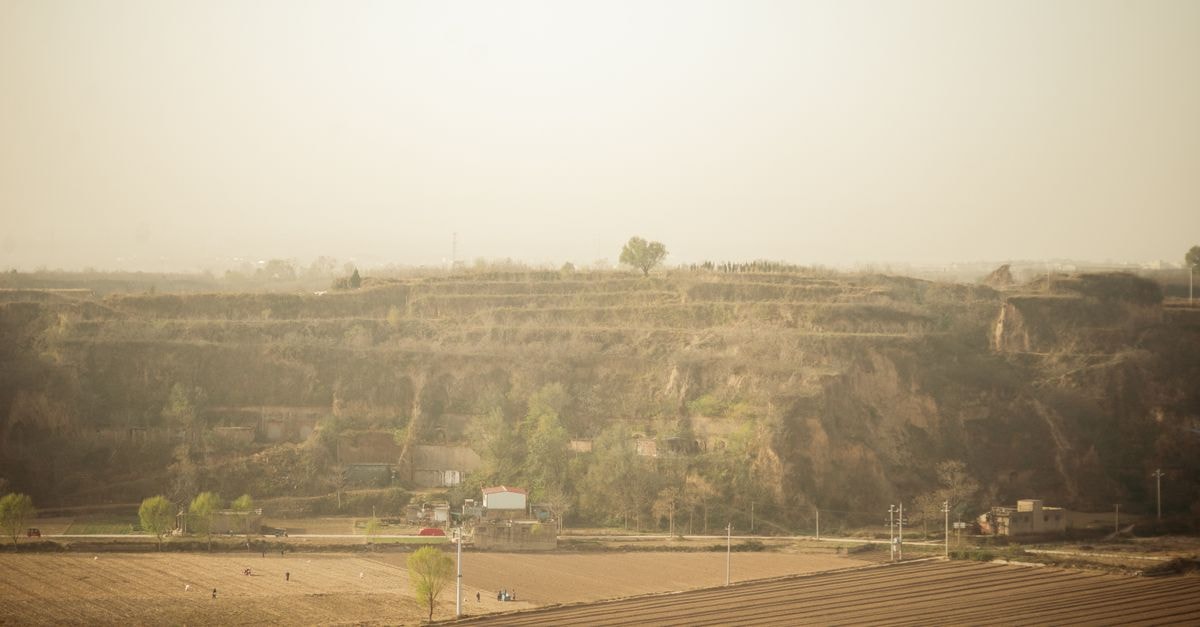
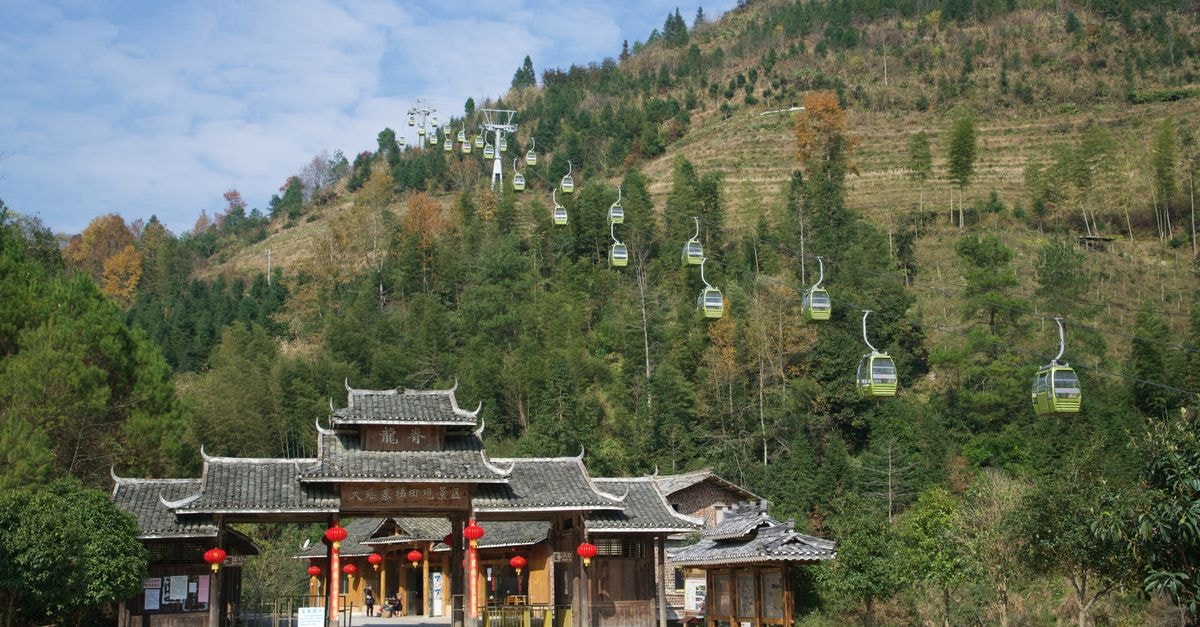
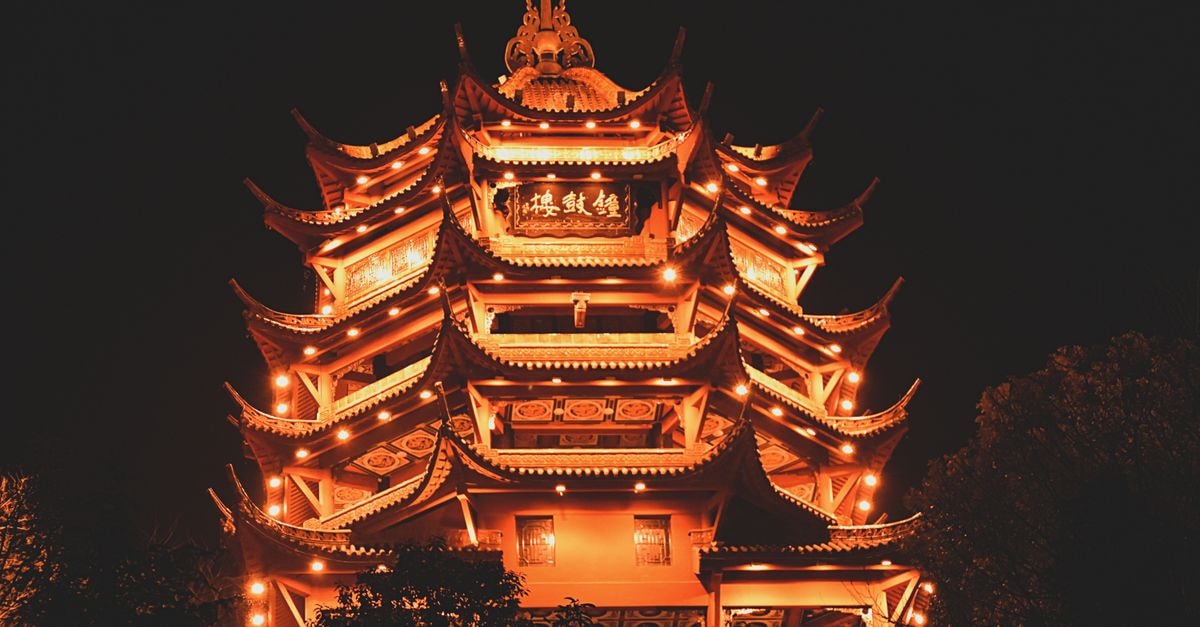
Anyang sits in northern Henan as one of China's most quietly significant heritage cities. It is the cultural ground of the late Shang dynasty and the source of the oracle bone inscriptions that anchor early Chinese writing, which gives the city a heavy weight for anyone drawn to ancient history. At the same time, it remains a working regional capital where everyday logistics still feel approachable, so even travelers who come for the archaeology end up spending time in ordinary streets, modest parks, and unflashy restaurants. The mix can feel like stepping between layers of the country rather than ticking off a blockbuster itinerary.
Weather and seasonal context
The more durable detail worth noting before packing is a practical one: Anyang does not have a commercial airport (F1-1). Budgeting a gateway night in a nearby city before continuing onward is part of budgeting Anyang itself, because the final leg into the city typically happens by road or rail rather than by a direct flight.
Getting around
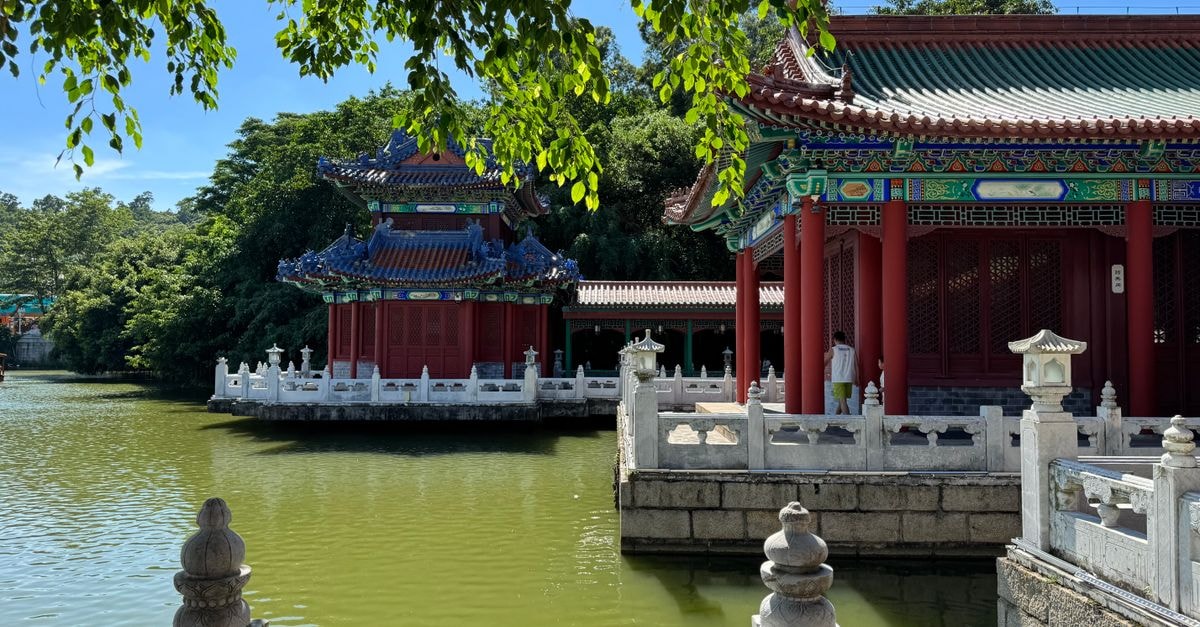
Because there is no airport within the city, understanding how the city's wider regional scene is described by heritage travelers also matters. In broader Henan travel writing, Anyang is sometimes characterized as an underrated ancient town with a water town mood, even though most visitors to Henan picture mountains and grottoes (F4-1). That framing is useful in two directions: it tells visitors that the kind of reflective, slow walking experience they might associate with canal towns is available here, and it reminds them that the network of heritage stops in Henan is broader than a single checklist.
Within Anyang itself, arrivals will almost always continue by road or rail from a nearby city, which means ride-hailing apps and local buses tend to do much of the everyday work for independent travelers. If you prefer not to sort out private cars on arrival, leaning on the rail station onward, then switching to local taxis or shared rides for short hops, may keep the first day simple and inexpensive.
Stays and budget grounding
Hotel pricing in the city is one of the clearest budget anchors a traveler has, because the available range is unusually legible. Budget hotels in Anyang typically run in the range of ¥80–180 per night, roughly $11–25 USD (F1-2). That single bracket tells a budget-conscious independent traveler something useful: a careful itinerary in the city does not have to fight against accommodation costs, and any extra spending can comfortably go toward food, local guides, and the occasional private transfer to outlying heritage sites rather than the nightly room.
It also suggests a sensible planning question worth verifying before booking: confirm the current Yuan to Dollar rate before transferring the budget figures into your own travel money, because exchange rates move and the equivalent here is a reference frame, not a fixed conversion. With that disclaimer in place, travelers packing light and pinning trips to midweek or shoulder weeks may find the most flexibility inside that budget band.
Dining culture in context
Anyang sits inside a much wider Chinese dining tradition, and understanding that frame can help visitors read the room when they sit down for a meal. Customs and etiquette in Chinese dining are the traditional behaviors observed while eating in Greater China, covering shared dishes and table rituals visitors will encounter in this region as well (F7-1). Chinese dining culture more broadly is described as varied and historically shaped by ritual and etiquette, which gives the everyday meals in Anyang a long cultural backdrop rather than a purely local flavor (F8-1, F8-2). For travelers who enjoy eating as a way into a place, this wider context is part of what makes ordinary restaurants in Anyang feel like a window onto the country, not just a stop for fuel.
Before you go
Exchange rates, transport timetables, museum opening patterns, and hotel pricing all change. The figures and notes in this guide are a starting frame based on available evidence, not a guarantee of current conditions, and official channels should be checked before departure so the trip reflects the Anyang you actually arrive in.
Share this article
TOOLS FOR THIS PLAN
Make the Anyang plan measurable
Choose a tool only when it answers the next question in your trip. Your values stay in the browser, and each tool offers a route back to this planning context.