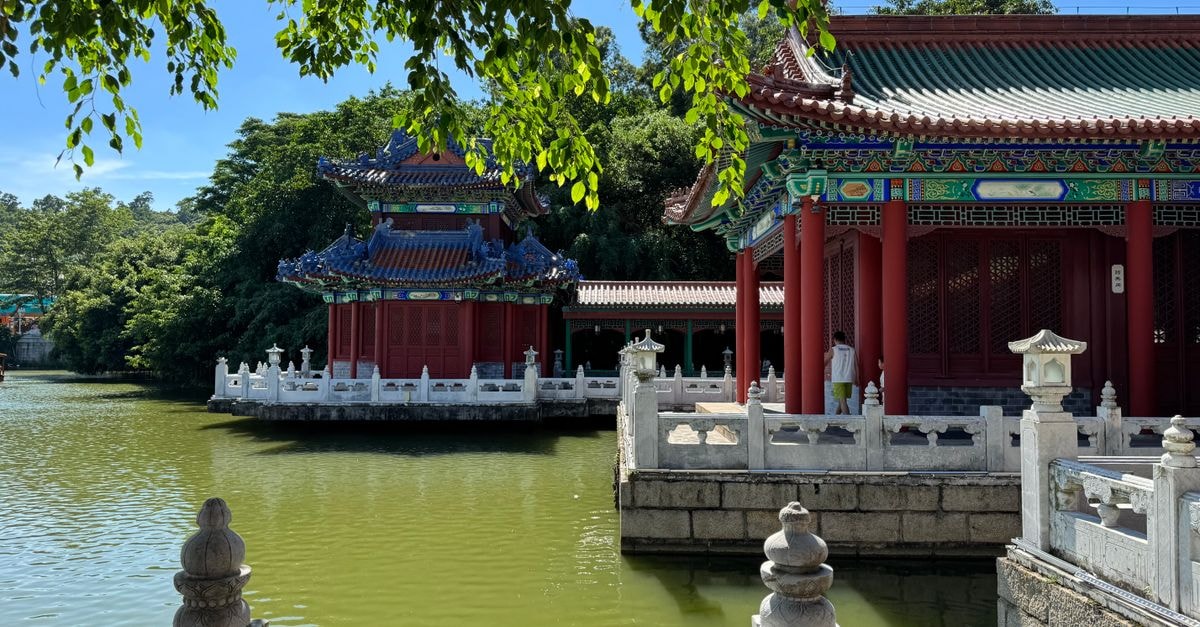
A Quiet Crossroads on the Xunyu Plain

Guigang has a quietly strategic personality. It sits on the Xunyu Plain in southeastern Guangxi, unfolding along the banks of the Xijiang River, and that single geographic fact quietly explains almost everything else about visiting. Because the city is positioned in the southeastern part of the Guangxi Zhuang Autonomous Region, it functions as a pivotal hub for the surrounding area, and because it sits on the river system, the landscape around the city carries the wide, flat character of an alluvial plain. For a traveler, this reads as a city that feels less like a headline destination and more like a working crossroads, the kind of place you stop into with intention rather than stumble into by accident.
What makes Guigang worth a thoughtful visit is not a single iconic landmark but the way its identity layers up. The Xijiang River here is part of the broader Xunjiang tributary system flowing into the Pearl River system, so even a short walk near the water gives you a sense of place that is harder to find in landlocked cities. The city is also one of southwest China's most important transportation hubs, marked geographically by the fact that the China-Myanmar gas pipeline terminates here. That is not a tourist sight, but it does mean Guigang has the infrastructure and connectivity that smooth, independent travel tends to rely on.
When the City Feels Best
Any honest Guigang travel guide has to talk about timing, because the rhythm of the year matters here. The city is generally described as best visited in spring and autumn, with the March to May and October to November windows offering pleasant temperatures and noticeably less rain than summer. That does not mean other months are off-limits, but it does mean visitors should plan their pace around what the weather typically allows. In warmer months, the day can feel heavier, and energy tends to drain faster than it does in cooler weeks, so building slower afternoons into your plan is a kind way to treat the city and yourself.
Because Guigang sits on a river plain, the climate tends toward humidity in warmer periods, which can make even moderate temperatures feel more intense. Layering lightweight clothing, keeping water close at hand, and saving outdoor walking for early morning or late afternoon are all small adjustments that help. None of these are hard rules, but they are the kind of soft adjustments that turn a generic visit into a comfortable one. The honest takeaway is that spring and autumn are the friendliest seasons for getting around, while other times of year simply call for a more relaxed schedule.
Getting Around and the Lotus Culture Series
Guigang's identity as a transportation hub is not just a line on a map. It is one of southwest China's most important transportation hubs, and the practical effect for a visitor is that reaching the city and moving within it is comparatively straightforward. For travelers arriving from elsewhere in Guangxi or from neighboring provinces, that positioning matters. It means the city is easier to slot into a wider route than its size would suggest, and once you are there, basic logistics tend to be uncomplicated.
What gives Guigang an actual calendar rhythm is the Lotus Culture Series. Now in its fifteenth year, this event has grown into a defining cultural and ecotourism moment for the city, and it is more than a simple summer highlight. For visitors planning a trip, it is the one piece of the Guigang calendar worth researching in advance, and it can give your visit a clear narrative thread, tying your days in the city to a celebration that locals themselves treat as a marker of the season.
Even outside the Lotus Culture Series months, Guigang reads as a city that is comfortable to navigate on foot in its central areas, supplemented by local transport for longer distances. The flat geography of the Xunyu Plain helps, and the river-facing layout means you rarely have to fight elevation to reach the more scenic parts of town. As a general rule, allow yourself more time than you think you need for short distances, because river-plain cities tend to feel longer than they look on a map.
Safety and Daily Comfort
For most travelers, Guigang feels reassuringly calm. The city is generally considered safe, with low levels of violent crime, though visitors should still expect the small everyday risks that come with any city, including occasional petty theft and the occasional tourist-oriented trick. None of this is unusual for China as a whole, but it is worth keeping in mind because it shapes the small habits that make independent travel smoother: keep valuables close in crowded areas, be polite but skeptical of unsolicited offers, and lean on official information counters when in doubt.
The bigger comfort factor is the city's flat geography and its hub status. A city that handles a lot of traffic and transit tends to have clearer signage and more developed support services for visitors than a quieter town of the same size, and Guigang fits that pattern. Pharmacies, convenience stores, and food outlets are generally easy to find in central districts, which makes day-to-day logistics simple to manage.
Food and the Wider Dining Context
Guigang does not need to invent a food identity from scratch, because it sits inside one of the world's most expressive dining cultures. Eating in China is famously central to daily life, and the country has built one of the world's greatest and most varied cuisines around that centrality. As a visitor in Guigang, you are stepping into that broader tradition, where food is woven into social rhythm rather than treated as a separate activity.
Chinese dining culture carries a long history of ritual and etiquette, and eating is treated as a highly important feature of the culture, which is why dining etiquette has developed to such a refined degree. For travelers, this is less about memorizing rules and more about reading the room. Meals tend to be shared, dishes arrive in a particular flow, and there is a quiet pleasure in noticing how local diners pace themselves. Travel in China more broadly goes beyond sightseeing into a heartfelt cultural resonance that includes cuisine, street life, and the small rituals that surround a meal, and Guigang offers that same texture in a less crowded, more local setting.
Because Guigang sits within Guangxi, visitors will likely encounter the broader flavors associated with the region, but specific city-level dishes, signature restaurants, or named local specialties are not part of what the approved evidence supports here. Treat meals in Guigang as a way to step into wider Chinese dining culture rather than as a checklist of city-specific must-eats. Sit down where locals sit down, watch how dishes are ordered, and let the rhythm of the meal carry you.
Planning Notes Before You Go
Guigang rewards travelers who arrive with a flexible plan and a curious attitude. Use the Lotus Culture Series as a natural anchor for your visit when your schedule allows, and lean toward spring or autumn if your dates are open, since those windows are widely described as the most pleasant for visiting. Keep safety habits light but present, treat food as part of the cultural experience rather than a side note, and let the river-plain geography set the pace of your days rather than fighting it.
One small reminder worth keeping in mind: travel conditions, including local events, transport details, and safety conditions, can change, so checking official channels before departure is always a sensible step. Treat any guide, including this one, as a starting point rather than a final word, and let your own rhythm shape the trip once you arrive.
Verification Note
This guide is based on approved factual evidence covering Guigang's geographic position, its hub status, general safety conditions, the Lotus Culture Series calendar, and broader Chinese dining context. Specific attractions, restaurants, prices, opening hours, and itineraries are intentionally omitted because they are not directly supported by the available evidence. Readers should verify current conditions through official channels before traveling.
Share this article
TOOLS FOR THIS PLAN
Make the Guigang plan measurable
Choose a tool only when it answers the next question in your trip. Your values stay in the browser, and each tool offers a route back to this planning context.