A slower rhythm in northern Honshu

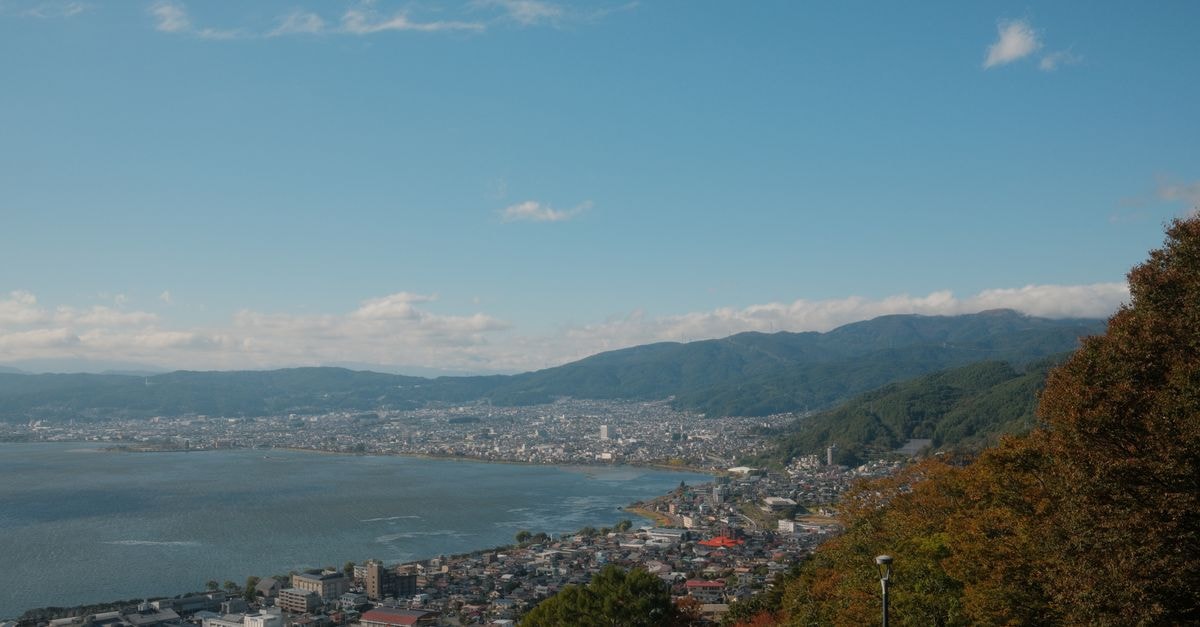
Aomori sits at the top of Honshu, where the bay meets long stretches of coast and forested ranges. For travellers used to the pace of Tokyo or Osaka, the city offers a quieter counterpoint — fewer crowds, more sky, and a landscape shaped by mountains and sea. This guide keeps the focus narrow and useful: how the weather and seasons tend to feel, how to move between the main hubs, and what makes one of the city’s signature heritage sites worth planning around.
There is no attempt here to chase every sight in one trip. The goal is to help a first-time visitor arrive prepared, move with confidence, and leave space in the day for the unexpected — a cooler breeze off the bay, a long walk through a reconstructed ancient settlement, or simply a slower afternoon than the big-city itinerary would allow.
Weather and seasonal context
Aomori’s climate is one of the first things visitors notice, and it shapes how a trip here actually feels. Summers elsewhere in Japan are described as hot and humid, but Aomori is noted for being relatively cooler because the humidity is lower than in Tokyo and Osaka. That difference matters: a day that would feel oppressive further south can feel noticeably more breathable here, especially when a breeze comes in off the coast or down from the surrounding ranges. Travellers sensitive to heavy summer humidity often find that the air here lets them walk longer and rest less.
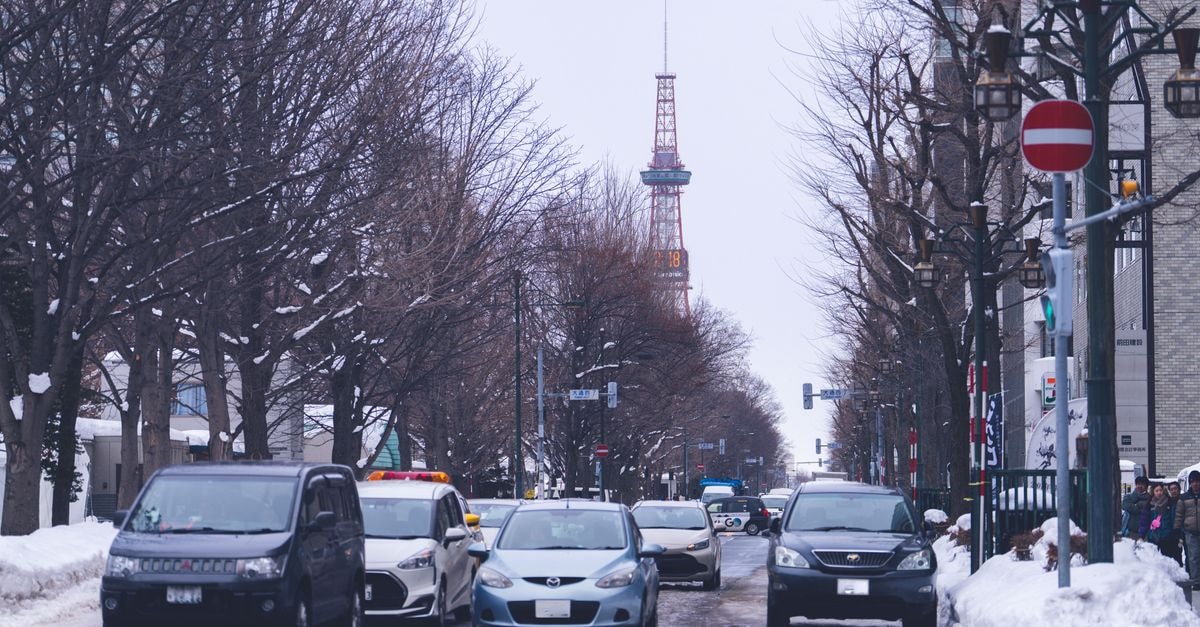
Winters, by contrast, are serious. Aomori sits in a part of Honshu where cold and snow are part of the local rhythm, and even experienced travellers can be caught out by how that affects simple logistics like transit timing. One widely shared traveller account describes a freezing night spent stranded near Hirosaki after underestimating the brutal reality of winter schedules in the Tohoku region — a reminder that getting the timing right matters as much as packing the right coat. For visitors planning around the colder months, the practical lesson is straightforward: assume winter weather will slow you down, build slack into any same-day connection, and treat advertised timetables as a best case rather than a guarantee.
For warmer visits, the suggestion from local guidance is to lean into the geography: head into the mountains for a cooler breeze and a change of scene rather than trying to outwait the heat in the lowlands. Pacing the day with that in mind — outdoor time in the morning, indoor or elevated stops at midday, a coastal walk in the evening — tends to suit the climate well.
Getting around
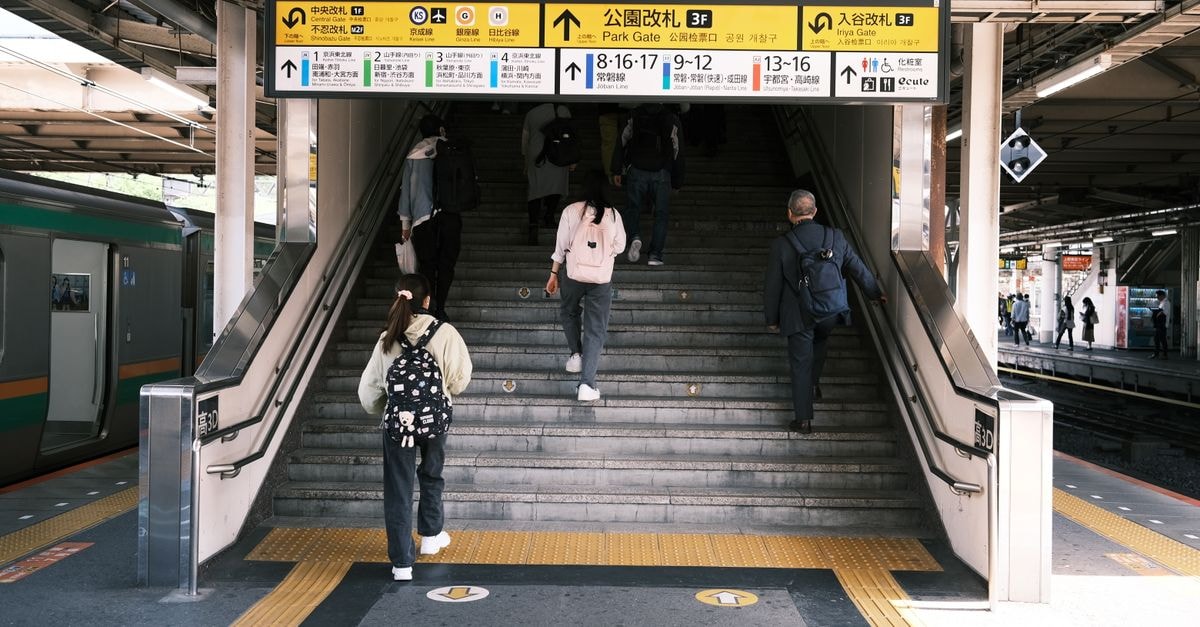
Aomori is easier to navigate than its remote reputation suggests, partly because the key hubs are linked by a single, well-marked route. The Aomori Shuttle de Route Bus, nicknamed Nebutan-go, is the practical backbone for visitors who are not renting a car. It runs as a route bus connecting Shin-Aomori Station, Aomori Station, the ferry terminal, and major tourist facilities, which means most of the city-side arrival points and the main sightseeing stops can be reached on the same network.
Attractions and planning
For visitors thinking about the wider region, it helps to know that Aomori sits next to a UNESCO World Heritage area that extends across Aomori and Akita prefectures. That wider context is useful framing for any visitor interested in the deep history of northern Honshu, even if the focus of this guide stays within the city itself. The heritage trail across prefectures is a reminder that what you see in Aomori is part of a much larger story.
A final check before you go
Factual conditions — schedules, fares, opening arrangements at heritage sites, and the practical impact of weather — can change. Treat the notes above as a starting frame, and confirm the details that matter to your specific trip through official transport and heritage channels before you set out. A small amount of checking in advance tends to turn a good Aomori trip into a calm one.
Prices, opening hours, schedules, reservation rules, and local conditions can change; verify them through official channels before departure.
Share this article
TOOLS FOR THIS PLAN
Make the Aomori plan measurable
Choose a tool only when it answers the next question in your trip. Your values stay in the browser, and each tool offers a route back to this planning context.