A First, Gentle Look at Tokyo

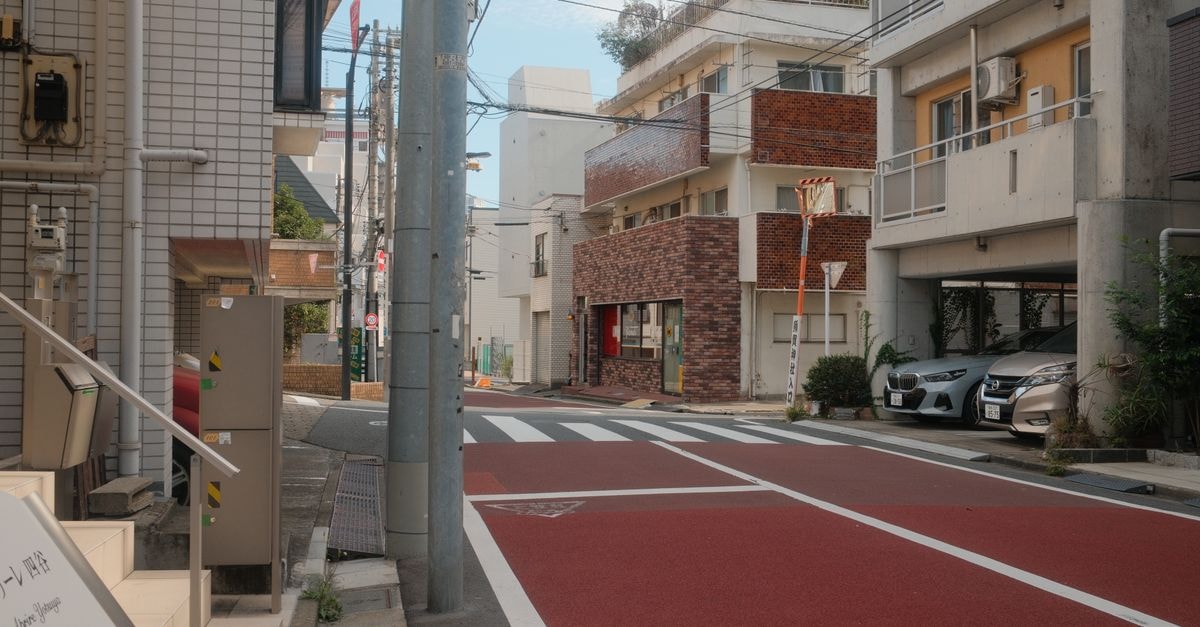
Tokyo has a way of surprising people the moment they arrive. One neighborhood hums with low lanterns and tiny izakaya doorways, the next shines with glass towers and perfectly timed trains. This guide is built around a few grounded, practical themes: how the seasons tend to feel across the year, how the transport system actually works in your hands, and the wider food culture that quietly shapes daily life. The goal here is not a checklist of every sight, but a calm sense of what to expect and how to pace yourself.
Weather and Seasonal Context
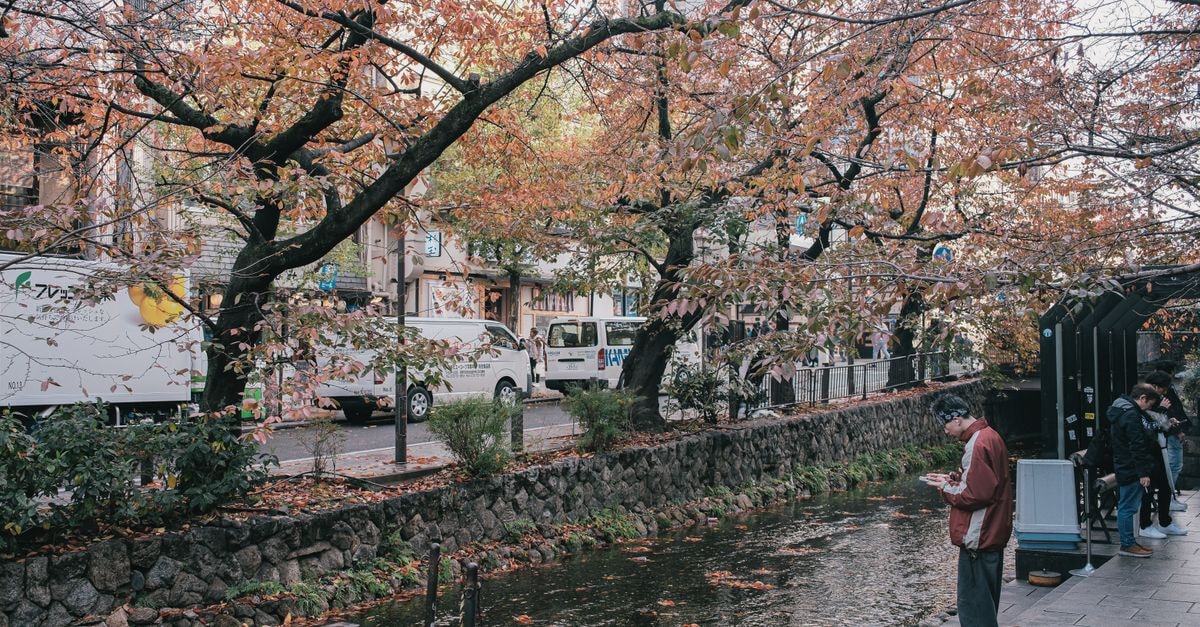
Tokyo shifts mood through the year, and knowing the rhythm can change how a trip feels. Cherry blossom season is one of the city's most photographed moments, when Tokyo transforms into a pink wonderland and parks fill with unhurried hanami crowds [F1-1]. Many seasoned travelers quietly consider May the single best month to visit, drawn by the soft weather and the easier pace before summer settles in [F1-2]. Outside those windows, the city still rewards visitors year-round, but the experience is genuinely different from month to month.
Because this guide is written for an evergreen read, no single calendar month is treated as the default. Instead, think of Tokyo's year in shapes: a cool bloom-heavy spring shoulder, a warm high-summer stretch, a clear and crisp autumn, and a cold but bright winter. If you have flexibility, the transition weeks between those shapes often feel the most generous to walk around in. Pack light layers, expect humidity in the warmer half of the year, and leave room in your plan for an unhurried afternoon when the heat or rain asks you to slow down.
The honest truth is that Tokyo weather rewards a flexible schedule rather than a fixed one. Mornings are often the calmest time to be outside, regardless of season, and early evenings tend to bring a softer light that photographers tend to love. When in doubt, choose indoor options for the hottest part of the day and save outdoor neighborhoods for the gentler hours.
Getting Around
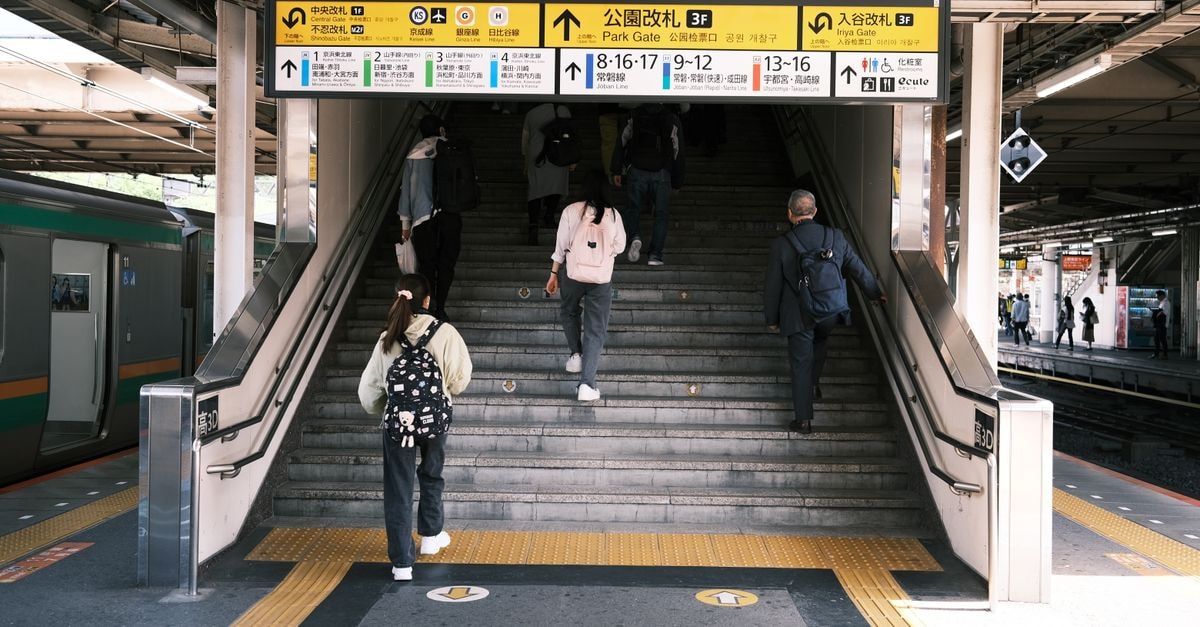
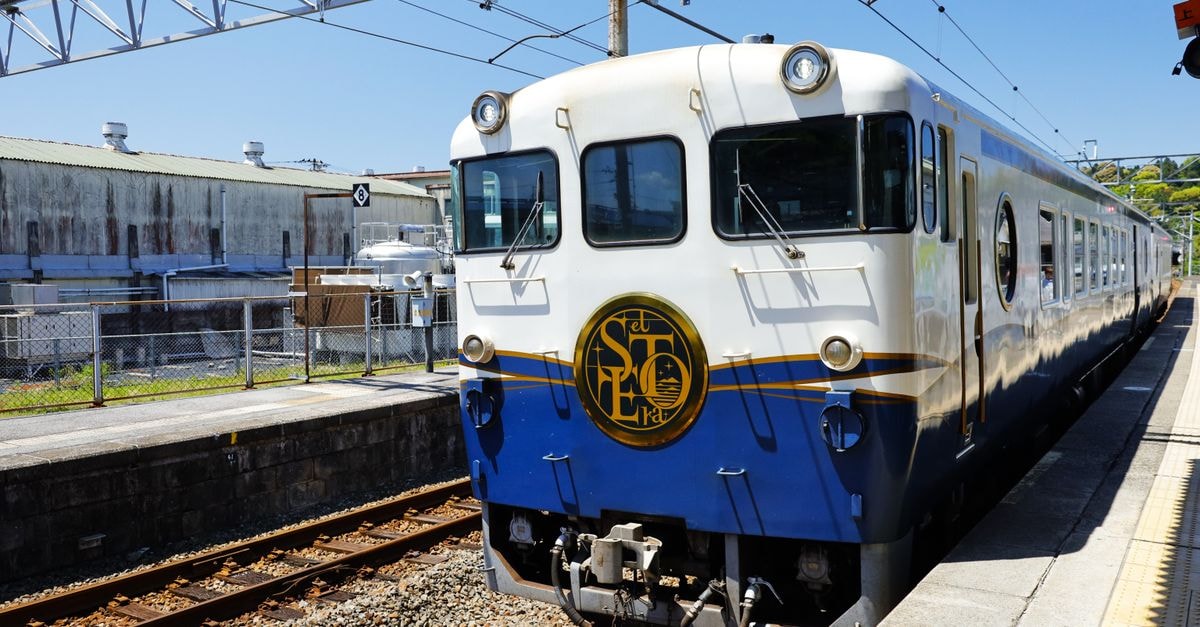
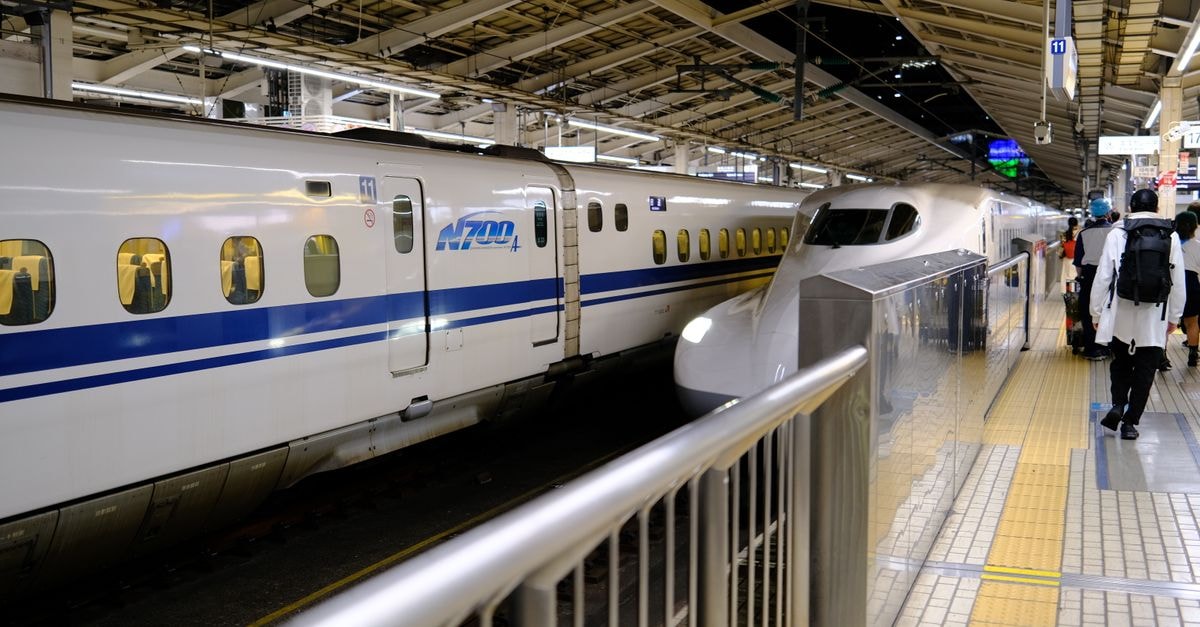
Tokyo's transport system is famously punctual, and the good news for visitors is that almost every practical question has a clean answer. The system offers several convenient payment options, which is a polite way of saying that you can usually tap your way through the city without thinking too hard about what you are buying [F2-1]. For most travelers, that means an IC card loaded with a small starting balance, topped up as needed, and used on trains, metros, and buses across the network.
Buses are part of the picture too, and they come with one important caveat: travel times are dictated by Tokyo traffic, so a bus that looks short on the map can take longer than the same trip on the rail network [F3-1]. Treat buses as a scenic complement to the trains rather than your default for time-sensitive moves, and you will rarely feel frustrated. If you are landing at one of Tokyo's airports, the public transportation system is the natural first conversation, with well-marked routes that connect directly into the central districts [F3-2].
### A Few Calm Habits That Help A short list of gentle habits makes Tokyo transport feel effortless:
- Tap on, tap off. The same IC card works on almost every train, metro, and bus line, so keep it in your pocket and reachable. - Let the rush hour pass. Early mornings and late evenings outside the commute peak are noticeably quieter if you have flexibility. - Trust the signs. Tokyo stations are bilingual in key areas, and platform markings are unusually specific. - Keep small change optional. Cash still appears, but tap-to-pay culture has reduced the need for coins at most turnstiles.
For deeper planning, official Tokyo transport resources cover Tokyo Metro, JR East (which covers Suica and many trains), Toei Transportation, Narita Airport access, Haneda Airport access, and JR Pass information, and the underlying transport details and fares are subject to change, so a quick check before you go is a smart habit [F2-2].
Food and Local Context
Tokyo is one of the world's great eating cities, but the way Japanese food culture works is worth understanding before the first meal. Japanese food culture has close ties to annual festivals and celebrations, with special foods being prepared for specific events [F5-2]. That rhythm shapes daily life: seasonal ingredients, festival-linked sweets, and dishes that quietly mark a time of year. It is the kind of detail that makes a trip feel layered once you start noticing it.
What this means in practice is that menus are not static. You will see items that are clearly tied to the moment of year you happen to be visiting, and locals will talk about eating in those terms too. Even a simple bowl of noodles can carry a seasonal label, and that is part of the pleasure. A useful frame for a first visit is to think of meals in three modes: the everyday set meal that workers and students rely on, the slightly more considered dinner that visitors often plan in advance, and the festival or event foods that quietly punctuate the calendar.
Let the seasons guide your curiosity rather than a fixed list of must-eats. Ask what is fresh right now, look at what shop windows are quietly celebrating, and you will often find a more satisfying thread than any ranking.
Pacing the Trip
Tokyo rewards travelers who let the city set the rhythm. Rather than packing each day with a set number of stops, try to leave white space for walking, sitting in a small park, or stepping into a neighborhood that catches your attention. The most common mistake first-time visitors make is treating Tokyo like a checklist. The most common thing repeat visitors say is that the city feels better the second time, in part because they stop trying to see everything.
If your schedule allows, build in one slow morning, one unhurried evening, and one neighborhood you have no specific plan for. That combination tends to surface the small details that make a Tokyo trip feel personal rather than rehearsed.
A Short Note Before You Go
This guide is intentionally evergreen, so it does not lock the experience to a single month or year. Factual travel conditions can change, and transport fares are updated periodically, so official channels should be checked before departure for the latest details [F2-2]. A little pre-trip research, paired with an open mind on the ground, is usually the difference between a smooth visit and a memorable one.
Share this article
TOOLS FOR THIS PLAN
Make the Tokyo plan measurable
Choose a tool only when it answers the next question in your trip. Your values stay in the browser, and each tool offers a route back to this planning context.