A first look at Sapporo

Sapporo is the kind of city that rewards travelers who like fresh air, walkable neighborhoods, and a slower rhythm than Japan’s larger capitals. As the heart of Hokkaido in the country’s north, it offers a generous blend of green space, dependable public transport, and a strong food scene rooted in regional produce. Visitors often arrive expecting only snow, but the city has a wide range of seasonal character. This guide keeps the focus on durable city knowledge — the kind that stays useful whenever you choose to come — so you can plan with confidence and leave room for happy accidents on the ground.
Weather and seasonal context
Sapporo sits in a cold continental climate zone, similar in feel to cities like Chicago or Toronto, which means the weather genuinely shifts through the year rather than offering one steady backdrop. Local sources describe the climate as varying significantly across the seasons, with a long window for enjoying winter sports and a wide range of beauty that transforms throughout the year. That variability matters in practice: mornings can feel brisk even when the sun is out, layered clothing tends to be useful on most days, and pacing your sightseeing around indoor and outdoor stops in alternation is a comfortable rhythm for many visitors.
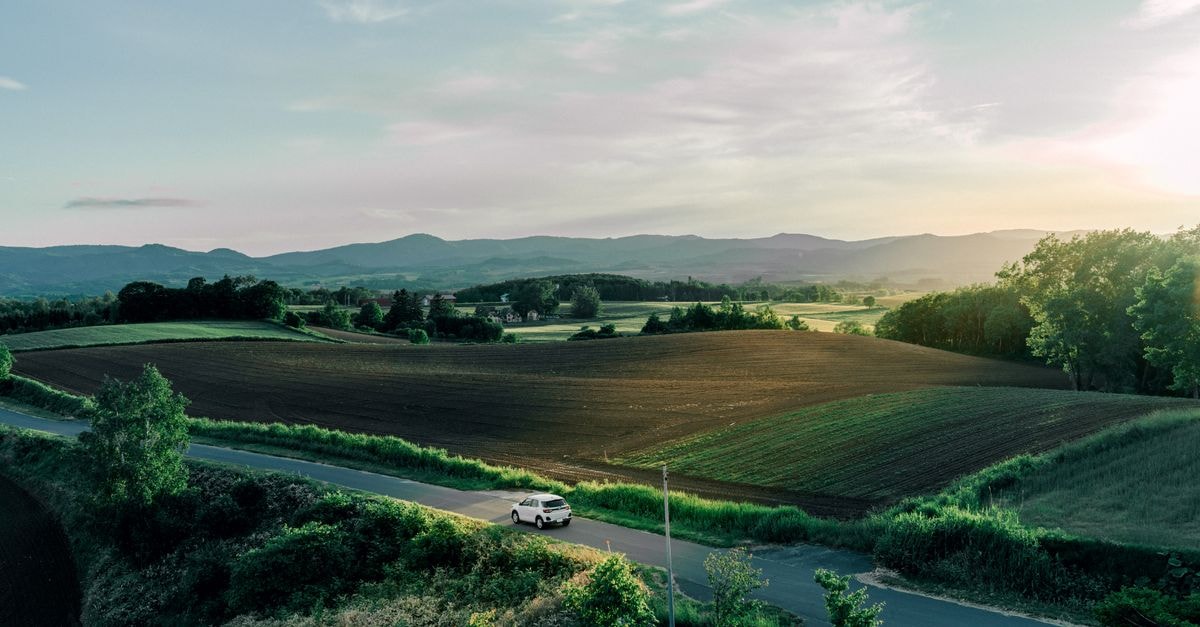
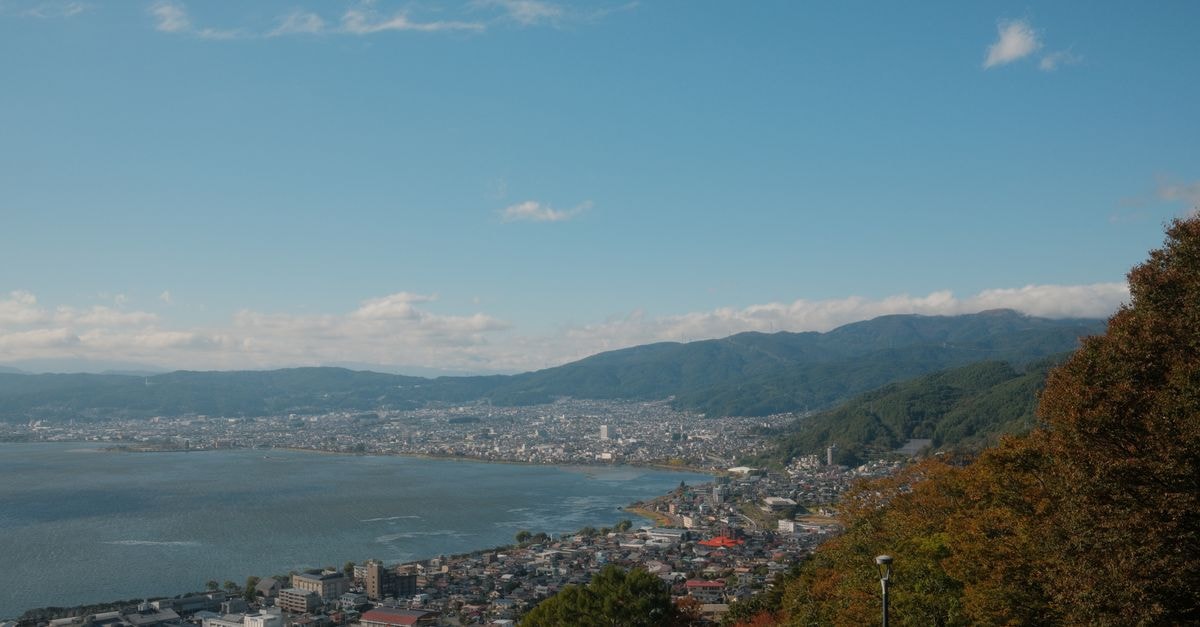
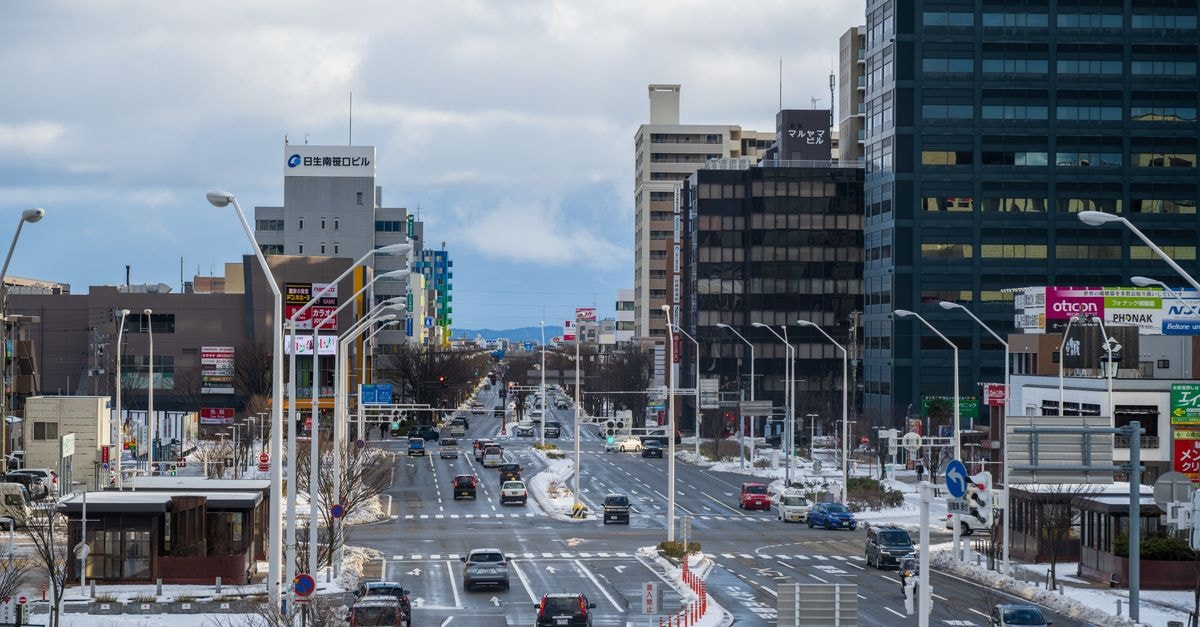
Because the city is associated with snow, it is worth knowing that winter is just one chapter of the year. Spring and summer bring parks in bloom and outdoor cafes; autumn often turns the surrounding hills into soft layers of color. Travelers who do not love cold weather can still find plenty to do, while those chasing powder will recognize Sapporo as a gateway to Hokkaido’s wider winter offerings. The official Sapporo travel guide notes that the city is worth visiting at any time of year, framing it as a four-season destination rather than a single-season one.
Attractions and planning
The official Sapporo travel guide encourages visitors to think about must-see attractions season by season, which is a useful reminder that the same park, market, or viewpoint can feel completely different depending on when you arrive. Forests designated as natural monuments of Japan sit within or near the city, and parks are dotted throughout, giving visitors plenty of spaces to pause and simply look at trees and flowers. That natural-monument status is worth taking seriously: it signals that some of these landscapes are protected for their size, age, or species mix, and they are treated with care by locals.
A practical approach is to choose one or two anchor experiences per day rather than racing through a checklist. One morning might be a park or garden; another might be a slower neighborhood walk between subway stops. Because the city is laid out around its three subway lines, deciding which line matches your interest for the day — north–south, east–west, or the Toho extension — tends to make the map feel intuitive quickly. Leave time for the kind of small, unplanned discoveries that come from wandering a few blocks off the main drag.
Food and local context
Sapporo is widely described as a varied dining city, with popular restaurant areas that visitors naturally gravitate toward and a lively overall atmosphere. It sits at the center of Hokkaido’s broader food culture, so meals here tend to lean on regional ingredients: dairy, potatoes, lamb, and a strong tradition of seafood brought in from nearby waters. Travelers who enjoy Hokkaido’s marine delicacies will find that energy reflected in many of the dining rooms across the city.
When eating in Sapporo, treating the city as a base for tasting Hokkaido rather than hunting for one signature dish tends to be the most rewarding approach. Ask locally about what is in season, be open to places that look modest from the outside, and let the region’s produce lead. A few neighborhood strolls between meals will quickly give you a sense of which districts feel lively at which hours, and which quieter corners suit a slower coffee or a long evening.
A note on planning
Factual travel conditions can change, so it is always wise to confirm transit details, opening hours, and any local advisories through official channels before departure. This guide is intentionally evergreen and focuses on the durable character of Sapporo rather than any specific moment in time. Treat it as a foundation you can build on with fresh information closer to your trip.
Share this article
TOOLS FOR THIS PLAN
Make the Sapporo plan measurable
Choose a tool only when it answers the next question in your trip. Your values stay in the browser, and each tool offers a route back to this planning context.