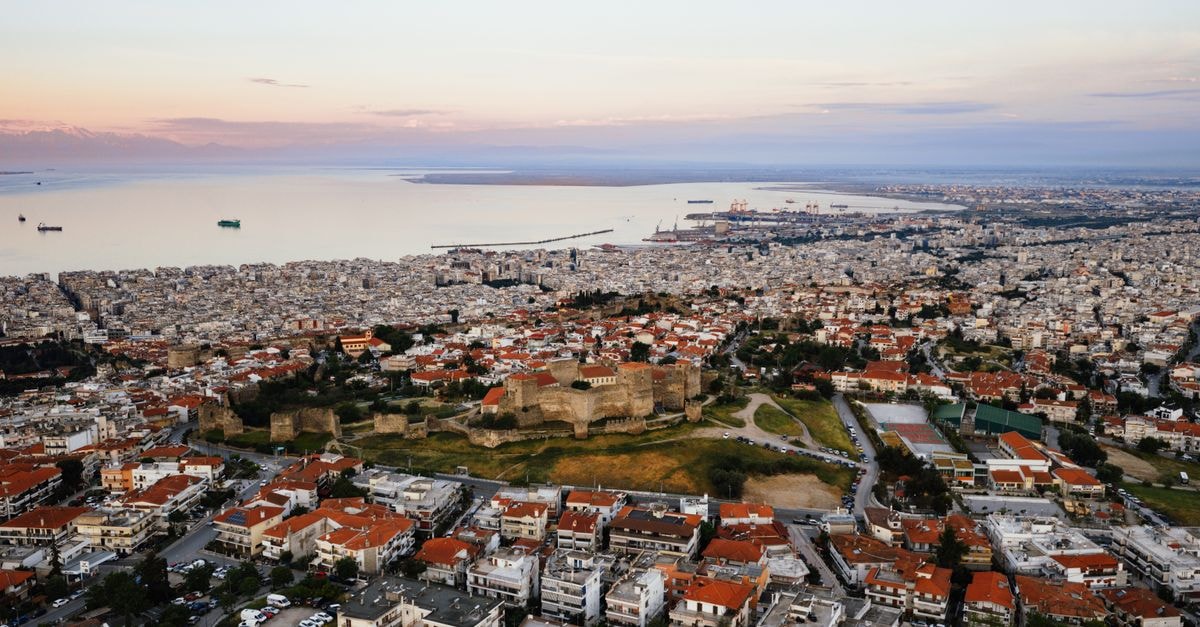
A first impression of Bari

Bari, the capital of Apulia in southern Italy, has a way of pulling visitors in with its layered setting: a seafront promenade, a tangled old town pressed against the Adriatic, and a modern grid stretching outward. The city rewards slow wandering as much as it rewards a list of sights, and even a short stay tends to leave travelers with a sense of place rather than just a checklist. This guide leans into the parts of Bari that hold up across visits: its Mediterranean seasonal mood, the practicalities of arriving and moving around, and the food culture that locals treat as everyday life rather than a tourist attraction.
Getting around
Arriving by air, Bari's airport sits about 9 km from the city center, which makes the transfer into town a real first decision of the trip. Knowing the public transport options in advance helps remove the stress from that first journey, because the choice of bus or rail into the center shapes how a traveler meets the city. Once in Bari, public transport can feel simple with a small handful of practical habits: planning the route before stepping onto a stop, keeping small change or a tapped card ready, and giving yourself a buffer for evening runs when services may thin out.
For the network itself, an official public transport map is the most reliable single reference. Maps show the bus and rail lines that connect the central areas, the seafront, and the outer neighborhoods, and they make it easy to see how a hotel or a chosen base sits relative to the things you actually want to do. Before each journey, a quick look at the map can save a long detour, especially for travelers who like to step out of the old town for a quieter meal or a morning walk along the coast.
Food and local context
Bari's food culture is best understood as something woven into the city rather than a separate itinerary item. The cooking happens in everyday spaces: in home kitchens and on street corners where the same families have worked the same spots for decades. That continuity matters because it shapes what visitors actually encounter, from the smell of frying in the old town to the way a quick bite can become a small conversation.
The flavors of Bari draw from three distinct surroundings: the wheat fields of the Tavoliere plain to the north, the olive groves of Bitonto to the west, and the Adriatic lapping at the stone walls of Bari Vecchia. That triangulation shows up on the plate as a balance of bread and pasta, oils that taste of the sun, and seafood that reaches the table with very little fuss. Bari, as the vibrant capital of the Apulia region, carries a culinary heritage that reflects a diverse history and culture, and the simplest way to engage with that heritage is to follow the locals: choose the small places with a queue, order what the table next to you ordered, and treat the meal as a pause in the day rather than a stop on a route.
A few practical notes for the trip
- The airport-to-center transfer is short, but knowing the public transport options in advance keeps the first day calm. - A current public transport map is the easiest way to orient yourself once you arrive; check it before each outing. - Mediterranean weather rewards flexible pacing: build the day around shade, water, and long meals, especially when temperatures climb. - Food is best approached as a thread through the trip, not a list of reservations.
A note on accuracy
Travel conditions change, and the most reliable guidance is always the freshest one. Verify transport details, opening hours, and any ticketed services through official channels before departure, and check the current weather forecast close to your travel date. This guide is meant as a starting frame for Bari, with the understanding that the city itself is the final reference.
```
Share this article
TOOLS FOR THIS PLAN
Make the Bari plan measurable
Choose a tool only when it answers the next question in your trip. Your values stay in the browser, and each tool offers a route back to this planning context.