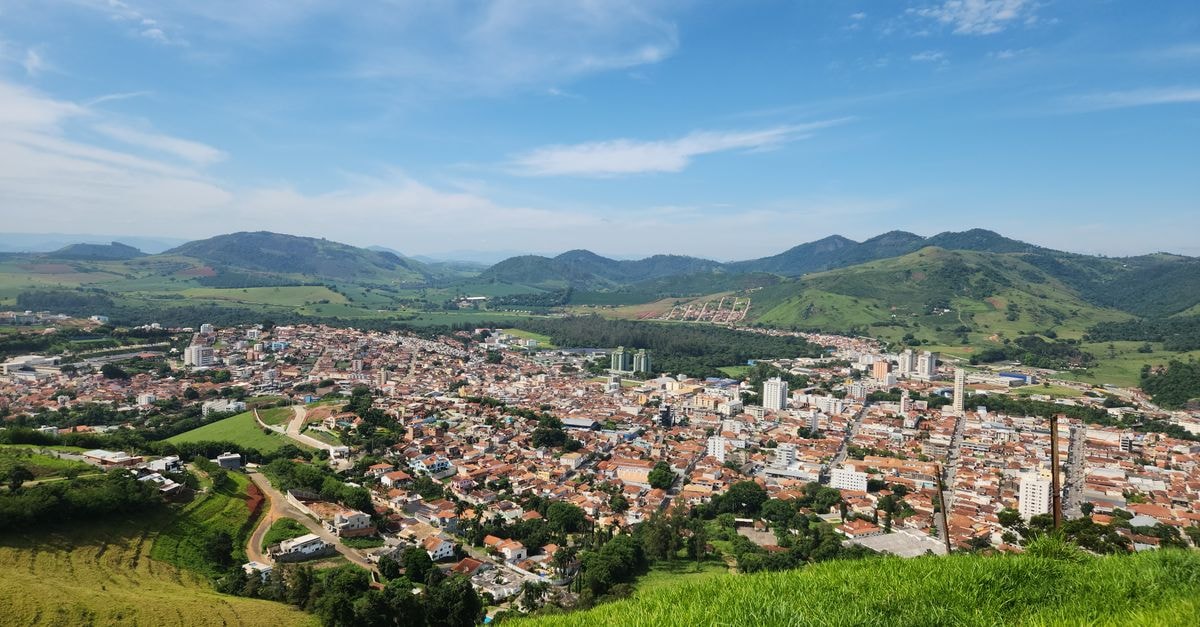
Barranquilla at a glance

Barranquilla, Atlántico, is a city with a strong musical and cultural identity and a useful position on Colombia’s Caribbean coast. The evidence points to an appealing mix: urban culture, windswept beaches suited to kitesurfing, craft villages, bird-filled wetlands, and the wider Atlántico region’s arepa de huevo tradition.
Weather and seasonal context
Barranquilla’s climate averages can be useful background, especially for deciding how to pace a day. January averages show daytime maximum temperatures of 31°C, with high heat and humidity based on long-term weather averages. The same source presents Barranquilla weather averages by month, so it is reasonable to use that pattern as broad context rather than as a short-term forecast.
That combination may make the city feel warm and humid, particularly around daytime outings. For an independent visit, the practical takeaway is modest: allow for the possibility of heat, build in time to pause, and treat any monthly average as context rather than a promise about conditions on a particular day. This guide is intentionally evergreen, so it does not make a month-specific weather claim.
Getting around with confidence
Barranquilla offers more than one transport approach. Transmetro is the city’s bus rapid transit system, operating since 2010. For visitors who are comfortable using public transport, it is a useful city-level option to compare with other ways of getting around.
Local transportation choices can make a substantial difference to how smoothly a Barranquilla visit unfolds. The practical decision is simple: consider Transmetro for public-transport travel, or use rideshare when the route, distance, or comfort level makes that the better fit. The source also notes that standard hop-on-hop-off tour buses are not in Barranquilla, so they should not be treated as a planning assumption.
Music, culture, and the wider Atlántico landscape
Barranquilla is presented as a city of music and culture, and the surrounding Atlántico area adds several distinct textures: windswept beaches made for kitesurfing, craft villages, and bird-filled wetlands. Those descriptions are useful for understanding the broader setting, but they do not establish a specific itinerary, operating schedule, entry requirement, or guaranteed access condition for any individual place.
Within the city, the monument designed by artist Dario Ortiz is described as a must-visit attraction in Barranquilla. That makes it a strong candidate for travelers who want a focused cultural stop, while the broader references to music and nearby coastal experiences offer context for how the city connects with its region. If the monument or any other attraction is central to your plans, verify the latest visitor information through official channels before departure.
The regional context also helps explain why a Barranquilla trip can feel varied. Atlantic music, coastal landscapes, craft traditions, wetlands, and beach culture all appear in the available city-level description. The careful approach is to treat them as themes to investigate—not as promises that every experience will be available, open, or suited to a particular day.
Food and local context
The approved food evidence is deliberately light, but it still offers a useful direction: a guide to Barranquilla food highlights affordable eateries and street hotspots, and encourages visitors to make the most of the city’s dining experiences. It does not provide a verified restaurant ranking, menu, price, opening hour, or specific dish at a named venue, so this guide does not invent those details.
At a regional level, Atlántico is associated with arepa de huevo, described in the source as the best in the country. Because that statement applies to the wider region rather than a specific Barranquilla establishment, it is best framed as context for what visitors may encounter while exploring Barranquilla and its surroundings—not as a guaranteed citywide specialty or a recommendation to a particular vendor.
For a food-focused visit, keep the experience open and local: look for affordable eateries and street hotspots, use current information when choosing where to eat, and distinguish the city’s broader dining landscape from any single unverified recommendation. That approach lets the food scene remain part of the journey without turning sparse evidence into false precision.
A simple way to plan the visit
The most grounded Barranquilla plan starts with a clear choice of priorities. Travelers interested in urban culture can consider the Dario Ortiz monument and the city’s musical identity. Travelers curious about the coast can use the descriptions of beaches, kitesurfing, craft villages, and wetlands as regional context while verifying specific places and access details independently.
Transport is the other major planning decision. Transmetro provides a public BRT option, while rideshare can cover the listed city and regional routes at the source’s typical fare ranges. Compare the two based on where you are staying and what you want to see, and check the current fare in the rideshare app before setting out.
Weather context is best treated as a planning signal rather than a forecast. Long-term averages indicate warm, humid conditions, so a comfortable pace and flexibility around outdoor activities are sensible. Finally, use official channels to confirm current travel conditions and attraction information before departure, since factual travel conditions can change.
Share this article
TOOLS FOR THIS PLAN
Make the Barranquilla plan measurable
Choose a tool only when it answers the next question in your trip. Your values stay in the browser, and each tool offers a route back to this planning context.