A coastal suburb with its own pulse

There is something quietly magnetic about the way Guediawaye meets the Atlantic. This is a vibrant and densely populated city in Senegal, set inside the Dakar region along the scenic Atlantic coast, where everyday life hums with the kind of energy you feel before you fully understand it. Locals tend to speak of Guediawaye as a place with its own personality, distinct from central Dakar, even though the two are closely linked.
The suburb's story is shorter than the capital's. Guediawaye was founded in the 1950s as a satellite city of the capital, designed to alleviate pressure on the growing metropolis, and that origin still shapes its street layout and rhythm today. Visitors often describe it as a populous suburb of Dakar, Senegal, blending the energy of city life with a strong sense of community, which is a useful frame if you are approaching it as a stop on a wider Senegal itinerary rather than a standalone destination.
This guide is written for travelers who want to slow down and read a place rather than race through it. Think of it less as a checklist and more as a starting point for a neighborhood that rewards curiosity.
Weather and seasonal context
Guediawaye has a tropical climate with warm temperatures year-round, which means packing should lean toward light, breathable clothing no matter when you visit. The area records a warmest month reading of around 32°C in October and a coolest reading of about 16°C in February, so even the cooler stretch stays mild by Sahelian standards. Light winds are typical, with average speeds around 9 mph, which can feel pleasant along the coastal stretches.
Rainfall is the more noticeable variable. Annual precipitation sits near 380 mm, and the monthly pattern shows a clearly wetter stretch during the rainy season contrasted with much drier months when totals can be near zero. The practical upshot is that visitors can expect warm, humid days for most of the year, with a clearly wetter window that can affect outdoor plans, transport timing, and how you pace the day.
For a coastal suburb, the breeze softens the heat more than you might expect. Hydration, a light layer for air-conditioned spaces, and patience with sudden showers during the wetter months tend to make the experience more comfortable. Treat the climate as part of the place rather than an obstacle; Guediawaye is built for it, and so are the people who live there.
Getting around
Guediawaye is woven into the wider Dakar transport fabric rather than served by a single, isolated hub. Because it was planned as a satellite of the capital, getting in and out typically involves road-based transport that connects to central Dakar, and most visitors move between the two areas by car or shared minibus rather than on foot for longer distances.
Within Guediawaye, expect a densely populated urban fabric where walking short stretches is rewarding and informal transport fills the gaps. Give yourself extra time during rush hours, and ask locally about current routes if you are uncertain; the suburb's grid is logical but its busiest arteries can be slow.
Attractions and planning
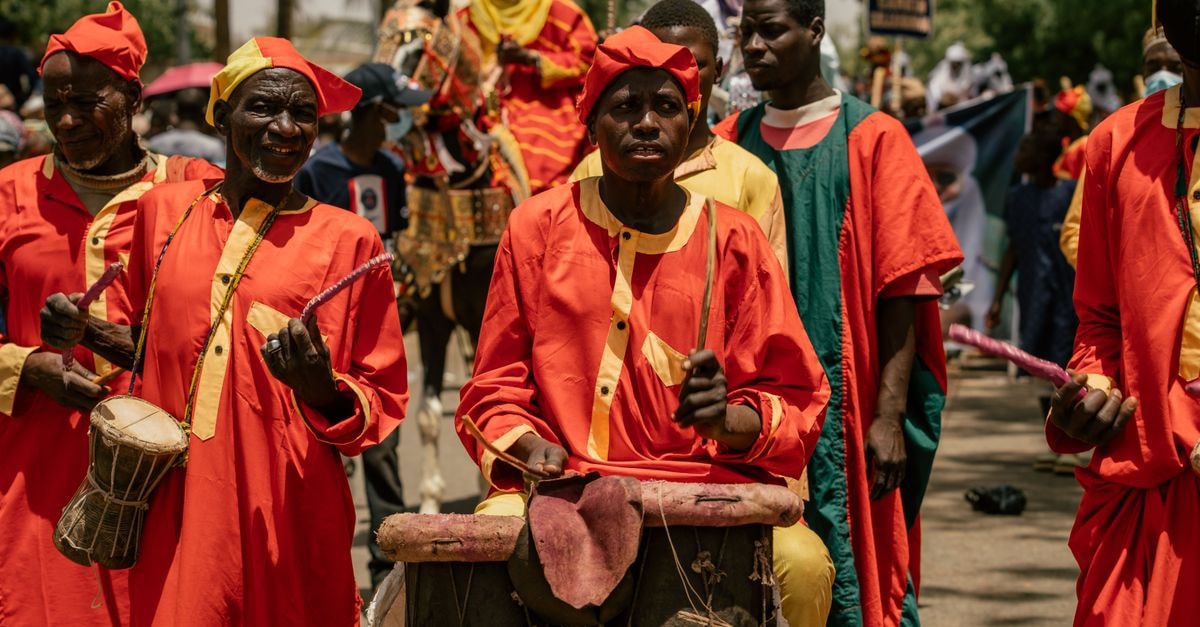
Guediawaye is not the kind of place that markets itself with a glossy lineup of named landmarks. The honest framing is that it offers a lived-in, community-driven set of experiences, anchored by cultural events and neighborhood life rather than by a fixed list of monuments.
For travelers planning around cultural programming, treat festival dates as something to verify locally each season. Editions have run in different years and the format has evolved, so confirmation through up-to-date local listings is part of the planning process rather than something this guide can lock in. The broader point holds even when the festival itself is not running: Guediawaye's cultural life is animated year-round by community collectives, and visitors who arrive curious and flexible tend to find small performances, studio visits, and neighborhood gatherings that are not formally advertised.
If you are coordinating a wider Senegal trip, Guediawaye fits naturally as a day or half-day cultural add-on to a Dakar stay rather than as a standalone base, given its position as a populous suburb of the capital. Keep plans loose, allow time for conversation, and let the suburb's own schedule shape yours.
A note on verification
Festival editions, local event lineups, and on-the-ground conditions in Guediawaye can change between trips, and the figures cited here reflect what the underlying sources state rather than a live snapshot. Before you travel, it is worth checking current event listings, local transport conditions, and any visitor information specific to your travel dates. Rates, schedules, and availability should always be confirmed through official or locally trusted channels closer to departure.
Think of this guide as a starting frame rather than a final itinerary. The best way to experience Guediawaye is to arrive with a sense of its coastal setting, its mid-century planning origins, and its community-rooted creative life, and then let the suburb fill in the details for you.
Prices, opening hours, schedules, reservation rules, and local conditions can change; verify them through official channels before departure.
Share this article
TOOLS FOR THIS PLAN
Make the Guediawaye plan measurable
Choose a tool only when it answers the next question in your trip. Your values stay in the browser, and each tool offers a route back to this planning context.