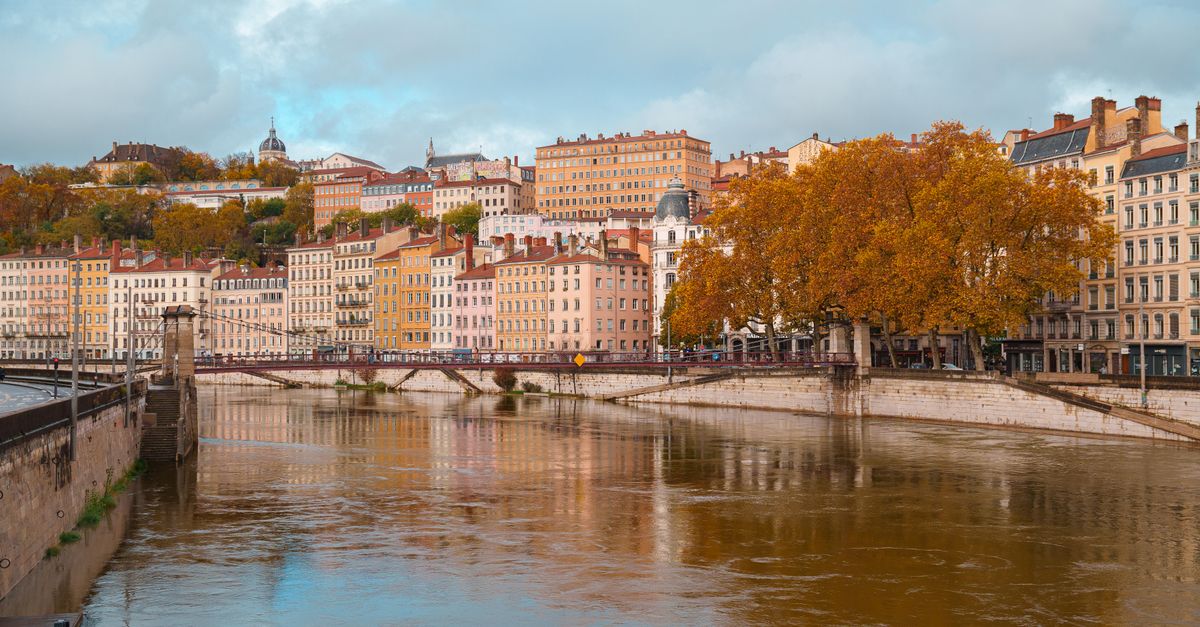
Bath is a compact UNESCO World Heritage city in Somerset, southwest England, wrapped in honey-coloured Georgian stone and built around Britain's only natural hot springs. The walkable centre stitches together Roman ruins, a 15th-century abbey, a sweep of crescents laid out by John Wood, and a working thermal spa where you can still bathe in mineral water. In midsummer it hums with open-air theatre, late-opening museums and a packed festival calendar, which is why planning matters: July is peak season for both crowds and prices.

Weather and Seasonality in July
July is statistically the UK's hottest month, and Bath sits comfortably in that band. Climate data for the city shows a July average of 16.6°C (61.8°F), with daily highs of around 20.2°C (68.3°F) and lows of about 12.7°C (54.8°F). The warmest day on the long-term average falls around 19 July, reaching roughly 21.5°C (70.8°F). Rainfall totals about 67 mm across the month, spread over roughly nine wet days, and humidity runs 75–80%, so expect mild, sometimes muggy afternoons rather than a guaranteed heatwave.
Daylight is generous: you can expect seven to ten hours of daily sunshine, with the 11–20 July window averaging around eight hours. Pack layers and a light waterproof rather than relying on sunscreen alone — even a sunny July can turn showery, and Bath's stone holds warmth that can feel stifling on hotter afternoons. Public parks, shaded canal towpaths along the Kennet & Avon toward Bathampton and the rooftop pool at Thermae Bath Spa are good escapes if the mercury climbs.
July is firmly peak tourist season across the UK and overlaps with the school summer holiday window, so accommodation and key attractions book up earlier than at any other point in the year.
Getting to Bath and Getting Around
Bath Spa station sits in the city centre with direct trains from London Paddington (around 1 hour 30 minutes), Bristol Temple Meads and other regional hubs. National Express and Megabus coach services also serve Bath, which can be cheaper than rail if you're flexible on times.
Inside the city, walking covers almost everything. The centre is compact and largely flat, with cobbled lanes that reward sturdy shoes. Local buses connect the outlying neighbourhoods (Bathampton, Larkhall, Weston, Twerton), and a Bath Zone day ticket at £6.50 covers unlimited travel after two journeys — useful for one-off trips to attractions just outside the core. Black cabs and pre-booked private-hire vehicles are easy to find; for late nights, book ahead rather than relying on street hail.
Driving into Bath is workable but rarely worth it for a short stay: narrow streets, limited central parking and busy coach drop-off zones make a car more hassle than help. Park-and-ride sites on the edges of the city are a sensible alternative if you've driven in from elsewhere in the West Country.
Things to Do and July 2026 Events
Bath's anchor sights need little introduction: the Roman Baths and the adjoining Pump Room, Bath Abbey, Pulteney Bridge (one of the world's few shop-lined bridges), The Circus and the Royal Crescent, the Jane Austen Centre, and Prior Park Landscape Garden. Allow at least two hours inside the Roman Baths, ideally more, and pair a visit with a sunset drink on the Crescent lawn or a stroll through Victoria Park.
July 2026 brings a particularly dense calendar of seasonal events:
- **Bath Summer Fayre (17–19 July):** a free, dog-friendly street festival taking over Milsom Street, Quiet Street and New Bond Street, with artisan market stalls, local food traders and live DJs. - **Summer Lates at the Roman Baths (from 20 July):** the site stays open until 10pm into August, with torchlit ruins and an after-hours drinks atmosphere. - **Garden Theatre Festival at the Holburne Museum (2–26 July):** open-air comedies including The Importance of Being Earnest and Sense and Sensibility on the museum's lawn — bring a picnic blanket.
For warm-weather activity, hire a narrowboat on the Kennet & Avon Canal, try stand-up paddleboarding and kayaking with Original Wild on the River Avon, or visit Bath on the Beach, the Caribbean-themed pop-up back at the Royal Pavilion in Royal Victoria Park for 2026. Sunset picnics on the Royal Crescent lawn or at Prior Park round out a classic July day.
If you want a single paid experience beyond the Roman Baths, the Thermae Bath Spa's rooftop pool combines Bath's signature thermal water with skyline views, and the Victoria Art Gallery and the American Museum & Gardens offer cooler indoor alternatives if the heat builds.
Tickets, Queues and Bookings
The Roman Baths is the one site where advance booking pays off most clearly. Adult tickets bought online in advance cost £25 in 2026 and include a 12-language audioguide; student and 65+ tickets are £22.50 and child (6–17) tickets £16.75, with under-6s free. A family ticket (two adults + up to four children) is £66. Walk-up tickets remain available, but on summer weekends you can expect 30–60 minute entry queues; weekday mornings, the 9am opening, or after 4pm are noticeably quieter, often with 50–70% fewer visitors than midday peaks.
If you plan to visit more than one Bath attraction in a day, the Bath Attractions Ticket (£45 adult) bundles the Roman Baths, the Fashion Museum and the Victoria Art Gallery, saving around £11 against buying separately. For the Roman Baths alone, online tickets save roughly £2 over the walk-up window price and come with a timed entry slot that bypasses the ticket purchase queue.
July-specific advice from local guides is consistent: book timed-entry tickets for the Roman Baths, Thermae Bath Spa and any touring show at The Forum well in advance. Same-day availability exists but thins quickly once the school holidays begin.
Hotels and Seasonal Booking Pressure
Bath is among the more expensive UK cities to stay in, on a par with Oxford and Edinburgh and noticeably pricier than Bristol. Mid-range hotel rates in winter run roughly £110–140 per night; in peak summer the same rooms typically climb to £160–220, a 40–60% premium over winter. Budget hotels and hostels cluster around £33–38 per person sharing, while five-star properties start around £132–165+ per person nightly for two sharing.
Booking well in advance is essential for July, especially inside the school holiday window from mid-July onward. The compact historic core has limited room supply, and the most desirable properties — boutique Georgian townhouses, spa hotels, riverside stays — fill first. If your dates are flexible, the shoulder weeks at the very start of July or the last days of August tend to balance reasonable weather with better availability.
Costs, Currency and Saving Tips
Bath's currency is British Pound Sterling (GBP, £). As a reference, recent rates place £1 at around US$1.32, but exchange rates move constantly, so check the live rate before exchanging money. Contactless and chip-and-PIN are accepted almost everywhere; carry a small amount of cash for market stalls, smaller cafés and any rural stops.
Indicative daily budgets for 2026:
- **Budget:** £85–120 per person, based on hostel or budget hotel sharing, pub and café meals, public transport and one or two paid attractions. - **Mid-range:** £185–260 per person, based on a quality 3–4 star hotel, varied restaurant dining, occasional taxis and the major paid attractions. - **Luxury:** £260–380+ per person, based on a 5-star hotel, fine dining, private transport and premium tours.
A typical three-day Bath trip, excluding travel to the city, runs roughly £255–360 per person at budget level, £555–780 at mid-range, and £780–1,140+ at luxury. These figures assume two people sharing rooms.
The most effective ways to stretch a budget: book the Roman Baths online in advance, use the £6.50 Bath Zone day bus ticket after two journeys, take advantage of the Mayor's Honorary Guides' free walking tours for orientation, and self-cater breakfasts. The Bath Farmers' Market on Saturdays is also a good stop for picnic supplies.
Safety and Practicalities
Bath is rated a low overall risk for visitors. The compact centre makes it easy to navigate on foot, even after dark on the main streets, though stick to well-lit routes late at night. Petty theft is uncommon but not absent — keep an eye on bags in the busier shopping streets, around the Roman Baths and Bath Abbey, and on crowded rail platforms. Natural hazards are limited, but Bath sits on the River Avon, so during periods of heavy rain it is worth checking the local council's flood warnings page before travelling. UK emergency numbers are 999 (police, ambulance, fire) and 112 (EU-compatible).
Standard British etiquette applies: queue politely, say please and thank you, and tip around 10–15% in sit-down restaurants where service is not already included. Casual dress is fine everywhere except the very smartest restaurants.
Local Food and Drink
Bath's food scene leans on Somerset's dairy belt and the levels around the city. A few signatures to know:
- **Sally Lunn bun:** a large, brioche-like bun served warm at Sally Lunn's Historic Eating House in the oldest building in the city, operating since the late 17th century, split and topped either sweet (cream, jam) or savoury (smoked salmon, rarebit). - **Bath bun:** a sweeter, currant-and-sugar-cube-topped bun attributed to Dr William Oliver, served at the Pump Room as part of afternoon tea or at the Bath Bun Tea Shoppe on Abbey Green. - **Bath Oliver biscuit:** a plain cracker invented by the same Dr Oliver, now widely available; chocolate-coated versions turn up seasonally. - **Bath chaps:** cured, brined pork tongue wrapped in pork cheek, a once-forgotten Somerset farmhouse dish that has returned to a few menus in the region — look for it at The Garrick's Head near Theatre Royal Bath. - **Somerset cheddar and Bath Soft Cheese:** from the Cheddar Gorge area and from Bath Soft Cheese at Park Farm in Kelston (reached on the 19 bus), whose Wyfe of Bath is a local landmark. - **Local cider:** Somerset's craft cider scene is strong; The Somerset Cider and Cheese Experience pairs it with regional cheese on guided tours.
For a one-stop cheese shop, The Fine Cheese Co., founded in Bath in 1990, stocks classic Cheddars and the Wyfe of Bath. For a sit-down meal rooted in local produce, options such as Emberwood (open-hearth cooking, butcher-supplied meats from Walter Rose & Son) and OAK Restaurant (vegetable-led, sourcing from Somerset community gardens) anchor the current dining scene, alongside the Michelin Guide-listed Olive Tree. For a short excursion from the city, The PIG-near Bath, around a 30-minute drive out, features a kitchen-garden menu sourced within a 25-mile radius.
---
Prices, opening hours, transport schedules and event details can change. Check the official websites of attractions, Bath's visitor information pages and your transport provider for the latest information before you travel.
Share this article
TOOLS FOR THIS PLAN
Make the Bath plan measurable
Choose a tool only when it answers the next question in your trip. Your values stay in the browser, and each tool offers a route back to this planning context.