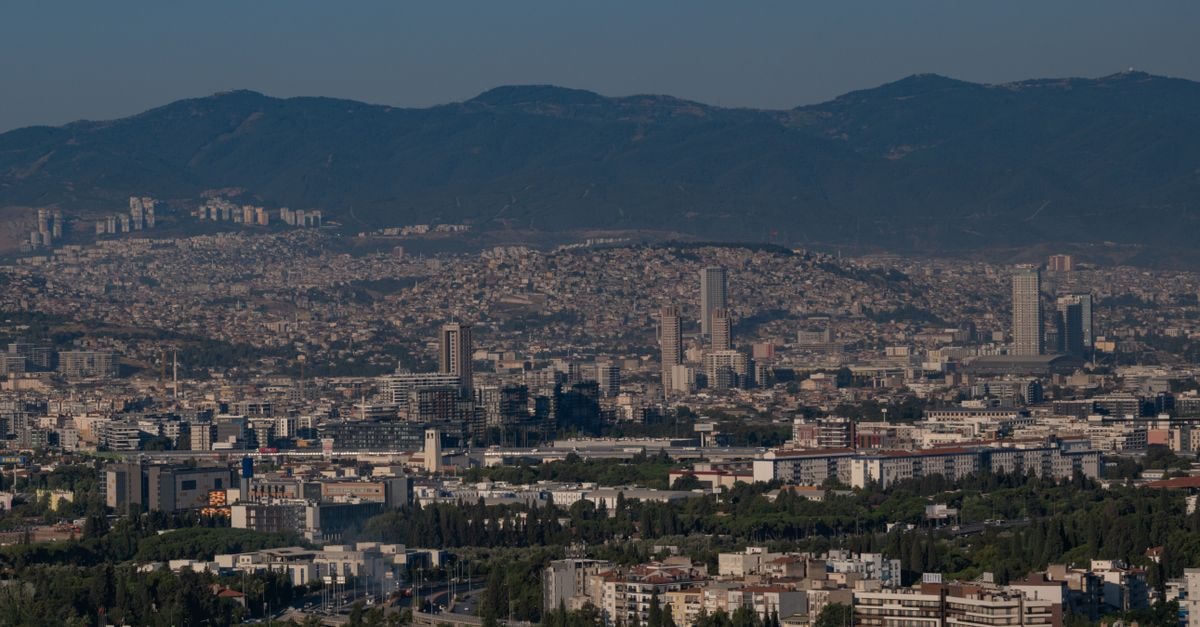
Setting the Scene: A Summer Prague

Prague in July is the city's most vibrant, most crowded and most expensive month — all at once. The capital of the Czech Republic sits on the Vltava River with a 1.3-million-strong population and one of the best-preserved medieval centres in Europe. Because the historic core was not heavily bombed in the Second World War, Gothic, Baroque and Art Nouveau architecture lines almost every street in the old town. In July the city shifts outdoors: terraces fill, riverbanks become promenades, and long evenings stretch toward a 9 p.m. sunset.
The trade-off is clear. Temperatures peak, tourist numbers peak, and accommodation prices hit their annual high. Many locals leave for holidays, which slightly thins the residential neighbourhoods but does little to soften the crowds around Charles Bridge, Old Town Square and Prague Castle. Plan around the heat, the public holidays and the queues, and July delivers one of Europe's great summer city breaks.
July Weather and What to Pack
July is Prague's hottest month. Daytime highs sit in the mid-20s Celsius — typically 20–30°C with an average near 24°C — and nights cool to a comfortable 11–16°C. Heat waves can push the mercury past 30°C for several days, and the warmest afternoons can exceed 33°C.
Rain falls almost exclusively in dramatic afternoon thunderstorms: roughly 80 mm across 13–16 rainy days in the month, concentrated in heavy 30–60-minute bursts before the sky clears for the evening. Sunshine averages about 8 hours a day. Daylight is generous — sunrise around 5:15 AM and sunset near 9 PM at the start of the month, easing to about 5:45 AM and 8:45 PM by month's end.
Air conditioning is less common than in Western Europe. Older apartments, restaurants and shops often lack it, which matters when temperatures spike.
Pack light summer clothing, comfortable walking shoes with grip for cobblestones, sunscreen, sunglasses, a hat, and a compact rain jacket or umbrella. A refillable water bottle is worth carrying — public drinking fountains exist but aren't everywhere. A light layer helps for cooler evenings or over-air-conditioned venues.
Getting Around: Trams, Metro and the New 2026 Fares
Prague's public transport — metro, trams, buses and ferries — is among Europe's most reliable. Three metro lines (A green, B yellow, C red) form the backbone, with transfer nodes at Můstek, Muzeum and Florenc. End-to-end metro journeys take about 30–45 minutes, with trains every 2–4 minutes at peak times. Trams run every 8–10 minutes in peak hours and every 10–20 minutes off-peak, with backbone routes 9, 17 and 22 at half those intervals.
From January 1, 2026, a new PID tariff applies. Short-term tickets at full adult fare:
- 30-minute ticket: 36 CZK via the PID Lítačka mobile app, 39 CZK paper - 90-minute ticket: 46 CZK mobile / 50 CZK paper - 24-hour ticket: 140 CZK mobile / 150 CZK paper - 72-hour ticket: 340 CZK mobile / 350 CZK paper
Tickets are valid on any combination of metro, tram, bus and ferry — including airport buses 59 (from Nádraží Veleslavín, metro A) and 100 (from Zličín, metro B). They must be validated before boarding unless bought via the contactless terminal inside trams. The Petřín funicular is out of service for refurbishment and is expected to return in 2026.
Night service runs roughly 0:30 to 4:30 on tram lines 91–99 and night buses; night bus 910 connects the centre to Václav Havel Airport every 30 minutes.
Festivals and Events Filling the Calendar
July brings a packed cultural calendar:
- **Bohemia Jazz Fest** — free open-air jazz in Old Town Square and other venues, mid-July. - **Letní Letná** — an international contemporary circus and theatre festival in Letná Park, running from late July into late August. Big-top tickets from around 250 CZK; many outdoor performances are free. - **Karlovy Vary International Film Festival** — held in early July in Karlovy Vary, roughly 130 km from Prague. One of Europe's most prestigious film events. - **Prague Folklore Days** — at the end of July, free public folk dance and music performances on the city's main squares. - **Prague Proms** — classical and jazz series running into July at Smetana Hall in the Municipal House, including an outdoor Hollywood Night on Wenceslas Square.
Two consecutive public holidays open the month: **July 5 — Saints Cyril and Methodius Day** and **July 6 — Jan Hus Day** (Sunday and Monday in 2026). Banks and government offices close, public transport runs on Sunday schedules, and the city fills with domestic travellers using the long weekend. Tourist sites largely keep normal hours. Arriving before July 1 or after July 8 helps you avoid the rush.
Beating the Crowds at Major Sights
Charles Bridge at midday is dense enough to slow walking to a shuffle. Prague Castle queues stretch past 30 minutes from mid-morning, and Old Town Square rarely empties.
Practical workarounds used by local guides: cross Charles Bridge before 7:30 AM or after 8 PM; enter Prague Castle through the eastern gate (from Malostranská metro) rather than the main western entrance; visit the Jewish Quarter first thing in the morning; wander Malá Strana's side streets — even in July, lanes one block off the main corridor stay calm.
The midday heat (roughly noon to 3 PM) is best spent indoors in museums or shaded restaurants. Swimming offers relief: Žluté Lázně on the Vltava (a riverside beach complex with sandy banks and a bar), Divoká Šárka (a natural gorge swimming spot) and the Podolí swimming complex all see heavy July use. Náplavka's evening riverside food and drink scene — craft beer, grilled food and live music — peaks in summer.
Where to Stay: Booking in Peak Season
July hits the top of the accommodation curve. Mid-range Old Town hotels run roughly €150–220+ per night at peak; four- and five-star properties in Old Town or with castle views climb to €150–250+. Cheapest mid-range beds (around €80–130 per night) tend to sit in Vinohrady, Nové Město and Malá Strana, all well connected to the centre by tram. Budget rooms and hostels start around €40–70 per night. Budget hotel doubles in New Town or Žižkov typically run CZK 1,400–2,200 per night.
July 4–6 and Friday–Saturday stays often price 15–30% above comparable midweek nights later in the month. Central hotels, castle tours and top river-cruise slots should be booked 2–4 months ahead. Vinohrady and Žižkov can save 20–30% versus Old Town.
Eating and Drinking on a Budget
Czech cuisine is hearty, meat-led and sauce-heavy. Pork is the foundation of most menus, often paired with dumplings and sauerkraut or cream sauce. Caraway and marjoram are the signature Czech spices.
Classic dishes:
- **Vepřo knedlo zelo** — roasted pork, bread or potato dumplings, sauerkraut. The national dish. - **Svíčková na smetaně** — beef sirloin braised in a root-vegetable cream sauce, served with bread dumplings and a dollop of whipped cream. - **Pečená kachna** — roast duck, usually with smoked-bacon dumplings and red cabbage. - **Guláš** — beef stew in paprika, onion and caraway, traditionally served with dumplings. - **Bramboráky** — marjoram-and-garlic potato pancakes, sold from street carts near Wenceslas Square. - **Smažený sýr** — breaded fried cheese, a student-bar staple.
Beer is excellent and cheap. A half-litre of Pilsner or Kozel at a local pub runs CZK 45–65 (around €1.80–2.60); the same beer at a tourist restaurant on Old Town Square can reach CZK 80–140. Local pubs often charge CZK 35–55 per half-litre.
Lunch menus (polední menu) are the best-value meal. Most local restaurants offer a two-course weekday lunch between roughly 11:00 and 14:00 for CZK 150–200 (€6–8). Dinner for two with beer at a good Czech restaurant typically runs CZK 600–900 (€24–36); at an upscale river-view venue, CZK 1,500–3,000 (€60–120).
Where to avoid: any restaurant on Old Town Square, Karlova Street or the Royal Route where a host stands outside inviting you in. These routinely charge double for half the quality. Look for the Czech Specials logo or pick venues a few streets off the main corridors.
Practicalities: Money, Safety and Tickets
The currency is the Czech Koruna (CZK), not the euro. Reference rates around early 2026 sit near €1 ≈ 24 CZK, £1 ≈ 27 CZK and $1 ≈ 21 CZK; the actual rate at your transaction will differ — check the live rate before exchanging or paying.
The simplest way to get CZK is to withdraw from a bank-owned ATM. Use a debit card where possible, choose a Czech or European bank, and always opt to be charged in CZK rather than your home currency to avoid poor Dynamic Currency Conversion rates. Avoid currency-exchange offices at the airport or in tourist hotspots. Most shops, restaurants and attractions take cards; small businesses, market stalls and some bars prefer cash — carry a small float.
Prague is generally very safe for visitors, with low violent crime. The main concern is opportunistic pickpocketing in tourist-heavy areas such as Charles Bridge and Old Town Square. Standard city awareness applies.
Tickets worth booking ahead for July:
- **Prague Castle** — 3–6 weeks ahead; morning entries and guided-language slots thin out first; early-morning and weekend tickets often run 5–15% above later same-day entries. - **Vltava evening cruises** — 2–4 weeks ahead; Friday-to-Sunday sunset departures often price 10–20% above weekday daytime sailings. - **Astronomical Clock Tower** — 1–3 weeks ahead; weekend and sunset slots fill first, often 0–10% above weekday off-hours. - **Pilsner Urquell Experience** — 1–2 weeks ahead; Friday–Saturday evening inventory often runs 5–15% above Sunday–Thursday. - **River-view and classic Czech restaurants** — 2–5 days ahead, especially after 7 PM on warm nights; some venues use minimum-spend on prime terrace tables rather than higher list prices.
Prague Castle grounds are free; building circuits run roughly CZK 250–350. Charles Bridge is free (tower entry CZK 150); Old Town Square is free (tower entry CZK 230).
For day trips, **Český Krumlov** (south, with a swimmable river), **Kutná Hora** (the bone church and St. Barbara's Cathedral), and **Karlovy Vary** (early-July film festival) all work well from Prague.
Before You Go
Rates, fares, event dates and opening hours can change. Confirm transport fares on the Prague Integrated Transport (PID) site, and check the official sites for Prague Castle, the Letní Letná festival and Bohemia Jazz Fest closer to your dates. Book central accommodation 2–4 months ahead for July to avoid peak-rate inventory disappearing.
Exchange rates shown are for reference only; check the current live exchange rate before departure. Prices, opening hours, schedules, reservation rules, and local conditions can change; verify them through official channels before departure.
Share this article
TOOLS FOR THIS PLAN
Make the Prague plan measurable
Choose a tool only when it answers the next question in your trip. Your values stay in the browser, and each tool offers a route back to this planning context.