A quiet corner of greater Muscat
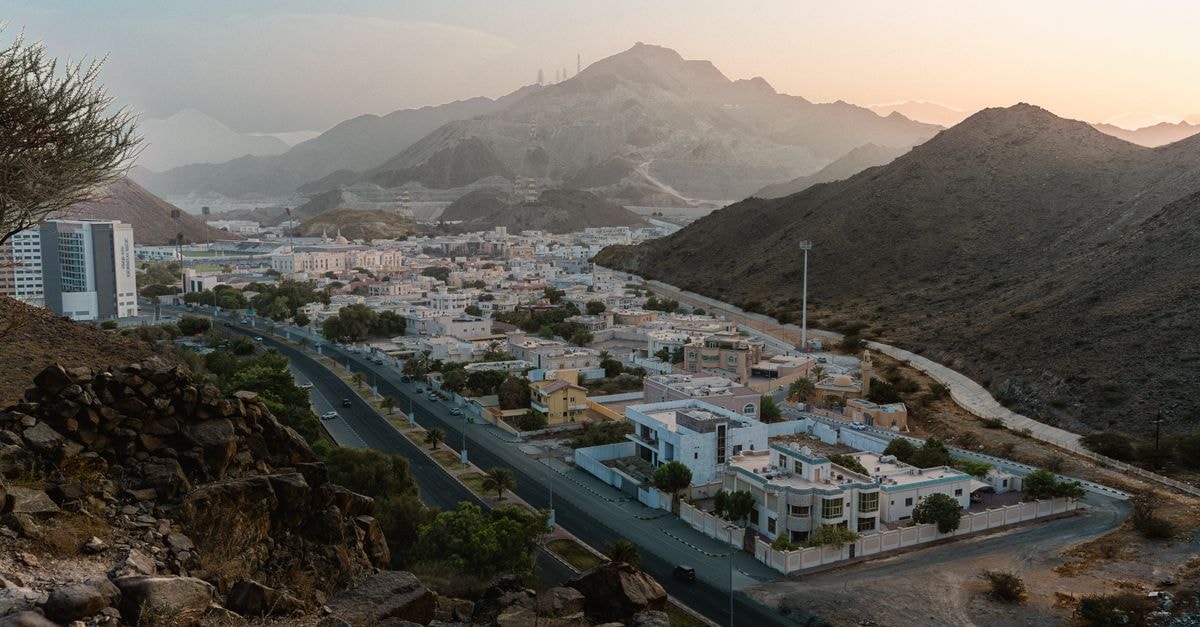
Bawshar is one of the wilayat, or districts, that make up the greater Muscat area in northeastern Oman. That single line does a lot of quiet work for a traveler: rather than arriving expecting a dense old-town quarter with souks pressed against a harbor wall, Bawshar reads as a residential wilayat where everyday Omani life plays out, and where visitors can settle into a more local rhythm before dipping into the busier sides of the capital.
The guide below stays close to what Bawshar actually offers on the ground, with a little wider Omani context folded in where it genuinely applies. It is written for travelers who prefer a calmer, more residential base and who like to use a district as a soft launchpad rather than a checklist of headline sights.
Attractions and planning
The honest headline for sightseeing in Bawshar is that the wilayat is better understood as a residential district than as a standalone sightseeing zone. Travel listings describe a Bawshar Historic Building as a named point visitors can add to a map, but the wider evidence frame around Bawshar treats it as one of the wilayat of Muscat rather than as a dense cluster of marquee attractions.
That framing actually suits a lot of travelers. If you prefer a slower morning, a residential walk, and the kind of low-key wandering that lets a place sink in before you move on, Bawshar can sit comfortably in your plan as a quieter base within the Muscat region. If, on the other hand, you want a packed day of headline sights within walking distance, you may want to pair Bawshar with other parts of Muscat rather than treat it as a self-contained sightseeing district on its own.
Food and local context
Food in Bawshar leans toward everyday, resident-friendly infrastructure rather than a tightly curated culinary trail. One of the biggest supermarkets of Oman sits here, in the form of Lulu Hypermarket, which is genuinely useful to know before you arrive. If you prefer a base where you can pick up familiar snacks, water, and quick self-catering items alongside local groceries, or you want the option of assembling a casual breakfast or a picnic without leaving the wilayat, that kind of large-format store can take a real weight off the practical side of a trip. It also makes Bawshar a sensible anchor for travelers who like a slower morning routine, a stocked minibar, or the flexibility to graze rather than sit down for every meal.
Beyond that one anchored point, Bawshar does not have a documented signature restaurant scene in the evidence available here, so it is worth treating wider Omani food culture as context you may encounter while you are in the wilayat rather than as a Bawshar-specific specialty you can plan a tasting around.
In Oman more broadly, meals can range from restaurant dining to large shared dishes served at family gatherings. That contrast is useful to keep in mind: a casual lunch at a hypermarket café or a casual restaurant and a longer, slower evening meal are both entirely normal shapes a day can take, and you do not need to chase a particular format to eat well.
When it comes to cultural texture, Oman’s official tourism material describes bargaining in traditional markets as a patient exchange based on mutual respect. If your trip takes you from Bawshar into souks elsewhere in Muscat, that framing helps set the tone: it is unhurried, polite, and built on conversation rather than pressure, and walking away is a normal part of the rhythm rather than an insult.
Arabic is the official language of Oman, and the majority of the population practices Ibadi Islam, a moderate and tolerant tradition that contributes to the country’s reputation for hospitality and openness. For a visitor in Bawshar that translates into practical everyday courtesies: modest dress in public spaces, a respectful tone, and patience with prayer-time rhythms where shops or services briefly slow down before resuming. None of this requires special preparation, but it sets the soft etiquette backdrop for a comfortable stay.
Choosing what fits the trip
Because the Bawshar evidence is light on marquee attractions and heavy on residential texture, the most honest way to plan is to decide what role you want the wilayat to play. Travelers who like a quieter, more local base, who appreciate having a major supermarket within easy reach, and who are happy to combine Bawshar with other parts of Muscat for sightseeing tend to find this setup rewarding. Travelers who want a single dense sightseeing district on foot, or who specifically want a curated culinary trail centered on one neighborhood, may want to look beyond Bawshar as the main anchor.
A useful pre-trip question, since current operating details for the Bawshar Historic Building and for Lulu Hypermarket’s everyday services can shift over time, is simply to confirm the most up-to-date opening hours and any visitor notes through the official Oman travel portal before you build the day around either.
A note before you go
Travel conditions, opening hours, and on-the-ground details change, and the practical shape of a Bawshar stay can shift between visits. Treat this article as a grounded starting frame, then cross-check current hotel listings, tour options, and any site-specific notes through official Omani channels before you finalize plans.
Prices, opening hours, schedules, reservation rules, and local conditions can change; verify them through official channels before departure.
Share this article
TOOLS FOR THIS PLAN
Make the Bawshar plan measurable
Choose a tool only when it answers the next question in your trip. Your values stay in the browser, and each tool offers a route back to this planning context.