A crossroad that still feels lived in
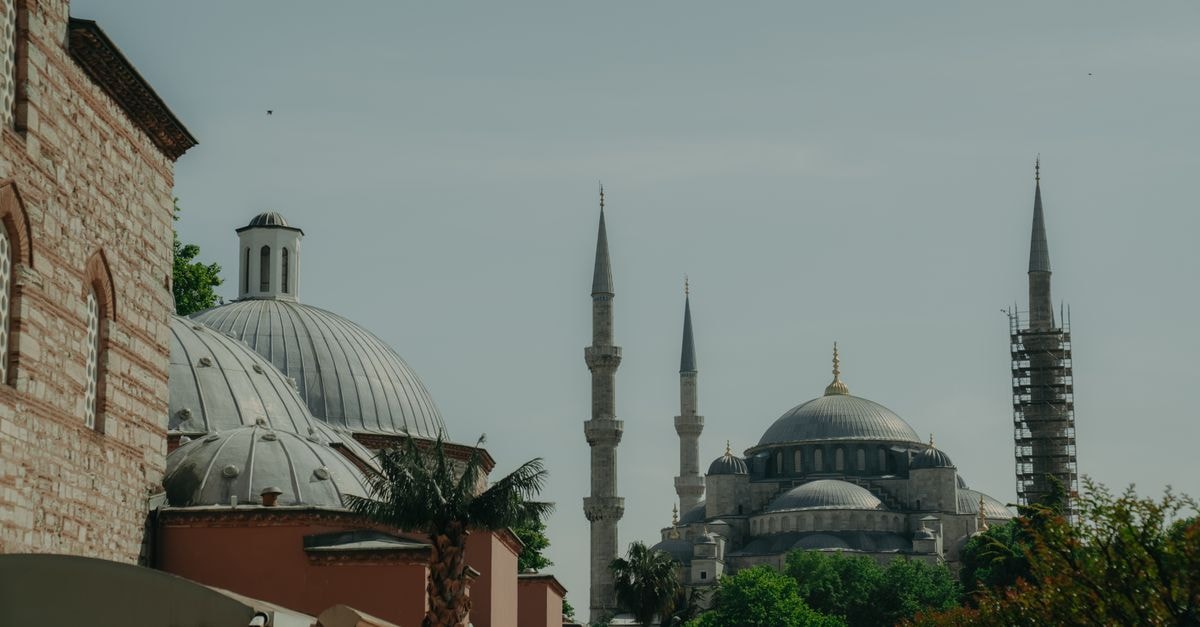
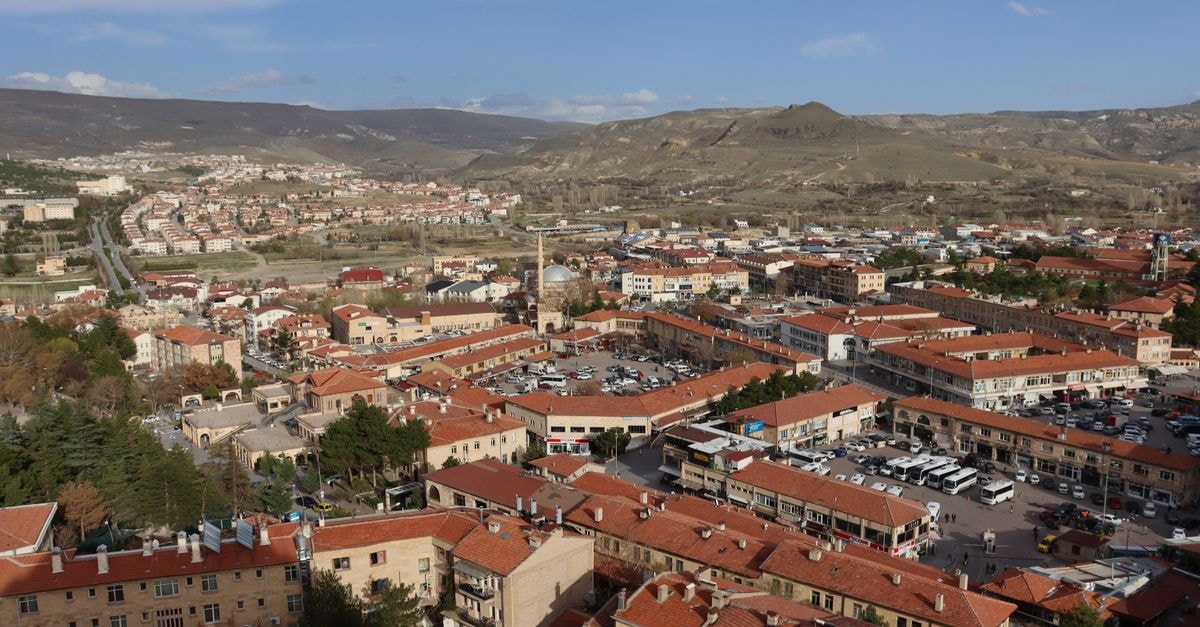
Fatih carries the long memory of Istanbul in a way that hits you almost immediately. You are walking through one of the oldest neighborhoods in the city, and the streets quietly stack up centuries: sultanate-era palaces stand beside more modern facades, and the whole district reads like a slow conversation between ancient and contemporary Turkey. There is no single landmark that defines it. The feeling comes from how the layers sit next to each other, almost shoulder to shoulder.
That quality makes Fatih the kind of place that rewards unhurried looking rather than checklist sightseeing. Travelers who like to read a city on foot, follow the texture of its streets, and let context build up gradually tend to find the most here. If your idea of a good trip is wandering until the neighborhood reveals itself, the old city gives you plenty of room to do that.
The rest of this guide leans into that pace: practical notes for moving around, what to anticipate from the wider culinary scene, and an honest acknowledgement of what is and is not settled by the time you arrive.
Weather and seasonal context
The weather story for Fatih is something to pace around rather than plan against, and a few small habits make the first visit smooth. Weather details for places like Fatih move around fast, so checking a live forecast the week of your trip is worth the few minutes it takes. Conditions on the ground are the truth you actually walk out into.
A light jacket that handles wind, a layer you can peel off when the sun finds a gap in the clouds, and comfortable shoes for uneven old pavements will serve you across more conditions than a single outfit will. If you prefer not to think too hard about your wardrobe while you walk, think in breathable layers and trust the day.
Getting around
Fatih is, at heart, a walking district. Its historical landmarks and architectural marvels are clustered closely enough that you can cover a meaningful stretch of ground without ever stepping onto public transit, and the enchantment of the place comes partly from those street-level details: the Ottoman-era buildings lining the lanes, the small viewpoints that open up between corners, and the sense that the city is unfolding at the speed of your footsteps.
That said, a few practical notes smooth the experience considerably. If you prefer to limit stair climbing in your day, planning a flatter loop through the main arteries and saving more vertical side streets for a moment when legs feel fresh may suit your pace. The neighborhood's central position, which booking pages and travel references regularly describe as central, makes it a sensible base for short trips across the Bosphorus as well as into the surrounding districts. Central positioning is a quiet advantage: it means less time spent crossing the city to reach what you came to see.
When walking stops being the right mode, Istanbul has a wider transport network that connects Fatih to the rest of the city. A loose rhythm tends to serve travelers well here. Pick a cluster of streets for the morning, settle into a long lunch somewhere along the way, and let the afternoon find its own shape. The fewer rigid transitions you build into the day, the more the neighborhood has room to surprise you.
Food and local context
Food in Fatih arrives through your nose before it arrives on your plate. The scent of traditional Turkish cuisine drifts from local eateries and bustling markets across the old streets, and the act of eating here is woven into the act of walking. Markets and small shops sit shoulder to shoulder with monuments, which means meals arrive as part of the landscape rather than as a separate event.
Country context worth keeping in mind: Türkiye's national identity is anchored in Ankara rather than Istanbul, but visitors in Fatih will feel the threads that connect the wider country. The food traditions and everyday rhythms you encounter here are part of a much larger cultural fabric that stretches across Türkiye. Knowing that gives the meals here a little more depth without locking you into any one tradition or expectation.
If you prefer to eat slowly and read the menu rather than rush between major sights, Fatih rewards that pace. Travelers who want their trip organized tightly around landmarks may find that the food constantly pulls them off schedule, in the best possible way.
Matching the trip to your travel style
A few tradeoffs are worth weighing honestly before you settle into the neighborhood. Fatih is dense, layered, and best enjoyed on foot, so travelers who prefer flat, distance-based walking should consider planning a shorter radius rather than trying to cover the whole district in a single sweep. Those who love street-level wandering will find a lot to enjoy, but a flatter morning loop paired with a more ambitious afternoon can balance the day without overtaxing tired legs.
The food culture here leans toward small, repeated tastings rather than single big meals, which suits travelers who like to graze through a day and observe as they eat. If you prefer long, structured sit-down dining, you will still find places to do that, though the rhythm of the neighborhood may pull you toward more stops.
A note before you go
This guide is built from broad context about Fatih and wider Türkiye, and not from live pricing, transit timetables, or current conditions. Practical details such as opening hours, ticket availability, and transport schedules change often in Istanbul, so checking official channels and current listings shortly before you travel is the safest way to confirm them. Treat this piece as a framework for how to approach the district, then refine the specifics once your dates are close.
Share this article
TOOLS FOR THIS PLAN
Make the Fatih plan measurable
Choose a tool only when it answers the next question in your trip. Your values stay in the browser, and each tool offers a route back to this planning context.