A First Look at Seeb

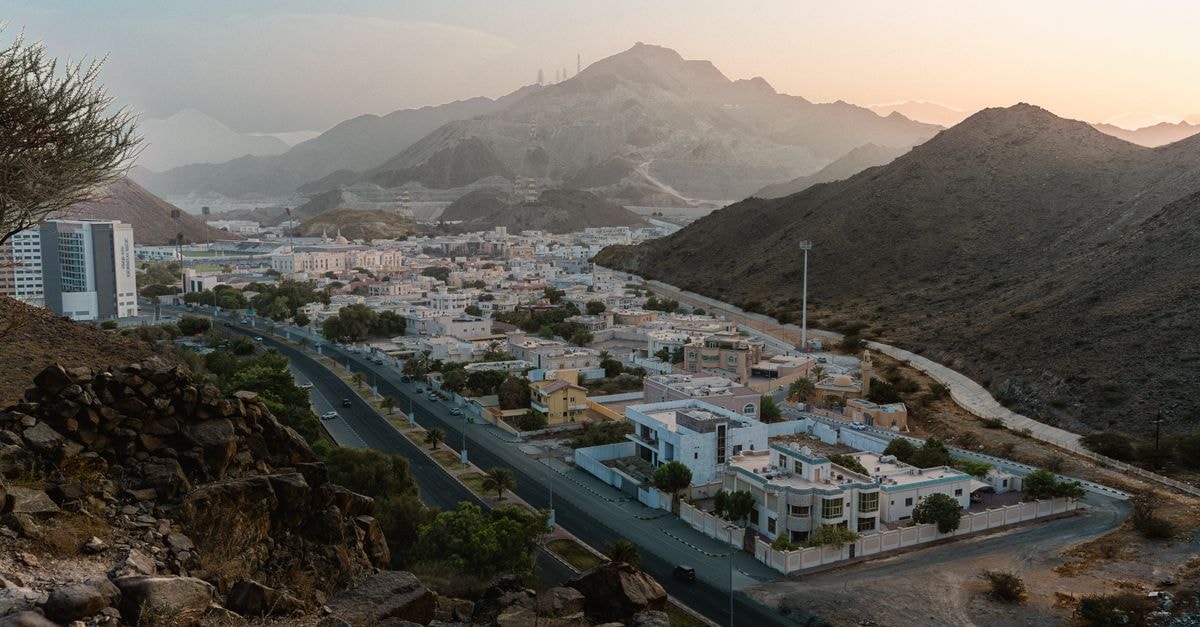
For travelers who prefer to move at their own pace and care about doing things with a little cultural awareness, Seeb can suit a relaxed base from which to explore wider Muscat. It rewards curiosity more than rushing, and it makes a calm home for the practical decisions that shape any trip: how to get around, where to begin, and how to read the room.
Getting Around
Moving around Seeb is more straightforward than it might first appear, because the city's public transport network links it to the wider Muscat area. City bus services run across Muscat, and routes specifically connect Seeb to other key districts. This is useful to know, since Seeb does not feel like a place where you must rely solely on a private driver to feel oriented.
The most relevant connection for many visitors is the route that runs between Muscat International Airport, which is located in Seeb, and central Muscat districts such as Ruwi, Al Khuwair, and Mabelah. If you land late or arrive with a day to kill before moving on, knowing that a bus can carry you toward these central hubs helps you skip the scramble for an immediate taxi. Travelers who prefer to keep their plans flexible may want to confirm the current bus schedule on arrival, since timetable details are not listed in the approved source material.
Taxis and car rental are the usual alternatives in the city, and they pair well with the bus network: ride in for a longer day, or take a bus one way and a taxi back when energy runs low. If you are sensitive to long walks between stops or to planning logistics on arrival, basing yourself near one of the bus corridors in Seeb can make the first couple of days feel lighter.
Attractions and Planning
Seeb is best approached as a base rather than a checklist, and that shift in mindset makes planning easier. The city's main claim on a traveler's attention is its position, with Muscat International Airport located within Seeb itself, which makes it especially convenient for short stays, layovers, or the first and last nights of a longer Omani trip.
For official visitor planning resources, the National Travel Operator's site is referenced as a national platform that is continuously updated with offers and information, and which is governed by a clear privacy policy. Treat it as a starting point for official offers and information rather than a final word on attractions. Because the approved source material does not list specific attractions in Seeb, this guide does not invent them; if sightseeing is the central reason for your visit, consider pairing Seeb with the central Muscat districts that the transport network connects to, and use the national site as a check-in point for current offerings.
If you prefer to slow down rather than pack the days, Seeb supports that pace well. Use the airport-side convenience for arrivals and departures, and let the bus network carry you toward the city when you are ready.
Food and Local Context
Food in Seeb sits within a wider Omani culture of hospitality and shared meals, and a little context goes a long way. According to Oman's broader cultural guidance, meals can range from everyday restaurant dining to large shared dishes served at family gatherings. That sense of the meal as a social moment, rather than a hurried refuel, shapes how many dining settings in Oman feel, and visitors to Seeb are likely to encounter it in restaurants and casual eateries.
Bargaining is also part of the wider Omani commercial culture, and official tourism material describes bargaining in traditional markets as a patient exchange based on mutual respect. If you wander into a souk-style setting while in or around Seeb, that framing is a helpful reminder that negotiation here is meant to be unhurried and friendly rather than sharp. Travelers who dislike haggling may prefer fixed-price shops and restaurants, where the question never arises.
A few broader notes on context can help visits feel smoother. Arabic is the official language of Oman, and the country's majority population practices Ibadism, described as a moderate and tolerant form of Islam linked to Oman's reputation for hospitality and openness. None of this requires a visitor to perform any rituals, but it does suggest a generally welcoming atmosphere and a culture where greetings and a calm pace are appreciated. Simple courtesies, modest dress in public spaces, and patience at mealtimes tend to be received warmly.
If you enjoy trying unfamiliar dishes, the wider Omani table rewards curiosity; if you prefer familiar flavors, the cosmopolitan nature of Muscat Governorate cities means familiar options are rarely far away.
Choosing What Fits Your Trip
A few small decisions can shape how Seeb feels day to day. Travelers who like to arrive without a plan may want to base themselves near the airport's transport corridors, since Muscat International Airport is located in Seeb and the city's bus routes connect Seeb to central districts such as Ruwi, Al Khuwair, and Mabelah. That proximity cuts the friction out of arrival and departure days. Visitors who care more about atmosphere than logistics may prefer a quieter residential pocket of Seeb, accepting a slightly longer bus or taxi ride into central Muscat in exchange for a calmer evening rhythm. Those who find long walks between stops tiring will also appreciate the value of pairing buses with short taxi hops, rather than doing everything on foot. The wider Omani culture of unhurried hospitality tends to reward a slower pace, and Seeb may suit travelers who are happy to lean into that.
A Note Before You Go
Practical travel details in any city can shift, from bus schedules and route coverage to opening hours of restaurants and visitor platforms. Treat the points above as a durable starting frame rather than a final checklist, and confirm anything time-sensitive through official channels before departure. Factual travel conditions can change, and a quick check on arrival will help your plans land smoothly.
A quick verification question worth asking before you travel: which current bus route and timetable best matches your arrival time from Muscat International Airport into central Muscat districts?
Share this article
TOOLS FOR THIS PLAN
Make the Seeb plan measurable
Choose a tool only when it answers the next question in your trip. Your values stay in the browser, and each tool offers a route back to this planning context.