A City That Whispers History

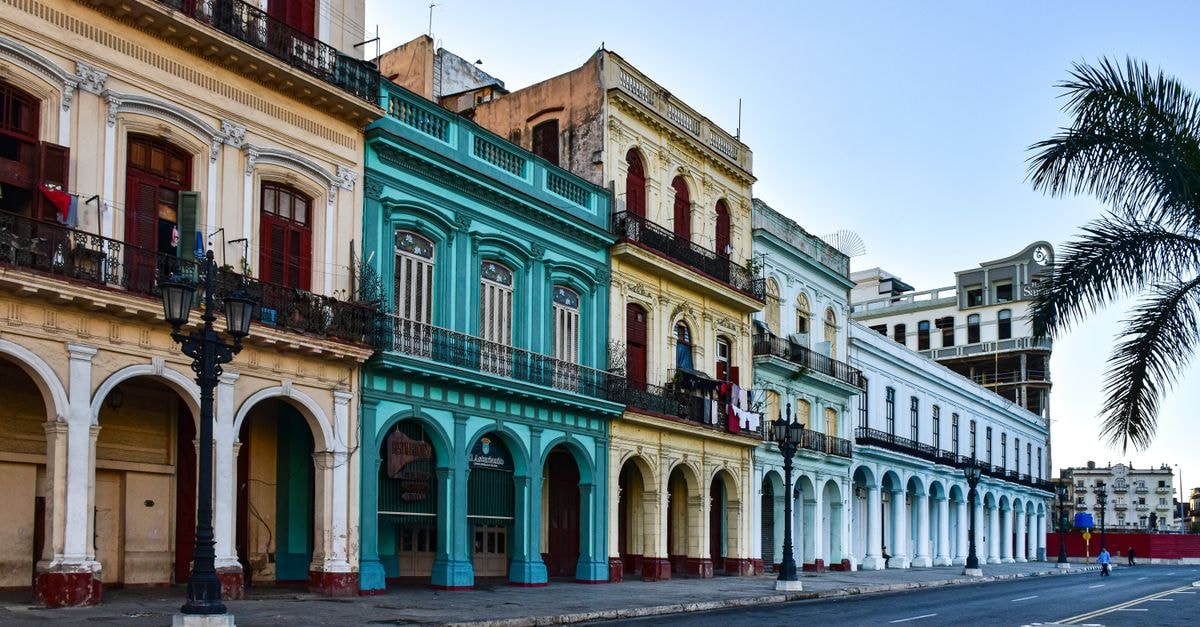
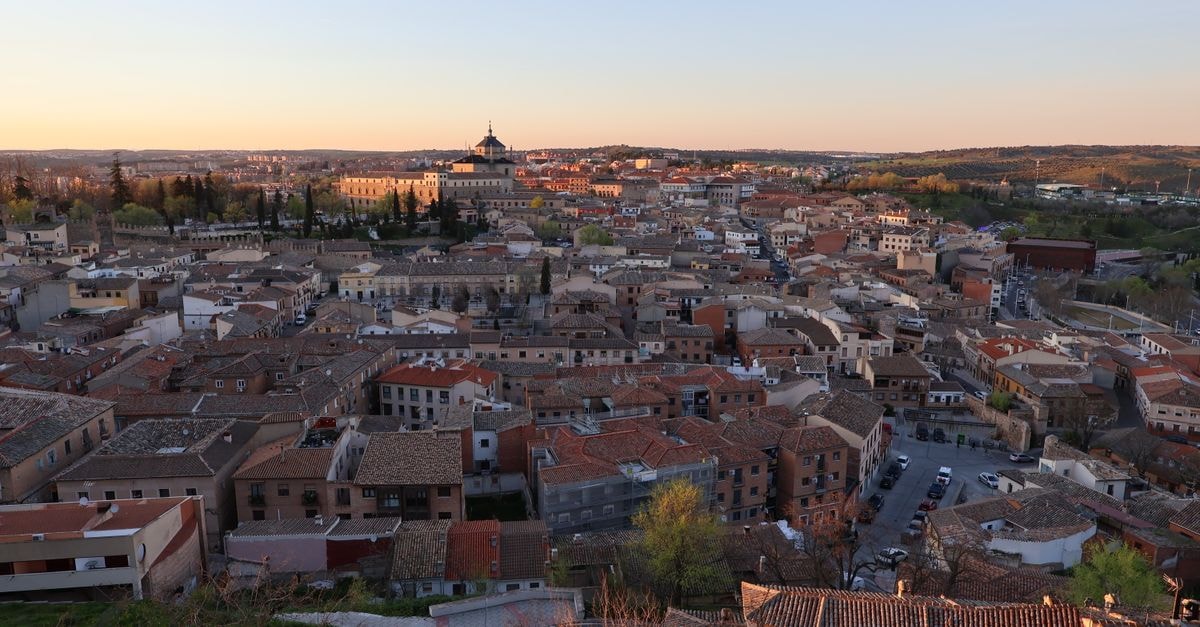
There's a particular kind of quiet that settles over Bayamo when the late sun warms its colonial walls, a stillness that feels earned rather than sleepy. Tucked into the heart of Granma Province in southeastern Cuba, Bayamo rewards the unhurried traveller with one of the country's greenest central squares, a tangle of pedestrian streets, and an easy rhythm that makes it feel lived-in rather than curated. It is the kind of place where you can arrive without a packed itinerary and still leave feeling like you met the city on its own terms.
What makes Bayamo especially appealing is its compactness. The historic core invites wandering on foot, the surrounding landscape opens up to forested hills, and the food culture reflects the wider Cuban story. This guide gathers the practical pieces you need to plan a thoughtful visit.
Getting Around
The Walkable Core
Bayamo's central area is genuinely friendly to pedestrians. The walkability score for the historic centre sits at a comfortable middle level, meaning most visitors will feel comfortable covering the main sights on foot, and the streets invite exactly that kind of slow exploration.
At the heart of the city is Plaza de la Revolución, described as one of Cuba's leafiest. Framed by pedestrian-only streets, it functions as both a gathering place and a rare pocket of calm, the kind of square where you can settle onto a bench, watch the day unfold, and feel like you've understood something essential about the place without rushing on to the next attraction.
Sierra Maestra Trails
For travellers drawn to nature beyond the city, a short drive from Bayamo opens onto the rugged beauty of Sierra Maestra National Park. The area is a haven for hikers and nature lovers, with trails winding through lush forests toward Comandancia de la Plata, once a guerrilla hideout and now a historical site offering panoramic views and a tangible sense of the region's revolutionary past. This is not a manicured park experience; it is mountain terrain that rewards preparation, sturdy footwear, and an appetite for a slower pace.
Food and Local Context
Bayamo's colonial setting finds an elegant echo in its dining rooms. Restaurante San Salvador de Bayamo is set in a splendid colonial space, one where travellers can find themselves serenaded by violins while the meal unfolds. It is the sort of place that feels like an evening event rather than a quick stop, and the colonial architecture does much of the work in setting the mood.
Beyond any single restaurant, the broader Cuban table holds stories worth tasting during your stay. Cassava bread, made from the yuca plant and rooted in Taíno tradition, remains a traditional staple across Cuba, a flat, sturdy bread that has been shaped by indigenous knowledge for thousands of years. Within the wider Cuban food tradition, the Spanish legacy shows up in seafood paellas, dishes whose roots lie in Mediterranean migration and whose flavours can be savored in every spoonful, while the sweet taste of the mamey fruit connects diners to the island's indigenous past and tends to appear wherever Cuban fruit traditions are honoured.
These flavours are part of wider Cuban culture that visitors may well encounter while in Bayamo, and tasting them offers a quiet way to read the history of the country through what ends up on the plate.
The Slower Rhythm of a Small Cuban City
Bayamo is not the place to chase a checklist. It rewards travellers who like to settle into a square with a coffee, listen for the violin notes drifting from a colonial doorway, and let the day's plans rearrange themselves around the weather and the light. Because the historic core is walkable and the pedestrian streets around the main plaza keep traffic at bay, there is room to breathe here in a way that feels increasingly rare in larger cities.
The nearby mountain trails offer a natural counterpoint. A morning in the city and an afternoon walking through the forested paths of the Sierra Maestra foothills is the kind of day that captures Bayamo's particular blend of culture and landscape. The pace, though, is yours to set.
Planning Notes
A few practical considerations can smooth the way. Walking is the simplest way to move around the central area, and comfortable shoes will serve you well whether you're pacing the plaza or heading toward the trails. For excursions to the national park, plan ahead for transport, water, and shade, as the mountain environment is rugged rather than polished.
Factual travel conditions can change, and official channels should be checked before departure. Local tourism offices, accommodation hosts, and updated guide resources are the most reliable sources for current opening hours, transport availability, and entry requirements.
If you arrive with patience and curiosity intact, Bayamo tends to return the favour.
Share this article
TOOLS FOR THIS PLAN
Make the Bayamo plan measurable
Choose a tool only when it answers the next question in your trip. Your values stay in the browser, and each tool offers a route back to this planning context.