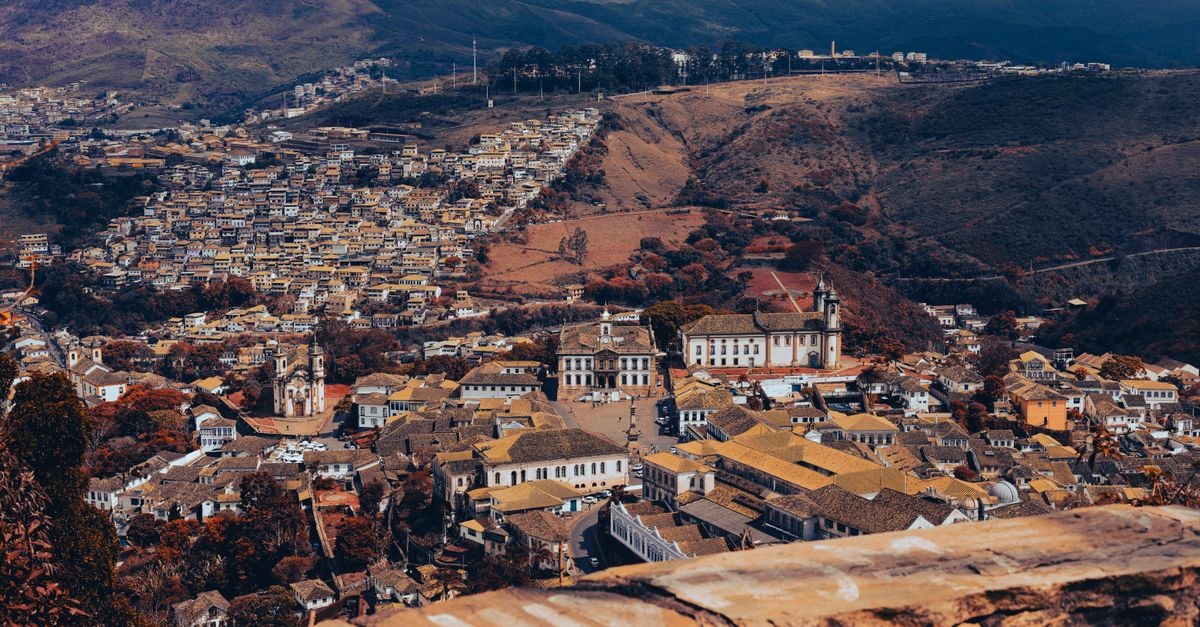
A quiet provincial capital with an outsized reputation

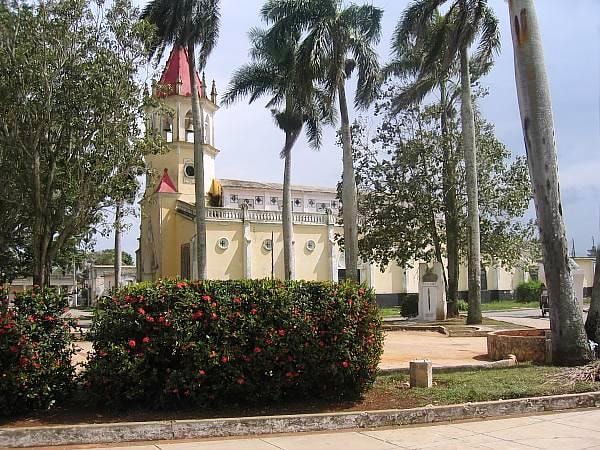
What makes this place interesting is the way two identities overlap. On one side, it is a working Cuban city with a tree-lined center, a recognizable parish church, and the steady hum of traffic from the country’s main road arteries. On the other, it carries a reputation as a cradle of Cuban athletic talent that genuinely precedes it. That contrast, the calm everyday rhythm paired with the pride of sporting tradition, gives San José de las Lajas a flavor that feels distinctly its own.
Weather and seasonal context
San José de las Lajas sits in the warm, humid belt of western Cuba, and visitors tend to find the climate gently demanding for much of the year. Because temperature and rainfall vary over the seasons, the city can feel quite different depending on when you arrive. The most rewarding approach is usually a slow-paced day: a relaxed morning stroll, a long lunch in the shade, and any outdoor plans reserved for the cooler late afternoon. Light, breathable clothing, a refillable water bottle, and quick-dry layers tend to earn their space in any suitcase.
The weather context ties closely to why so many of Cuba’s elite athletes end up training in and around the city. The National Institute of Sports, located in San José de las Lajas, is a major reason the city has produced more championship athletes per capita than any other place in Cuba. Stable, predictable climate and purpose-built facilities make it a year-round training environment rather than a seasonal one. For visitors, that means the city’s sporting culture is something you can observe and engage with at any time, even if you are not here during a specific competition.
Getting around
San José de las Lajas is unusually well connected for a city of its size, which is one of its underrated advantages as a stop. The Central Highway runs directly through the city, and the National Thruway is also close by, putting the provincial capital in a central road position. For travelers moving through the area by road, this location means the highway itself is the main reference point for getting oriented.
Within the city itself, movement is straightforward. The center is compact enough that a short walk takes you past recognizable landmarks, including the parish church that gives the city part of its name. Drivers and riders passing through will notice the Central Highway as the main reference point; almost everything useful in the urban core radiates out from it. Because the city is bisected by this major route, it is worth pausing to get oriented on foot before hailing a local ride, so you know which side of the highway you are aiming for.
Food and local context
Eating in San José de las Lajas is, in practice, an extension of eating anywhere in Cuba, and that wider food culture is well worth understanding before you arrive. One staple that surfaces repeatedly across the country is casabe, the traditional Taíno cassava bread made from the yuca plant. Yuca has been cultivated in the western hemisphere for thousands of years, and casabe remains a beloved, durable bread that travelers often encounter in markets, family kitchens, and roadside stops. Tasting it once is a quiet way to connect with the island’s deep indigenous roots.
Spanish influence runs just as strongly through everyday Cuban plates. Seafood paella, a legacy of Iberian cooking brought across the Atlantic and adapted to Caribbean ingredients, is a flavor many visitors associate with grandmothers’ kitchens and celebratory tables. Pairing it with something sweet and local, such as the tropical mamey fruit, often bridges the meal back to the country’s pre-colonial past, since mamey ties Cuban cuisine to its indigenous heritage.
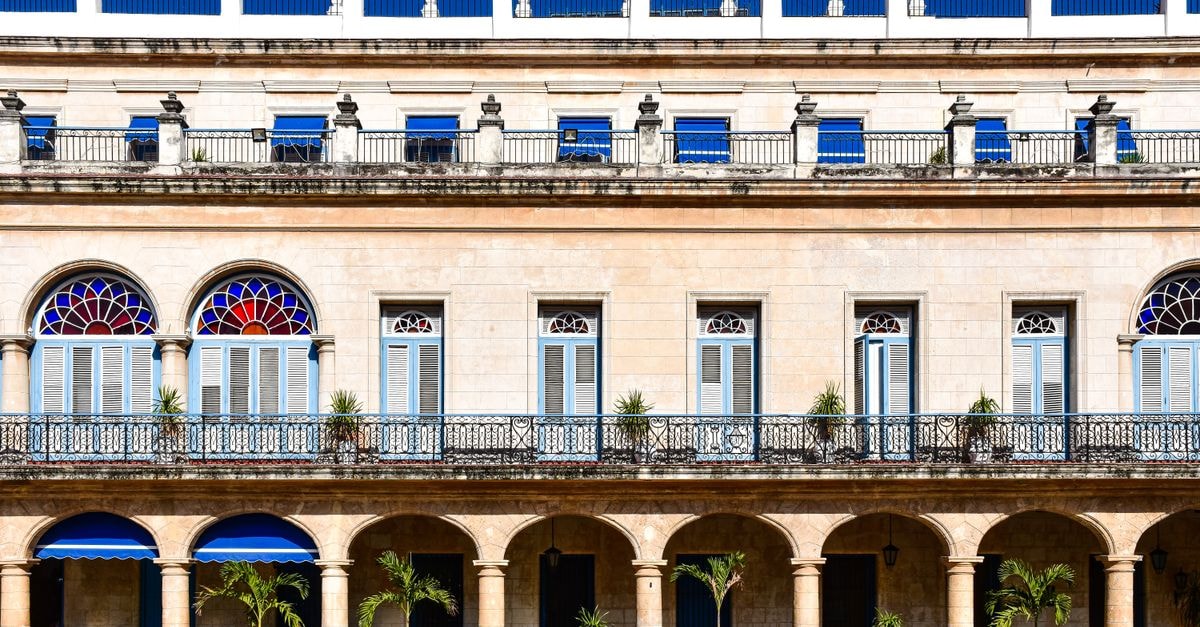
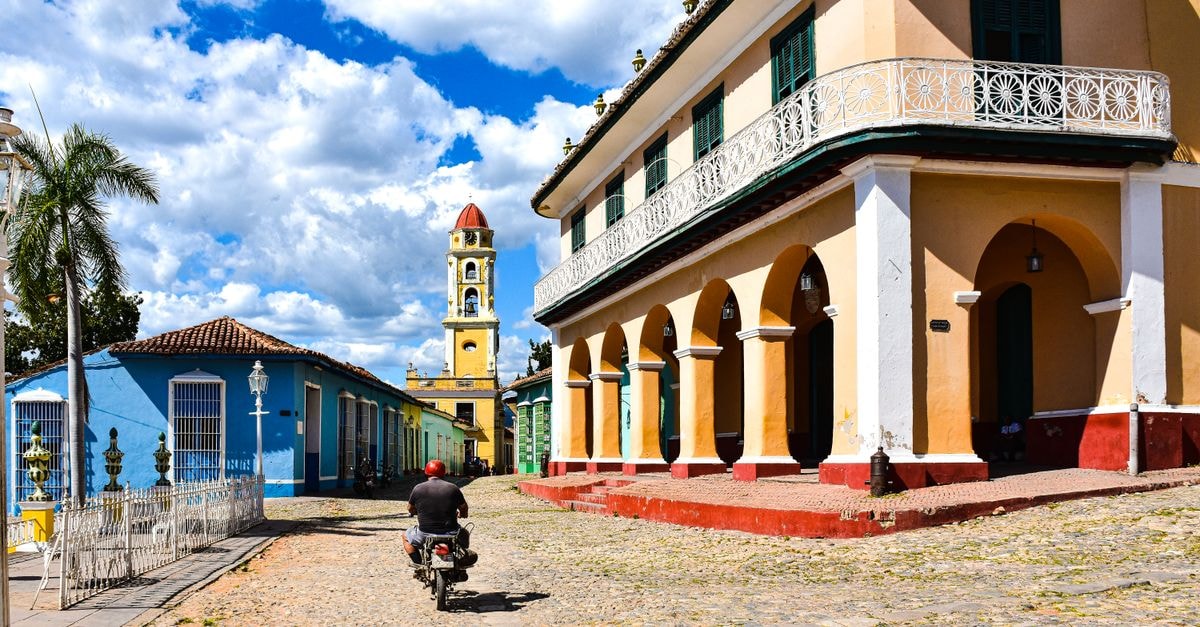
Broader Cuban food culture is inseparable from the country’s larger story of colonial architecture, classic cars, and layered history. Travelers tend to enjoy meals here more when they treat the experience as part of the journey, rather than rushing between attractions. Sit longer than you think you need to, ask what is fresh that day, and let the menu guide you toward what the kitchen is genuinely proud of.
What the city’s sporting legacy looks like up close
It is worth lingering on the athletic identity of San José de las Lajas, because it is genuinely unusual. The presence of Cuba’s National Institute of Sports, where many Olympic athletes train, means the city is not just a provincial capital but a working high-performance hub. Visitors who walk around the city’s sporting facilities or simply observe the everyday culture will quickly notice how much physical training, school athletics, and community sport are woven into local life.
The numbers behind that reputation are striking. San José de las Lajas has produced more championship athletes per capita than any other place in Cuba, a claim that locals tend to mention with quiet pride rather than fanfare. For travelers, this opens up an unusual kind of cultural tourism: you can pair a visit to the urban core with an appreciation of the training grounds, the sports schools, and the everyday habits that turn a small city into a national talent pipeline.
Practical tips for visiting
A few grounded tips tend to make a visit smoother:
- Build a slower day than you think you need. Between the warm climate, the unhurried local pace, and the appeal of simply watching life unfold around the parish church and Central Highway, rushing through San José de las Lajas tends to work against you. - Lean on the city’s central road position. It is bisected by the Carretera Central, with the National Thruway also close by, which makes orienting yourself by highway the simplest approach to moving around. - Talk to locals about sport. Whether at a paladar, a park bench, or near the National Institute of Sports, conversations about athletes and training culture tend to be one of the most rewarding ways to understand the city.
A note before you go
With that in mind, San José de las Lajas rewards the traveler who arrives curious and unhurried. A modest city by population, a crossroads by geography, and a powerhouse by athletic reputation, it offers a side of Cuba that is easy to miss but hard to forget.
Prices, opening hours, schedules, reservation rules, and local conditions can change; verify them through official channels before departure.
Share this article
TOOLS FOR THIS PLAN
Make the San Jose de las Lajas plan measurable
Choose a tool only when it answers the next question in your trip. Your values stay in the browser, and each tool offers a route back to this planning context.