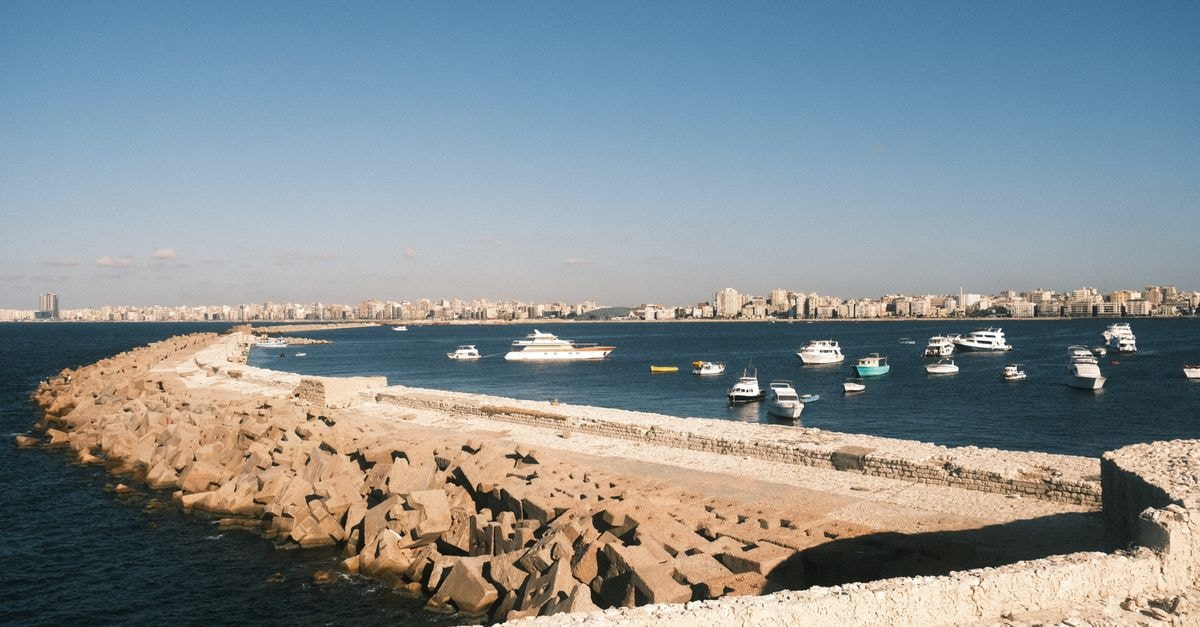
Setting the scene on the Angolan coast

There is something quietly magnetic about Benguela. Set along the Atlantic and framed by swaying palms, it carries the easy rhythm of a provincial capital that still feels close to the sea. Golden sands stretch along the shore, and the city blends a layered cultural heritage with the kind of wide-horizon coastal scenery that rewards unhurried wandering.
If you are looking for a slower alternative to busier West African capitals, this Benguela travel guide gathers the city-level details that matter: how the seasons tend to feel, how locals and visitors tend to move around, what draws people to the historic core, and how the wider Angolan table shapes meals here. Think of it as a starting framework you can refine once you arrive and compare notes with locals.
Weather and seasonal context
Benguela sits within Angola's broader dry-season window, which typically runs from May through October. That long stretch is generally considered the most comfortable time to travel in the province, when skies are clearer and humidity tends to ease. For visitors, the practical takeaway is that a trip during this window can feel easier to pace: long beachfront strolls, unhurried heritage walks, and relaxed afternoons in town tend to sit naturally within the day's rhythm.
Because seasonal facts in the ledger point to a climate pattern rather than a specific dated forecast, treat this as gentle context rather than a guarantee. Pack for warm coastal weather, keep a light layer for breezy evenings by the Atlantic, and let the day breathe. Whenever you travel, it is worth checking a current forecast close to departure so you can plan around any unexpected rain or wind along the coast.
Getting around
Benguela's transport landscape is refreshingly straightforward. The city does not feature cable cars, funiculars, or other unusual mechanical local transport systems, so you can leave those transit fantasies at home. Walking, taxis, and road-based options cover most short-to-medium journeys within the urban core, especially around the waterfront and the central heritage areas.
For longer journeys, the Benguela Railway is a feature worth knowing about. It offers a scenic way to cover longer distances and adds a memorable layer to a trip, especially for travelers who enjoy watching Angola's landscapes roll past the window. If you choose the railway as part of your plan, build in flexibility: longer scenic trips pair well with relaxed evenings on either end, and they let you arrive with stories rather than rushing between stops.
A practical tip: because the city is laid out along the coast and around its historic landmarks, orienting yourself on foot in the central zones is often the most rewarding approach. Use taxis for the stretches that fall outside a comfortable walking radius, and consider the railway for the longer scenic leg of your trip.
Attractions and planning
The city's identity is shaped by a simple pairing: a coastline defined by golden sandy beaches such as Praia Morena, and a historic core that speaks to Angola's complex past. Palm shade, sea breezes, and heritage architecture sit comfortably close together, which makes Benguela easy to explore without rigid scheduling.
One landmark that often anchors a heritage-focused visit is the Church of Our Lady of Pópulo, a historical church that offers a window into Angola's rich and complex history. It is the kind of stop that rewards slow attention rather than a quick photograph. Visiting earlier in the day can feel calmer, especially if you want to take time reading the plaques, observing the building's proportions, and letting the surrounding streets settle around you before the city fills in.
When planning your days, resist the urge to over-stack your itinerary. The coast invites long conversations on the sand, and the historic areas invite wandering. A loose plan that pairs one anchor landmark with time to absorb the surroundings tends to feel more rewarding than racing through a checklist. As always with travel, verify opening details locally before you set out, since hours and access can shift.
Food and local context
Benguela's dining scene is characterized by a blend of Angolan tradition with Portuguese colonial influence and fresh Atlantic seafood, which gives the city a distinctive coastal-meets-continental character at mealtimes. That blend is part of the broader Angolan culinary story, shaped by centuries of exchange between local cooking, Portuguese settlers, and the rhythms of the Atlantic.
If you eat well once in Benguela, let the rhythm of the meal match the city: unhurried, social, and anchored by the sea. A simple approach, ordering what is fresh that day and asking your hosts or restaurant staff what they recommend, usually leads to the most satisfying experience.
A few parting notes for travelers
A few general reminders before you go. Factual travel conditions can change, so treat the guidance above as a starting framework rather than a fixed plan. Confirm transport schedules, attraction opening details, and any current local advice through official channels before and during your trip. Rates, where relevant, are reference points only and should be checked against live conditions on the ground.
Most importantly, let Benguela's coastal character set the tone. It is a city that rewards slow mornings, generous meals, and time spent between landmarks rather than ticking them off in a rush. Arrive with that mindset, and the city tends to meet you halfway.
Factual travel conditions can change; verify details with official sources before departure.
Share this article
TOOLS FOR THIS PLAN
Make the Benguela plan measurable
Choose a tool only when it answers the next question in your trip. Your values stay in the browser, and each tool offers a route back to this planning context.