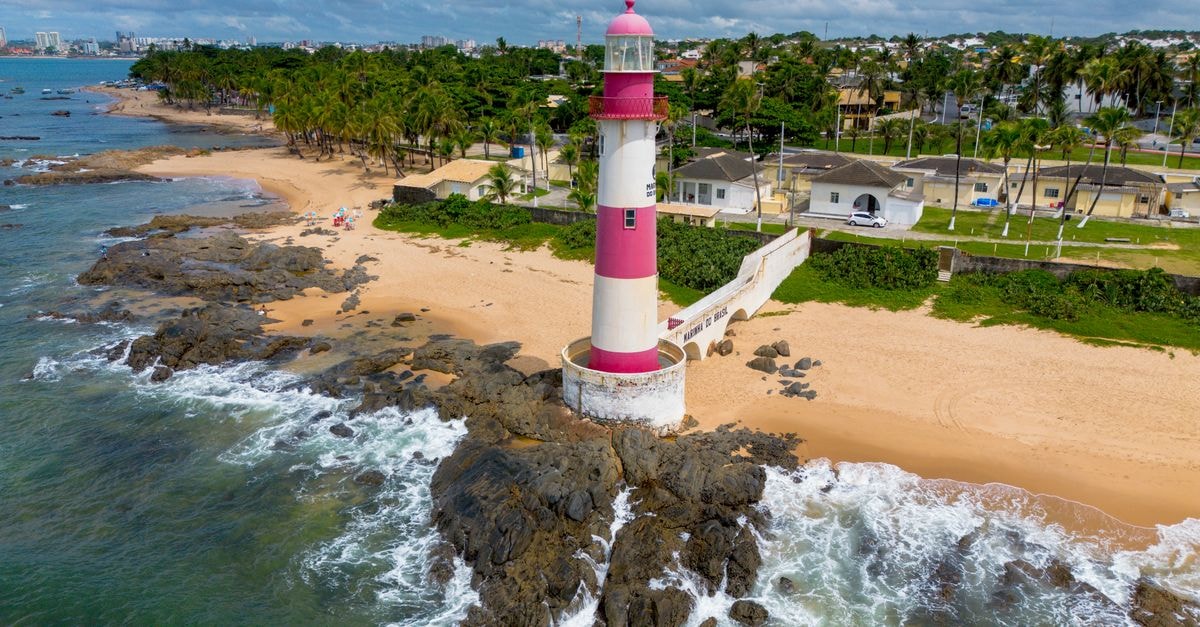
A bay, a sandspit, and the feeling of the place

Lobito sits on Angola's Atlantic coast, and the first thing travelers tend to register is atmosphere. The breeze carries a curious mix of diesel and jasmine, and the long seafront promenade is lined with paprika-colored warehouses that look out over the water. Down at the edge, fishermen stitch ochre nets while kids boot scuffed footballs along the walkway. That mix of working port and lived-in shoreline is the city's defining texture, and it shapes how a visit unfolds more than any single landmark does.
What gives Lobito its shape geographically is a long, narrow sandspit called the Restinga peninsula, which curls out into the Atlantic and separates the open ocean from Lobito Bay. The city grew around that harbor, and the relationship between the bay, the spit, and the seafront is what you instinctively navigate by once you start walking. Beaches run along the ocean side, the bay side holds the port, and the warehouses and promenade sit between them. Getting your bearings is largely a matter of learning to read that one elegant geography.
Weather and seasonal context
The ledger for Lobito does not give hard temperatures or a verified current-condition reading, so this guide stays deliberately quiet about specific numbers. What the evidence does support is the felt sense of being at the coast: a steady breeze rolling in off the Atlantic, the softness of morning light on the warehouses, and the way the long beaches and open bay shape the pace of the day. Travelers who like to be outside a lot will tend to drift toward early mornings and late afternoons, when the sun is lower and the sea breeze does the most work.
Because the climate picture here is a long-term one rather than a specific reading, the safest approach is to plan with flexibility. Layered, breathable clothing helps in any season, since coastal Angola can shift between warm sun and a cooler wind off the water. A light cover-up is useful in the evenings, and sun protection earns its place during the middle of the day. Treat the harbor and the Restinga as places to wander at a relaxed pace rather than to rush through, and let the breeze set your rhythm.
Lobito is famous for its bay, its long beaches, and that historic Restinga peninsula, and visitors tend to feel that combination most strongly when the light softens. The wide-angle view of water, sand, and old warehouse architecture is the city's visual signature, and it rewards unhurried looking. If you are someone who enjoys reading a place through its setting rather than its checklist, Lobito's shoreline is the headline attraction in its own right.
Getting around and the port-city rhythm
Lobito is, first and foremost, a port city, and that identity is visible everywhere you walk. The port is one of the most important in Angola and acts as a key export point for minerals and goods, which is part of why the old warehouses still stand tall along the waterfront. You do not need to visit the working port to feel its presence; the freight, the cranes, and the heavy vehicles shape the sound and the tempo of the central districts. Expect a working harbor atmosphere rather than a polished tourist waterfront, and lean into that rather than resisting it.
The city is also the western endpoint of the Benguela Railway and of the broader Lobito Corridor, a trade route that connects Angola's coast with mineral-producing regions deep inside central Africa. For travelers, that rail-head identity is more of a context than an activity, but it explains why Lobito feels like a crossroads even when you are simply watching containers move at the docks. It also explains why certain corners of the city have an industrial scale that you would not necessarily expect from a coastal town of its size.
Getting oriented is mostly a matter of learning the relationship between three things: the bay, the Restinga, and the seafront promenade that ties them together. Walking is the most rewarding way to read the city, because the warehouses, the fishermen, and the curve of the harbor only really make sense in motion. For longer distances and any health needs, it is worth knowing that Clínica Sagrada Esperança is the facility preferred by the city's expatriate community, which makes it a reasonable reference point if you are asking locally for medical care. For everyday logistics like transport options, schedules, or payment habits, check locally on arrival rather than assuming; the approved evidence does not give current details, and conditions on the ground can change.
Practical notes for a low-key visit
Lobito rewards travelers who arrive with a flexible plan rather than a packed schedule. The bay, the Restinga, and the seafront promenade between them can easily fill a slow day of walking, looking, and stopping for coffee or cold drinks. Because the city is spread along the coast and around the harbor, give yourself time to move between the bay side and the ocean-facing beaches on foot if the distance suits you, or settle on one side as a base and explore outward from there.
Because the approved evidence for this guide is anchored on Lobito's harbor setting, its port-and-railway identity, and the geography that ties them together, certain kinds of practical detail have intentionally been left out. Things like opening hours for specific venues, current ticket prices, restaurant menus, day-trip options beyond the city, and live transport schedules are not in the ledger and should be confirmed locally before you rely on them. Currency exchange rates move constantly, so if you do exchange money, treat any figure you see as a reference only and check the live rate on the day.
The honest way to describe Lobito, given what is verified, is as a working Atlantic port with a striking bay, a long Restinga peninsula, and a waterfront where old warehouses, fishing nets, and a steady ocean breeze all share the same stretch of promenade. Visitors who enjoy cities with a strong sense of place, where geography and industry are visible rather than hidden, tend to feel at home here quickly.
A final verification note: travel conditions can change, and details such as transport options, opening hours, and local services in Lobito should be confirmed through official or locally trusted channels before you travel or make plans based on them.
Prices, opening hours, schedules, reservation rules, and local conditions can change; verify them through official channels before departure.
Share this article
TOOLS FOR THIS PLAN
Make the Lobito plan measurable
Choose a tool only when it answers the next question in your trip. Your values stay in the browser, and each tool offers a route back to this planning context.