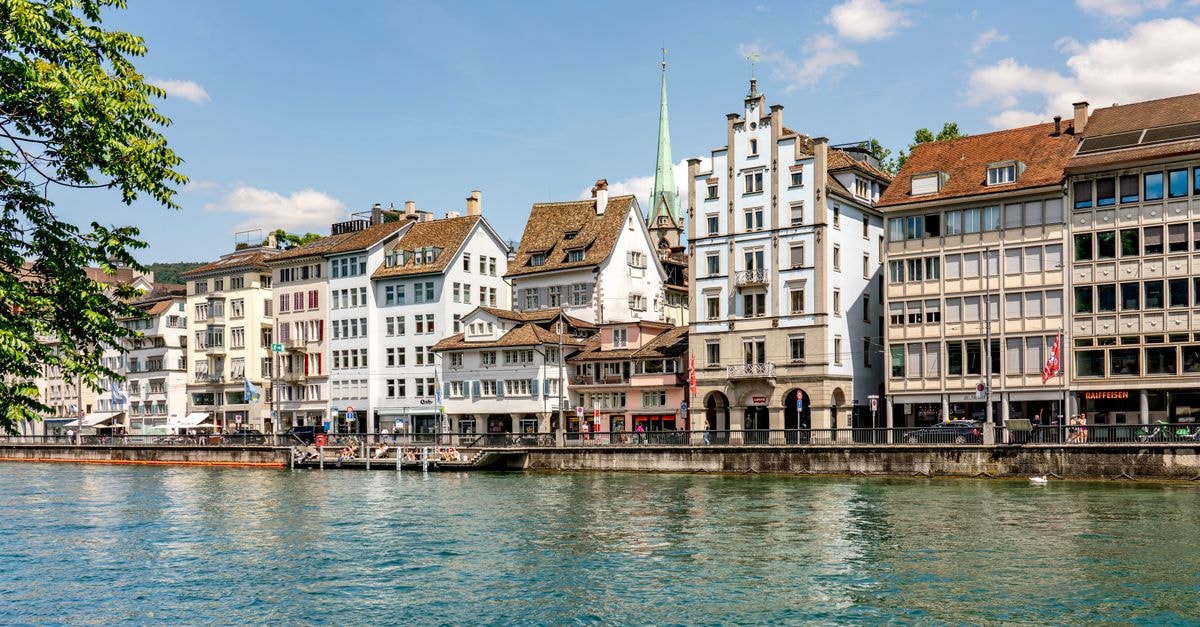
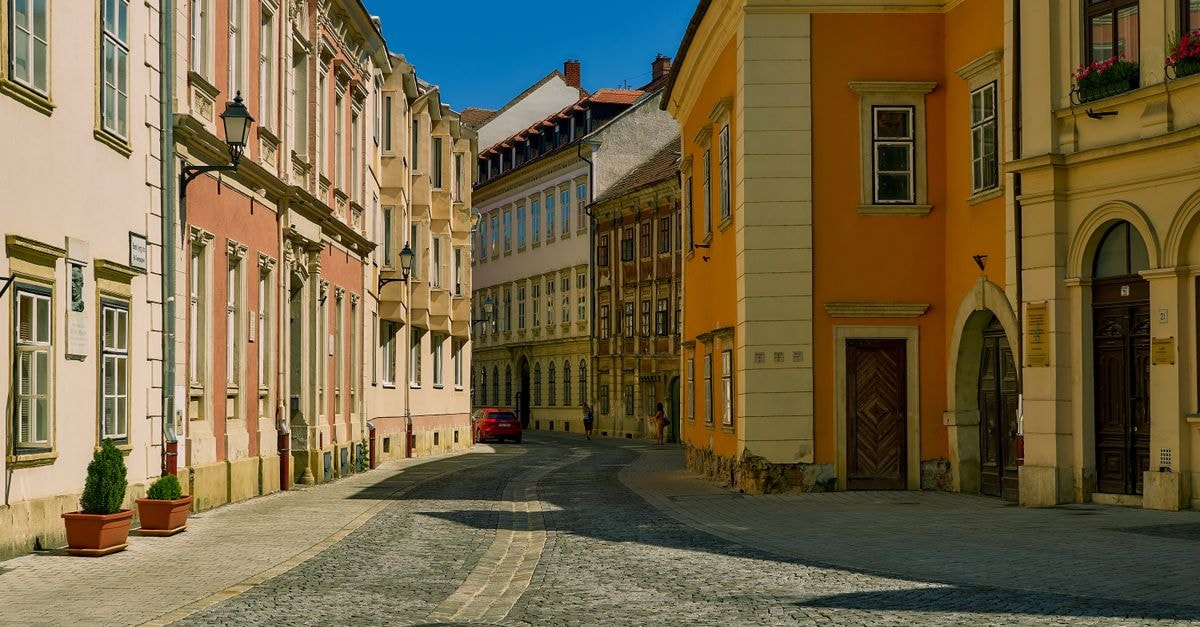
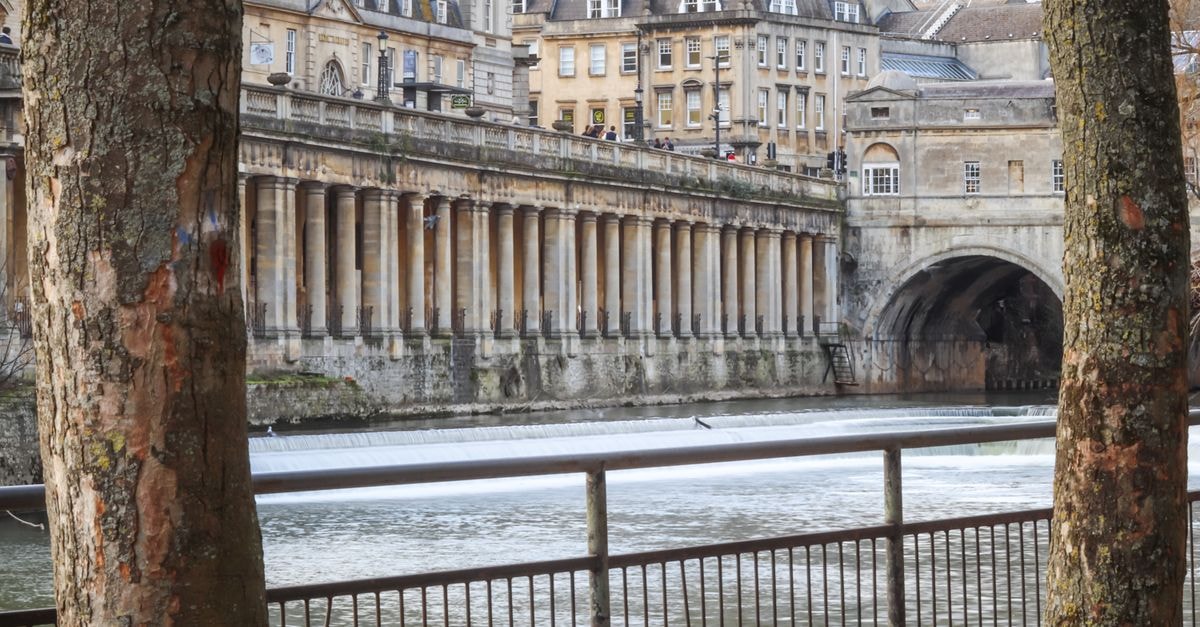
There's a particular pace that suits Bern, one built around long mornings, a slow drift between sights, and the kind of afternoon where the river does most of the work. This guide is built for travelers who already know what a Swiss city break can feel like and who want to plan a Bern visit without overloading the days. Think of it as the practical scaffolding: how the seasons and events tend to shape the calendar, and how the city invites you to move between old stone streets and the cooling stretch of the Aare.

Weather and seasonal context
Bern wears the weather gently. The official visitor pages frame the city around the idea that there is something on offer in every season, and that regional events help shape the rhythm of any stay. Rather than chasing a single forecast window, it helps to think in terms of what the calendar is likely to throw at you.
The visitor pages group the city's headline events together, naming the "Zibelemärit" (Onion Market), the Gurtenfestival, and the Slowup as the kind of highlights visitors tend to plan around. That single sentence is useful, because it tells you the city is event-led rather than attraction-led. Whatever your travel style, it is worth checking the current event calendar before locking in dates, since these are the moments when hotels, transport, and atmosphere can all shift in the same week.
The same visitor messaging takes a deliberately soft tone with the seasons: Bern is presented as a place with a different flavor depending on when you arrive, but never as a place with a wrong season. Pack with that in mind. A light layer that handles a cooler river breeze, a compact umbrella for short showers, and shoes that can move from cobbled streets to a grassy festival hill will carry you through most of what the calendar can offer. If you are visiting during one of the named events, expect the city to feel a little fuller in the old town and along the main tram corridors, and plan your sightseeing to either lean into that energy or quietly step around it.
Getting around
Bern is compact enough that you will mostly be choosing between two modes of movement: your own feet, and the river. The Switzerland Tourism overview of Bern leans into exactly that contrast, noting that between the city's sights you will also find plenty of nature and a chance to refresh yourself on the River Aare. That single framing covers most of how visitors actually get around.
Within the old town and the surrounding neighborhoods, walking is the default. Streets are short, gradients are gentle, and the main cultural anchors are clustered close enough that a single morning on foot will cover a meaningful slice of the city. When a destination sits a little further out, the local tram network fills the gap cleanly, and most of the key corridors are designed with visitors in mind rather than commuters alone. The rhythm that tends to work best is to walk through the denser historical core, then let public transport handle the longer hops, then return to the river as a kind of natural punctuation mark.
The Aare is not just a view, it is a route. On warm days the current becomes a slow conveyor belt through the city, and Bern's visitor materials treat it as a genuine part of the transport picture rather than a backdrop. Locals float a stretch that runs roughly parallel to the old town, and visitors tend to do the same once they have sussed out the entry and exit points. If you plan to use the river this way, do it with awareness: water levels and flow speed vary, and what looks calm from the bridge can move faster than expected. Treat it as a feature that rewards a little local checking rather than an impulse.
The Summer in Bern page adds a softer note that fits the rest of the picture: whatever your style, the city is best shared. Practically, that means leaning into small, social rhythms. A late breakfast in the old town, a long walk along the river, a tram ride to a neighborhood you have not explored yet, and an evening that drifts from a terrace back toward the lit-up facades of the UNESCO old town. Nothing about getting around in Bern needs to be complicated, and the city rewards visitors who keep their plans loose enough to follow the weather, the river, and whatever event is shaping the week.
A practical shape for the days
Because the official framing leans on events and the river rather than a checklist of sights, it helps to build days in the same shape. A morning in the old town, a slow midday with a view toward the Aare, and an afternoon that lets either an event or the landscape take the lead tends to work for most travelers. This is not a city where you need to race between marquee attractions, and the visitor messaging consistently encourages a softer tempo.
If an event like the Onion Market or the Gurtenfestival falls during your stay, it is worth treating that as the anchor of the day rather than squeezing it in between other plans. Both tend to reshape traffic and crowd flow in their own way, and the city is set up to absorb them. On quieter weeks, the Slowup-style energy is still there in spirit: a preference for unhurried routes, outdoor pauses, and the kind of travel that leaves room for a long stop by the water.
Staying grounded before you go
A short, honest note to close on. Travel conditions, event dates, transport timetables, and on-the-ground services in Bern can all shift, and the approved factual material for this guide is intentionally narrow: regional events framed by the official visitor pages, and the city's blend of sights and river refreshment described by Switzerland Tourism. Before you lock in travel dates, accommodation, or any ticket, take a moment to verify the details through official channels so that the trip you plan matches the trip you take.
That is the whole shape of a Bern visit: a city that is easier to enjoy than to over-plan, and where the weather, the events calendar, and the Aare together do most of the guiding once you arrive.
Share this article
TOOLS FOR THIS PLAN
Make the Bern plan measurable
Choose a tool only when it answers the next question in your trip. Your values stay in the browser, and each tool offers a route back to this planning context.