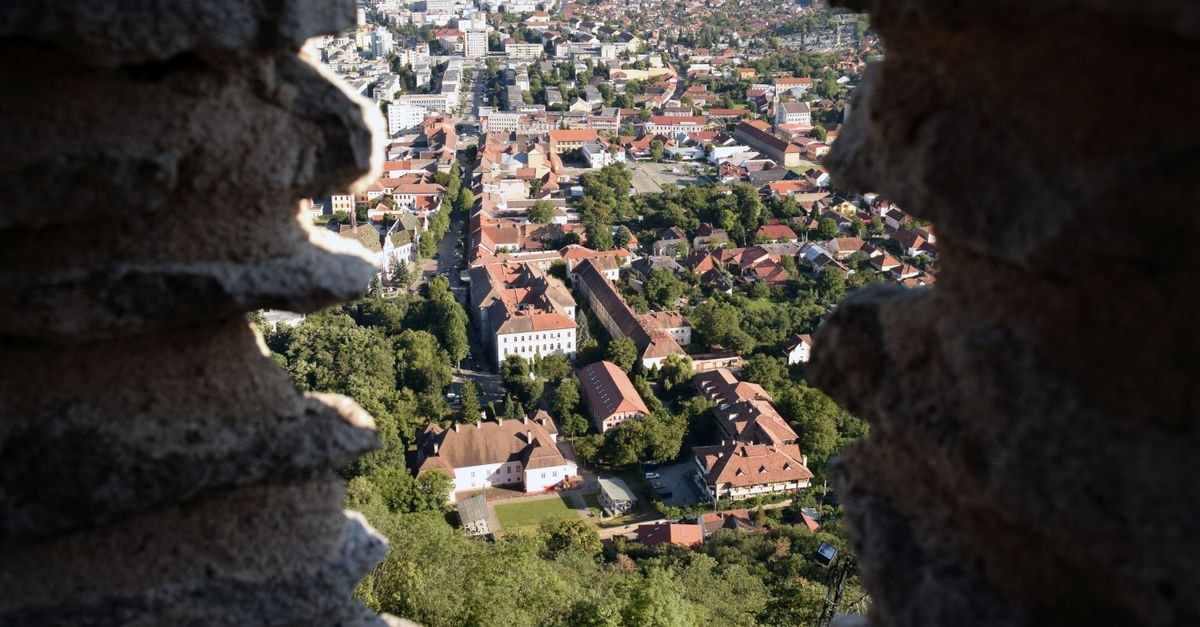
Why Eger Feels Different

There is a particular kind of European city that does not ask to be seen in a rush. Eger, tucked into northern Hungary, is one of those places. It is small enough to read on foot, old enough to keep surprising you, and close enough to vineyard country that the day can stretch gently outward. For travelers who like the idea of a short city break with a slower rhythm, Eger makes a quietly confident case for itself, and this Eger travel guide is built around that kind of trip.
Think of it as a city for wandering rather than ticking off. The historic core, the cafés, and the wine cellars are close together, so a morning walk can turn into a long lunch, and a long lunch can turn into an unhurried afternoon without anyone feeling rushed. That is the mood worth arriving with.
Getting Around
Eger is the kind of city where transport rarely becomes a logistical puzzle. The historic center is compact, and the sights cluster tightly enough that most visitors move between them on foot, pausing whenever a courtyard or a side street looks inviting. Because the city has been described in travel guides as a "charming and historic" destination, the orientation is friendly to first-time visitors who prefer to follow their curiosity rather than follow a strict schedule.
If you are arriving from Budapest, the journey itself is part of the appeal. Eger sits less than a two-hour drive from the capital, and the route runs through countryside covered in vineyards. That makes the city a natural fit for travelers who want to combine a city break with a scenic transfer rather than a long-haul arrival.
Because the city is small, you do not need to plan transport between attractions in any detailed way. A pair of comfortable shoes, a light bag, and a willingness to take the long way around once or twice will carry you through most of the day. Drivers will of course want to plan parking near the historic center, and anyone relying on regional buses or trains should check current timetables closer to the trip, since this guide stays focused on the kind of slow, walkable experience Eger invites.
Attractions and Planning
The most useful thing to know before you arrive is how to frame your time here. Travel writers often describe Eger as an ideal one or two-night side trip, and that framing is genuinely helpful. The city is not built for a packed multi-day itinerary with timed entries. It is built for a short, focused stay where you can absorb the architecture, the squares, and the café culture without racing between checkpoints.
For planning, the practical takeaway is straightforward. Pick one or two anchors for your stay, leave space for unplanned discoveries, and treat the surrounding vineyard landscape as part of the experience rather than as an optional extra. The city is most enjoyable when the day has room to expand, and the nearby countryside is the natural place for that expansion to happen.
The Mood of the Trip
What makes Eger memorable is not a single must-see landmark. It is the texture of the place, and the way its compact historic center invites a slower way of moving through the day. The best travel experiences here tend to come from small decisions: choosing a longer table at lunch, walking one block further than planned, or stepping into a cellar that looks interesting even if you cannot read the sign.
This is also a city that suits a quieter travel style. Couples, solo travelers, and small groups who enjoy historic centers will likely feel at home. Visitors looking for large-scale nightlife or a fast-paced sightseeing circuit will probably want to pair Eger with a bigger city rather than expecting it to fill that role on its own.
Practical Notes for Visitors
Finally, treat the wine region as part of the visit rather than a separate plan. Even a short detour into the surrounding cellars adds a memorable layer to the trip and explains why so many guides describe Eger in the same breath as both a historic city and a wine destination.
Verification Before You Go
Travel conditions evolve, and details such as opening hours, transport connections, ticket availability, and local services can change between planning and arrival. Treat this guide as a starting point for shaping your trip, and confirm anything that affects your specific plans through official local channels or current operator information before you travel.
Share this article
TOOLS FOR THIS PLAN
Make the Eger plan measurable
Choose a tool only when it answers the next question in your trip. Your values stay in the browser, and each tool offers a route back to this planning context.