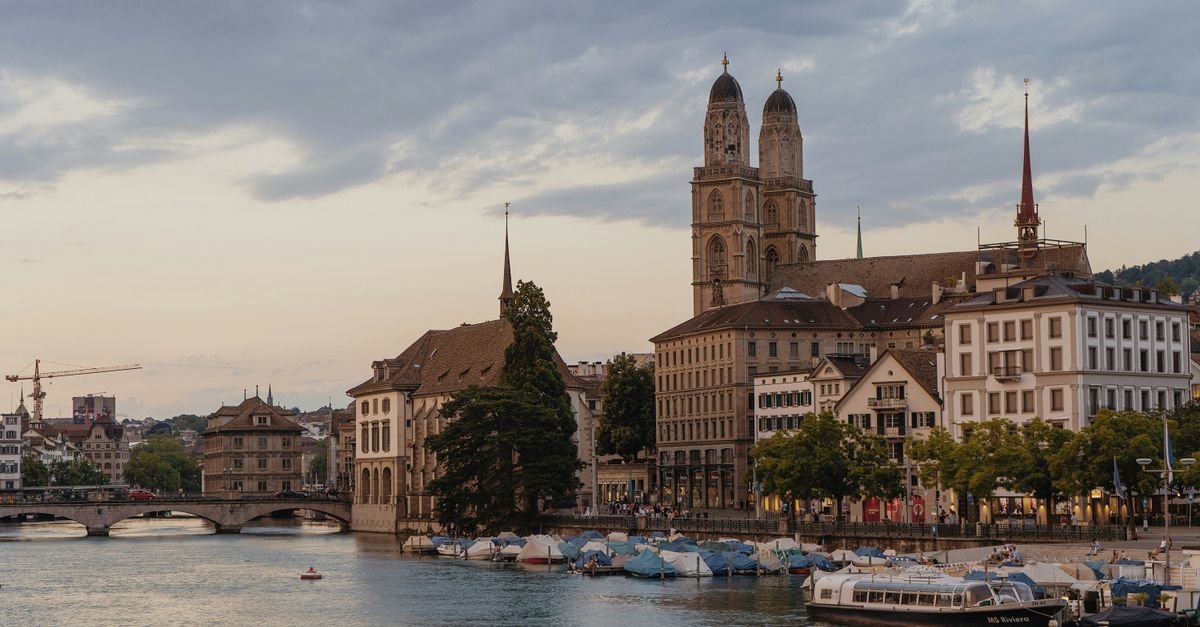
Zurich is often described as a city that lets you have three worlds in a single afternoon: a compact old town with culture, a sweep of water that pulls you outdoors, and a wider alpine horizon that reminds you Switzerland is never far away. It is the country's largest city, and that mix of urban energy and natural setting is what tends to stick with visitors long after they leave. This guide is for travelers who want to feel the city on foot, by the lakeside, and at a relaxed pace, rather than racing through a checklist. Below is a grounded overview built around what the official sources actually tell us about the place.

Weather and seasonal context
Zurich reads as a destination where the weather shapes the mood of the day, and where the city is best experienced with the climate in mind. The official Zurich city guide frames the lakeside as a stage for the warm season: restaurants around Lake Zurich are positioned to offer culinary moments together with views across the water, and the lake itself is treated as a place for active days, described as ideal for a wide variety of water sports activities. Read together, those two notes tell a simple story: the lake is where the city opens up, and the food scene follows the same direction, with the water as a backdrop.
For the warmer months, the same family of sources offers a small piece of practical wisdom that any visitor can use. The advice is to shop early, pick up items that travel well, and skip anything that needs refrigeration for long stretches. That kind of guidance matters most when you are wandering between neighborhoods, picnicking on a bench, or carrying snacks onto a boat. It is a small habit, but it is the kind of detail that turns a tourist afternoon into a more relaxed, local-feeling day.
The general framing of summer in Zurich is also useful as a travel lens. The city's own summer-focused notes point to a place that encourages visitors to spread out, take their time, and treat the lakeshore and the surrounding green areas as part of the urban experience. Within that frame, the practical takeaway is to plan days around the water, because that is where the city's outdoor rhythm concentrates.
Getting around
Zurich is described as a city that compresses a lot of variety into a small footprint. The Switzerland Tourism framing is direct: it is a metropolis with many sights, sitting alongside water, nature, and mountains at the same time. That is the kind of city where walking is genuinely rewarding, because the transitions between the old town, the lake, and the green edges of the city happen in short, pleasant stretches rather than long commutes.
The old town itself is one of the city's calling cards, and the same national tourism source treats it as a core part of the Zurich experience. You do not need a long route to feel it; the streets are compact, and the cultural and culinary choices are described as diverse, which usually means you can wander rather than plan a strict itinerary. A loose habit that works well is to pick one or two anchors for the day, then let the lanes between them decide the rest of the route.
Food around the water
Food is one of the most natural ways to feel a city, and Zurich's official source points the reader in a clear direction: the lakeside is where culinary moments and views tend to come together. The phrasing is gentle, describing restaurants around Lake Zurich as offering culinary delights together with magnificent views, which is a useful frame for a traveler who wants to anchor a meal to a setting rather than a single venue.
If you want to build a day around this idea, the simplest pattern is to choose the water first, then the meal. That might mean an early lunch with a view, a long afternoon along the shore, and a calmer evening nearby. Treating the lake as a dining room rather than a backdrop tends to make the food feel more like a pause in the day and less like a rushed booking between sights.
A short verification note before you go
Factual travel conditions can change, from opening hours and seasonal transport to public services and weather. Treat this guide as a starting point and a feel for the city rather than a final plan, and confirm the specific details of your trip through official Zurich and Switzerland tourism channels before departure. With that in mind, the city tends to reward the kind of traveler who lets the lake set the pace and treats the old town as a place to wander rather than conquer.
Share this article
TOOLS FOR THIS PLAN
Make the Zurich plan measurable
Choose a tool only when it answers the next question in your trip. Your values stay in the browser, and each tool offers a route back to this planning context.