Setting the scene in Bijapur

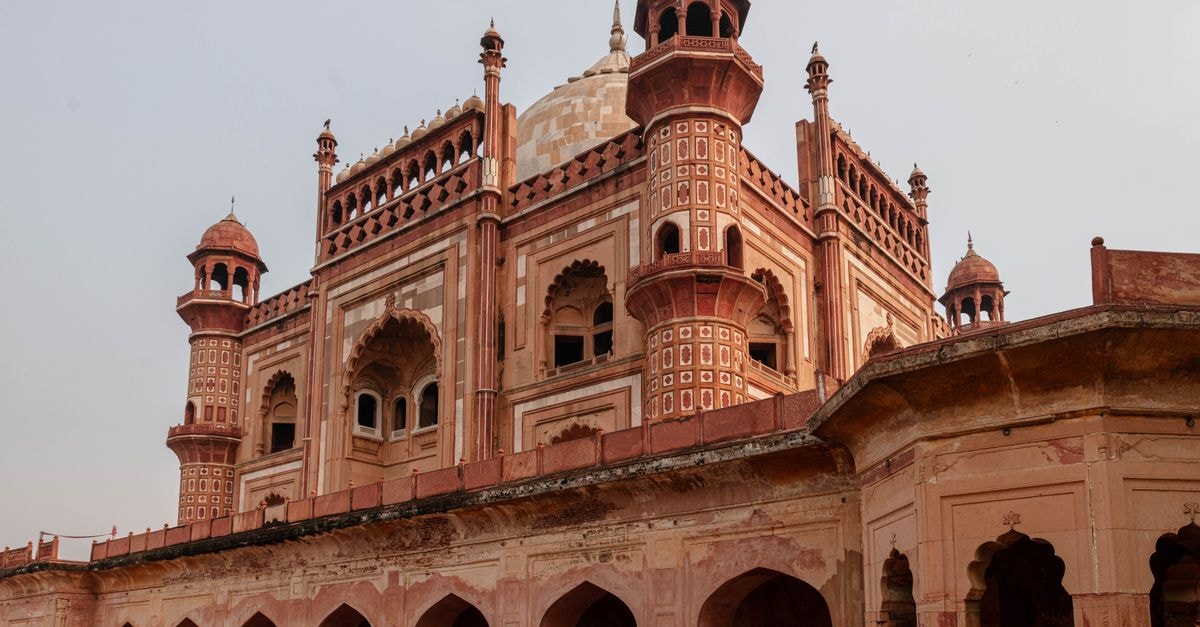
There is a particular hush that drifts across the open grounds around Gol Gumbaz, the magnificent domed mausoleum that stands as the main attraction of the city. Bijapur, in northern Karnataka, carries the layered imprint of the Adil Shahi dynasty, and its medieval monuments are widely described as a unique form of Islamic architecture. For travelers who like their history in stone rather than behind glass, the city offers a slow, walkable kind of sightseeing, one where the skyline is punctuated by domes, minarets and the occasional echoing whisper across a vast chamber.
This guide leans into that rhythm. It is built for visitors who arrive curious, want a sensible sense of how to get in and around, and care about tasting the regional food that surrounds the heritage trail. Everything here is written to be useful whenever you visit, without tying it to a specific month.
Weather and seasonal context
The climate story for Bijapur is simple enough to plan around, and the city's hot-weather pattern is well documented. Based on the beach and pool score, the best time of year to visit Bijapur for hot-weather activities runs from late January to early April, which is a useful clue for anyone whose itinerary leans outdoors. Travelers also tend to judge the year by two travel scores that weigh how pleasant the weather feels across the seasons. The honest takeaway is that mid-year months can feel quite warm in this part of the Deccan plateau, so pacing the day around the cooler mornings and late afternoons is a comfortable habit. If you prefer gentler temperatures and lower heat stress, the late winter to early spring window may suit you best; if you don't mind the warmth and want quieter streets, the rest of the year is workable with shade, water and slower midday breaks.
Getting around
Bijapur is well connected to the rest of India by rail and road, which is the practical starting point for almost any visitor. Long-distance buses and trains link the city to hubs across Karnataka and beyond, and arriving overland remains the most common way in.
For those who would prefer to fly, the Bijapur airport has completed construction and the government is in talks with operators to begin services from the airport. Before booking flights, it is worth checking the latest status of commercial services so you can choose between rail, road or air with current information in hand.
Once in the city, the heritage core is compact enough that short auto rides and walks cover most of what you will want to see, especially if you group nearby monuments into a single loop.
Attractions and planning
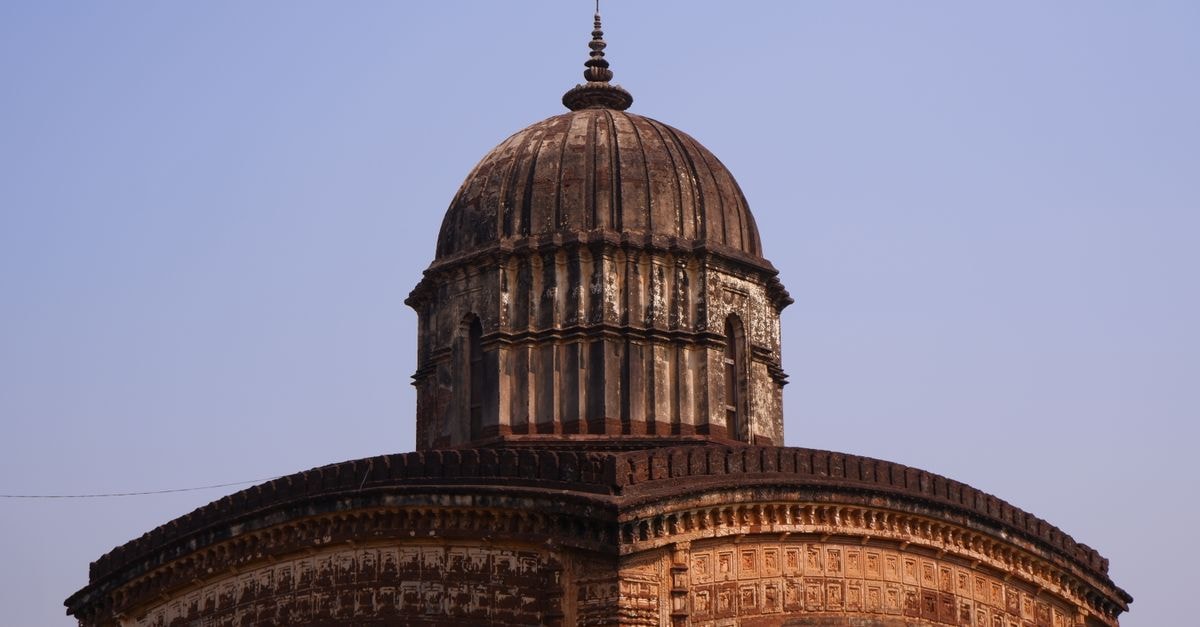
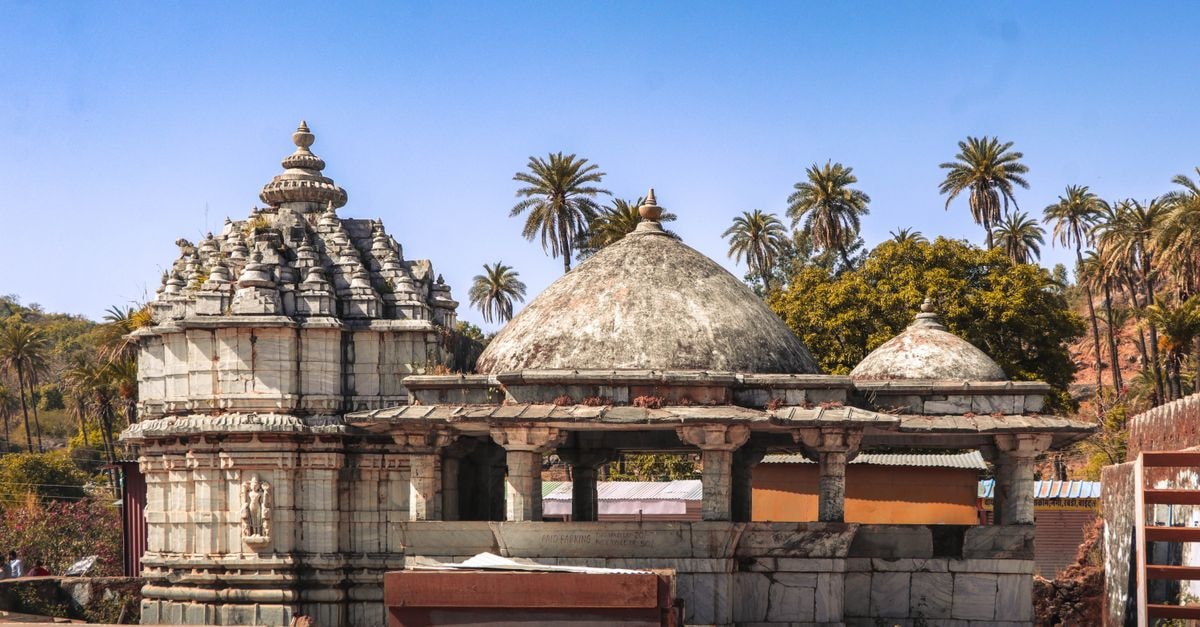
The sightseeing spine of Bijapur is its medieval monuments, with Gol Gumbaz as the headline. Beyond the famous dome, the city holds a cluster of historical sites that work well as a heritage circuit. Many of these places are listed as must-visit stops in local Bijapur heritage packages, and they are consistently described as historical places to visit in Bijapur. The practical upshot is that you do not need to chase a long list; instead, you can pick a tight set of monuments, give each one proper time, and let the architecture speak for itself.
A simple plan that many travelers find rewarding is to start at one of the larger complexes in the morning, take a long midday break, and return to a second monument later in the day when the light softens. Because the buildings are spread across an old quarter rather than a single walled enclosure, expect gentle walks between sites and a few short climbs into domed galleries. Travelers who prefer fewer stairs can prioritize the ground-level courtyards and outer arcs and treat any elevated gallery as optional. Photography tends to be most flattering in the late afternoon, when the warm light catches the stonework.
Food and local context
After a day moving between monuments, food becomes part of the sightseeing. Bijapur is part of the wider North Karnataka food region, and the experience here offers a journey into regional cuisine that is steeped in history and shaped by the many cultures that have called this part of the Deccan home. Each meal reflects centuries of culinary tradition, influenced by the myriad cultures that have passed through the region. In practical terms, that translates into plates built around jowar, peanuts, lentils and slow-cooked gravies, with breads and rice carrying the flavors. Restaurants in Bijapur provide variety in cuisines for visitors looking for a meal after touring the historical sites.
Choosing what fits your trip
A few reader tradeoffs are worth naming before you set off. If hot, dry conditions are a concern for you, the late January to early April window is the gentler choice for outdoor heritage walks. If you prefer quieter streets and do not mind warmer midday hours, you can pace your sightseeing to mornings and late afternoons and leave the middle of the day for food and rest. If reducing stair climbing matters, focus on the ground-level monument courtyards and treat elevated galleries as optional rather than essential. If you would prefer to fly rather than travel overland, check the current status of services at the Bijapur airport before you build your itinerary around it, since commercial operations are still being arranged.
A final verification note
Heritage sites in older Indian cities occasionally adjust access for conservation work, and restaurants change with the seasons. Factual travel conditions can change, and official channels should be checked before departure. Confirm monument timings, any entry rules and the latest status of airport services close to your travel date so that your plans match what is actually open when you arrive.
Share this article
TOOLS FOR THIS PLAN
Make the Bijapur plan measurable
Choose a tool only when it answers the next question in your trip. Your values stay in the browser, and each tool offers a route back to this planning context.