A quick read on Miri

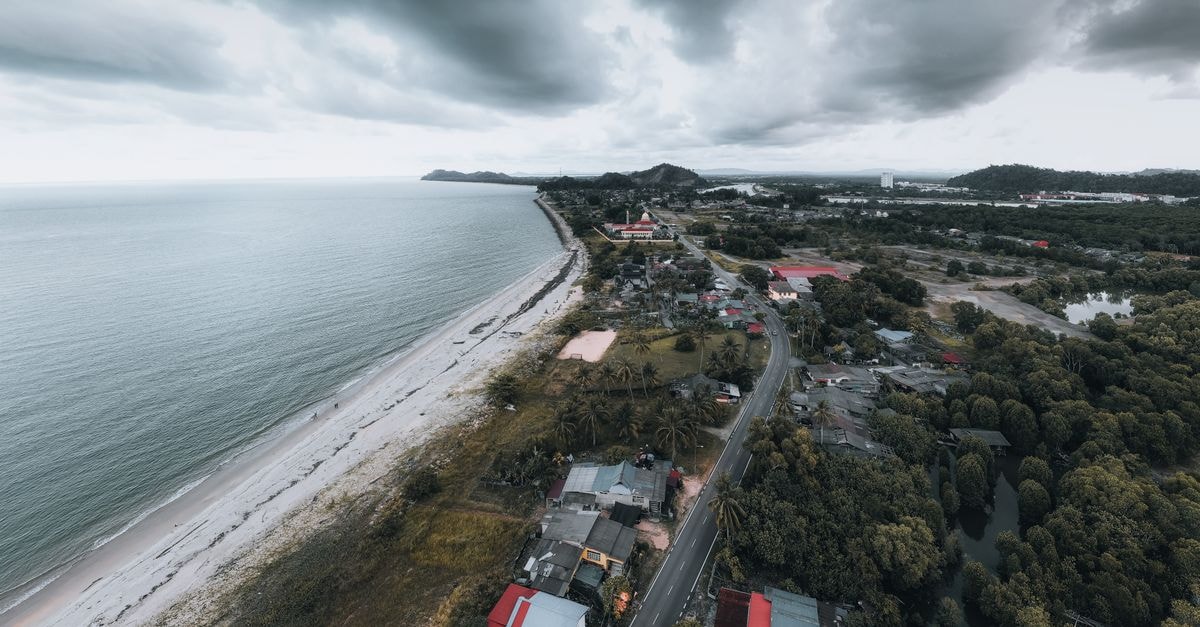
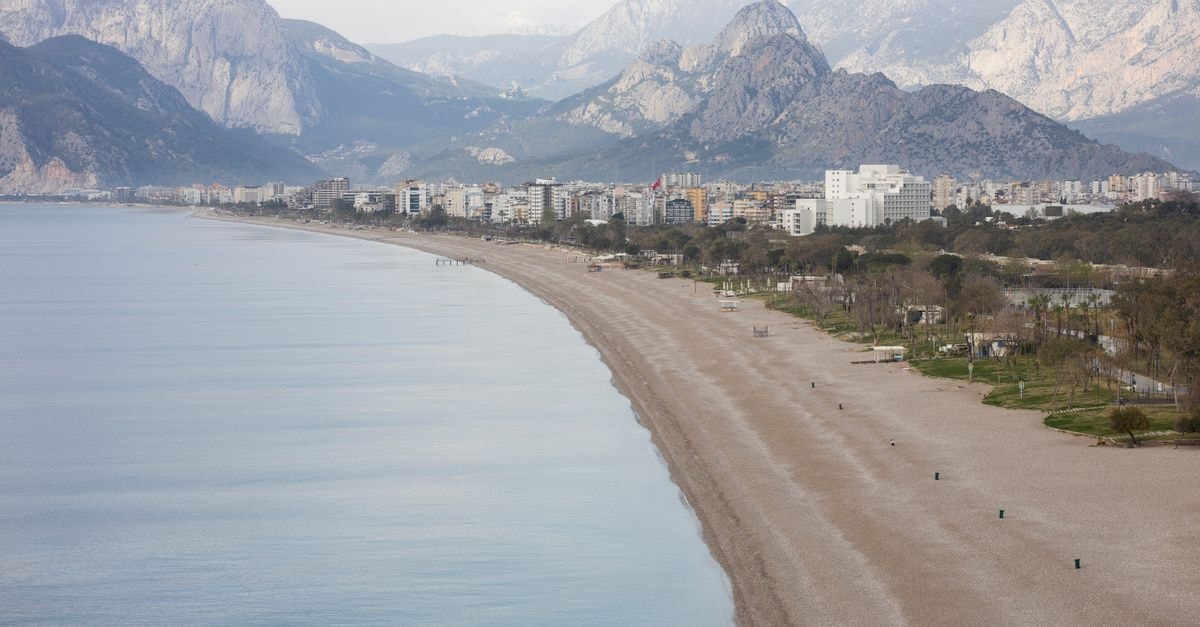
Miri sits along the Sarawak coast in Malaysian Borneo, and it carries a quietly dual identity. One side reads as a working coastal city shaped by oil and commerce, the other as a launchpad toward reefs, rainforest, and elevated views over the South China Sea. The rhythm here is unhurried but well-served: most of what travelers want is reachable from a central base, and the city's commercial core keeps daily needs easy to handle.
If you are the kind of visitor who prefers a destination where the underwater world, a hilltop panorama, and a bowl of noodles can all fit into one trip, Miri tends to reward that appetite without demanding a packed schedule.
Weather and seasonal context
Miri sits within a region famously associated with some of the world's oldest rainforests, full of rare animals and striking natural phenomena, and that lushness is part of what the city feels like to walk through. The area belongs to a broader stretch of Malaysia recognised as one of the most biodiverse regions in the country, so humidity, greenery, and a sense of nature pressing close to the urban edge tend to colour the day.
For visitors, the practical reading is simple. Light, breathable clothing tends to be comfortable, and outdoor plans can feel best when paced gently, with shade and water breaks built in. Even without a specific weather forecast in hand, a rainforest-adjacent city generally rewards travelers who treat the heat as something to move with rather than push against.
If you prefer to keep coastal sightseeing flexible, consider starting earlier in the day, when the air is often a touch cooler, and saving indoor stops, like museums, for the warmer hours.
Getting around
Miri's city centre is described as a bustling commercial area with convenient air-conditioned shopping complexes that can handle most daily needs, which means many errands and casual wandering can happen on foot once you are based centrally.
For longer moves, bus is the main option for connecting Miri with the rest of Sarawak. Several bus companies link the city with other Sarawak cities such as Kuching, Sibu, and Bintulu, and most express buses depart from a dedicated terminal. If you are stitching Miri into a wider Sarawak trip rather than treating it purely as a standalone stop, those intercity services are worth understanding early.
One useful caveat: there are no direct buses between Miri and Bandar Seri Begawan or any other city in Brunei. If Brunei is on the wider itinerary, travelers should plan a route that does not assume a direct cross-border bus link.
Travelers who like to anchor themselves in a walkable centre and then branch out by bus may find this setup suits them. If you prefer to move independently between out-of-town attractions, it helps to confirm local transport options in advance, since central Miri is set up for foot traffic but several of the surrounding places of interest do need transportation to reach.
Attractions and planning
Two experiences tend to define a Miri visit. The first is the Miri–Sibuti Coral Reefs National Park, described as a must-visit for diving and snorkelling enthusiasts. For travelers who build trips around clear water and marine life, this is the headline natural draw.
The second is the historical thread. The Petroleum Museum at Canada Hill tells the story of Miri as Malaysia's oil town, and the hill itself doubles as an excellent lookout point over the whole of Miri city and its coastline. Combining the museum with the elevated view tends to give a satisfying half-day, especially for visitors interested in how a modern Sarawak city took shape.
A practical note from the city's official places-of-interest guidance: transportation is definitely needed to get there for several attractions, but it is worth it. That detail matters because it suggests a natural split between central, walkable exploration and out-of-town excursions that need a vehicle, bus, or arranged ride.
Travelers who prefer to mix one cultural or historical stop with one nature experience per day may find this pairing easy to plan around. If you are more drawn to reefs than museums, consider prioritising the marine park and treating Canada Hill as a shorter add-on; if oil-town history and panoramic views appeal more, anchoring on Canada Hill and adding a lighter coastal walk can work in reverse.
Food and local context
Miri's food scene is described as a delightful journey through a rich and diverse range of dishes, from savoury noodles to aromatic plates, which matches the city's position as a meeting point between coastal Sarawak and broader Malaysian influences.
One dish that tends to anchor local food conversations is Sarawak Laksa, which is widely flagged as a standout traditional dish to try during a visit. As a wider Malaysia context that visitors may well encounter while in Miri, noodle dishes built on aromatic broths are a recognised part of the country's culinary identity, though the specific bowls you find in Miri will reflect Sarawak style.
Beyond sit-down meals, Miri's food culture is something you can lean into in different ways: participating in food tours, visiting local markets, and joining cooking classes are all suggested ways to engage more deeply with what the city offers on the plate. For travelers who prefer to taste a city through its everyday stalls and small kitchens, that mix of options tends to make Miri a comfortable destination.
If you enjoy arriving in a new city and letting your meals shape the itinerary, Miri's mix of casual local spots and the broader Malaysian food context generally supports that style of travel.
Choosing what fits your trip
Miri tends to suit travelers who want a coastal Sarawak base with a clear natural headline rather than a long list of attractions to tick off. The reef system rewards visitors interested in diving and snorkelling, while Canada Hill and the Petroleum Museum give a more contemplative, historical counterweight, and the central commercial area handles daily needs on foot.
The main tradeoff is geographic: if you want to see Miri alongside Kuching, Sibu, or Bintulu, intercity buses link the city directly; if you are hoping to fold Brunei into the same overland route, there is no direct bus link to Bandar Seri Begawan, so that leg will need a different plan. Travelers who prefer everything in one tightly walkable radius may also want to think about transport for the out-of-town places of interest, since some attractions require a vehicle to reach.
A note before you go
Factual travel conditions can change, including bus schedules, museum access, and any park-specific rules for the marine area, so it is worth checking official channels before departure. If a particular detail is essential to your plans, verifying it directly with the relevant authority is a sensible final step.
One small verification question: for travelers hoping to dive or snorkel the Miri–Sibuti Coral Reefs National Park, checking current access arrangements with local operators in advance can help you match the experience to your certification level and the conditions on the day.
Share this article
TOOLS FOR THIS PLAN
Make the Miri plan measurable
Choose a tool only when it answers the next question in your trip. Your values stay in the browser, and each tool offers a route back to this planning context.