A first look at Bordj Bou Arreridj

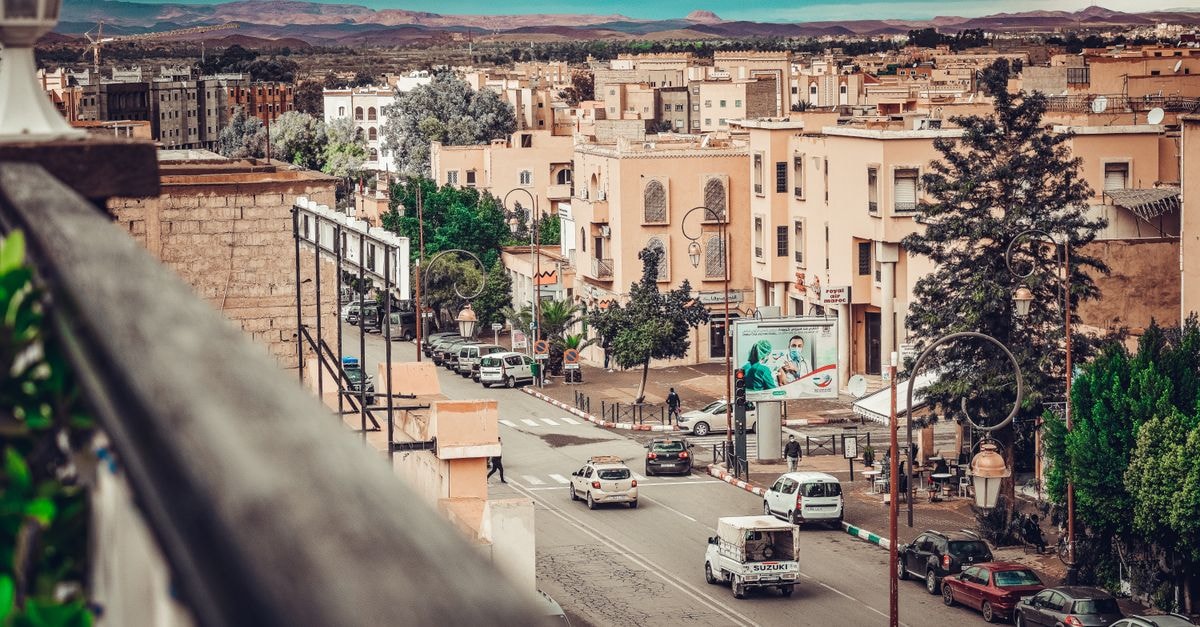
Set in northeastern Algeria between the Kabylia and Aurès ranges, Bordj Bou Arreridj reads less like a polished tourist stop and more like a working city with stories tucked into its workshops, market lanes, and surrounding hills. The city carries a quiet, lived-in atmosphere that rewards travelers who like to slow down, look closely, and let a place reveal itself rather than rushing through a checklist. It has also grown into a notable industrial center, home to Condor, an electronics manufacturer known across Africa, which gives the town a more contemporary pulse than its rural surroundings might suggest.
For visitors passing through the country, Bordj Bou Arreridj can serve as a genuine stopover, the kind of place that helps a journey feel less like a transfer and more like a chapter. Travelers who arrive curious about ancestral craft traditions, mountain landscapes, and the everyday rhythm of an Algerian highland town often find that this modest wilaya delivers far more texture than its size implies.
Getting to and around the city
Bordj Bou Arreridj sits along the Algiers-Constantine route, which makes it a practical waypoint for travelers building a longer Algerian journey rather than a standalone destination reached only by direct flight. Its position as a stop between two of the country's most-visited anchors means onward road connections form the backbone of arrival and departure logistics.
Within the wilaya, the focus tends to be local industry and everyday commerce, so transport is shaped by what residents actually use: shared taxis, intercity buses, and private hire vehicles running between the town center and outlying villages. Because the area is framed as a gateway to the Bibans, a Berber mountain region with nature and heritage appeal, travelers who want to step beyond the urban core will find themselves leaning on regional road links more than walking routes. If you prefer to keep your trip flexible and your base in town, basing yourself near the central area and arranging day movement by shared transport is usually the easiest fit; if your interest leans toward rural landscapes and craft villages, planning ground transport for half-day excursions helps the day feel less rushed.
The city also functions as a small commercial hub, and that everyday bustle, rather than a curated tourist circuit, is part of its character. Travelers who enjoy watching local trade rather than seeking a polished visitor experience often find this honest pace the most rewarding thing about getting around.
What to see and how to plan your time
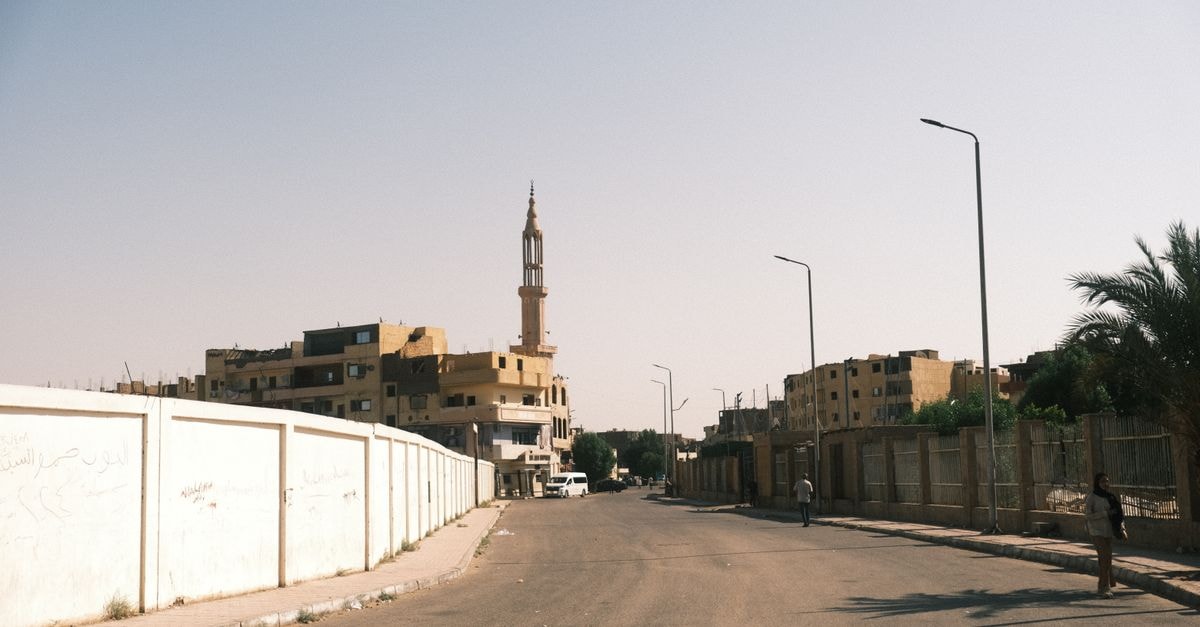
The available visitor information for Bordj Bou Arreridj is thinner than for Algeria's headline destinations, which is itself useful to know before planning. One specific site that does appear in local listings is a mosque in the city, listed as attraction point 5 in regional guides. Beyond that named reference, the city's appeal tends to be found in the wider wilaya rather than a dense cluster of monuments.
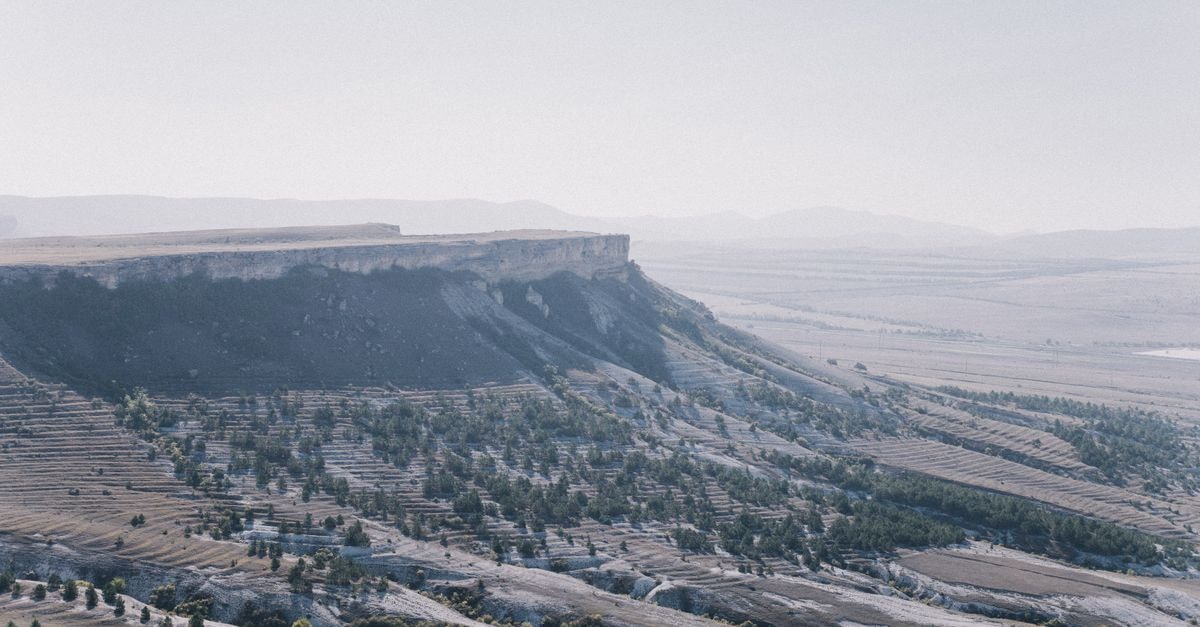
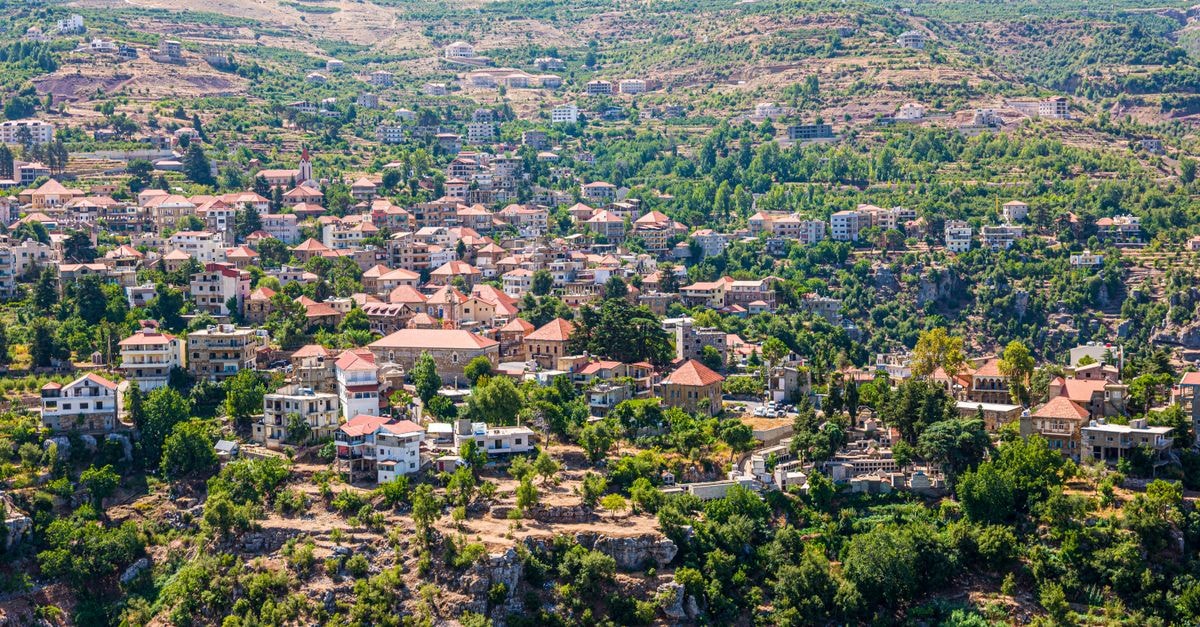
This is where the "gateway to the Bibans" framing becomes practical. The Bibans mountain region is where Berber heritage and unspoiled nature come together, and travelers interested in ancestral craftsmanship and rural landscapes often plan around the wilaya as a base for exploring that broader setting rather than expecting a packed in-town itinerary. If your travel style leans toward long walks in mountain scenery, quiet conversations with artisans, and the slow rhythm of highland villages, this kind of outward-looking plan may suit you well. If you prefer dense, walkable sightseeing with major landmarks at every turn, you may want to balance a stop here with time in a larger city.
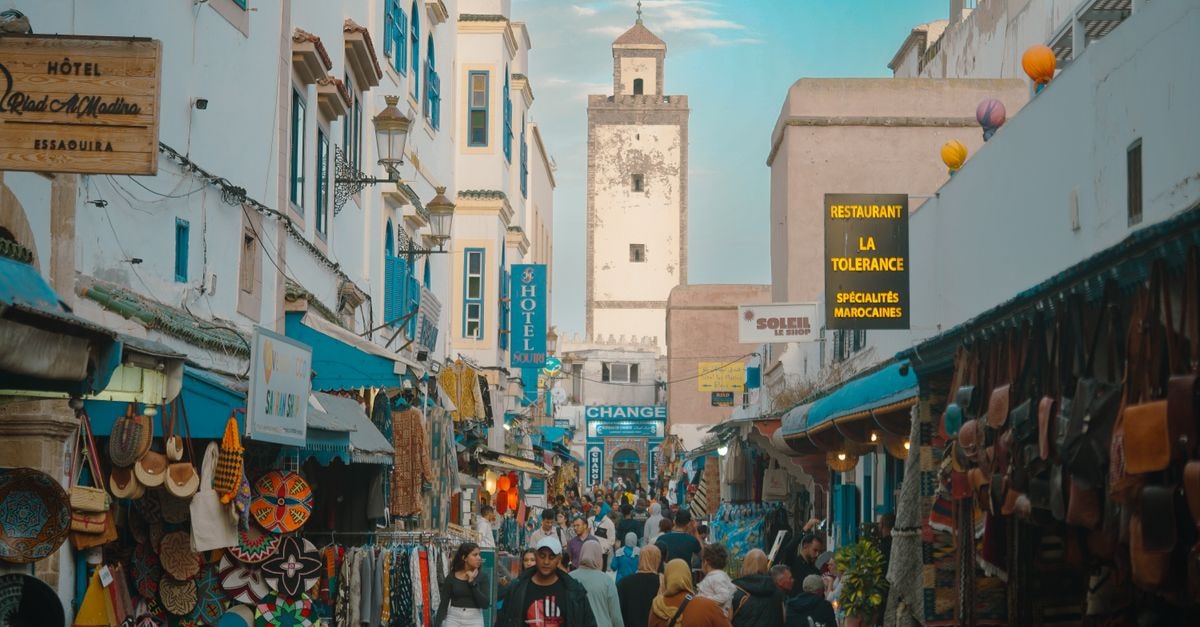
The town itself rewards unhurried wandering. Walking through market streets, pausing at small workshops, and simply observing the blend of modern commercial activity with traditional surroundings can be more satisfying than chasing a fixed attraction list, especially when paired with the wider mountain context.
Food and what to expect at the table
Because the available evidence does not document a Bordj Bou Arreridj-specific signature dish, it is more useful to think about the wider Algerian food culture that visitors may encounter while spending time here. Olive oil, fish, and citrus tend to brighten coastal cooking, while grains and vegetables anchor the high plateaus, where Bordj Bou Arreridj sits. Dates and preserved ingredients carry more weight further south.
In a highland city like this, meals tend to revolve around grain-based staples, seasonal vegetables, and meat dishes prepared for sharing. Algerian food culture more broadly is closely tied to family gatherings, Friday meals, and the pleasure of sharing from a generous communal dish, a rhythm that visitors often encounter in everyday restaurants and local eateries rather than in formal dining rooms. Travelers looking for cheap and authentic Algerian food options will find that the city offers exactly that.
It is also worth noting that local knowledge is your best resource here. Asking a host, a shopkeeper, or a taxi driver which spot is busy that day will usually lead to a better meal than any printed guide can offer.
Weather and seasonal context
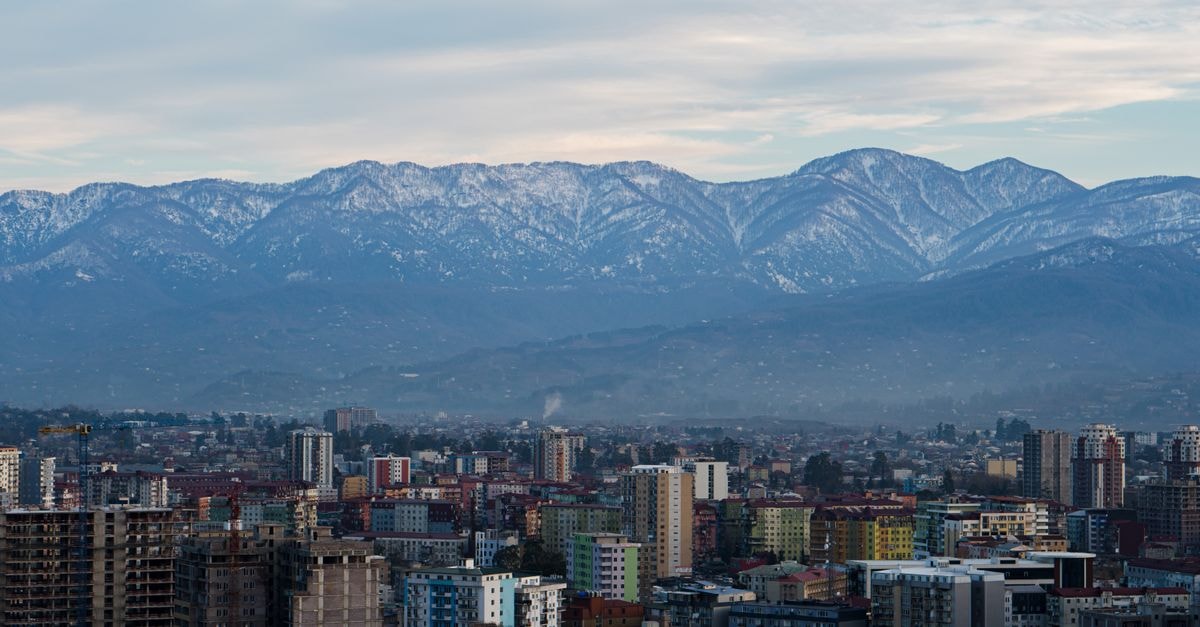
Direct, current-condition weather information for the destination is not part of the available evidence, so this guide avoids naming a specific month or quoting temperatures. What is well supported is the broader context: the city sits among the high plateaus and mountain ranges of northeastern Algeria, where elevations tend to shape the year-round feel.
In highland Algerian settings, conditions can feel noticeably cooler than in coastal cities, particularly in the evenings and in higher-elevation villages around the Bibans. Travelers who tend to feel the cold easily, or who plan to spend time in the surrounding mountains rather than only in the town center, often appreciate packing a warm layer even in milder seasons. If your itinerary leans toward outdoor walking and rural visits, planning shorter midday outings and gentler pacing can make the day feel more comfortable, since highland weather can shift more quickly than coastal forecasts suggest. Visitors who prefer reliably warm, sun-soaked conditions may find the coastal cities a better primary base and treat Bordj Bou Arreridj as a refreshing change of scene rather than a beach-style stop.
Choosing what fits your trip
Because Bordj Bou Arreridj works best as a stopover or a base for the Bibans rather than a single-sight city, the trip you build around it matters more than any packed daily plan. Travelers who enjoy craft traditions, rural landscapes, and the texture of everyday Algerian life, and who are happy exploring on foot through market streets and arranging regional transport for half-day outings, often find the wilaya rewarding in a way that larger, more polished destinations cannot match. Travelers who prioritize dense landmark sightseeing, walkable sightseeing circuits, or a strong urban dining scene may want to balance a shorter stay here with more time in Algiers or Constantine, using this city as a meaningful pause rather than the headline of the trip. The honest summary is that Bordj Bou Arreridj rewards curiosity and patience more than ambition.
A few things worth checking before you go
Because the city has a relatively limited visitor-facing footprint in the available sources, one practical question can shape a smoother trip: confirm in advance whether your accommodation in the town center or in a nearby village better matches the kind of stay you want, since the wilaya blends urban and rural settings rather than offering one obvious base. Travel conditions and local services can change, so checking current official guidance before departure is always wise.
Prices, opening hours, schedules, reservation rules, and local conditions can change; verify them through official channels before departure.
Share this article
TOOLS FOR THIS PLAN
Make the Bordj Bou Arreridj plan measurable
Choose a tool only when it answers the next question in your trip. Your values stay in the browser, and each tool offers a route back to this planning context.