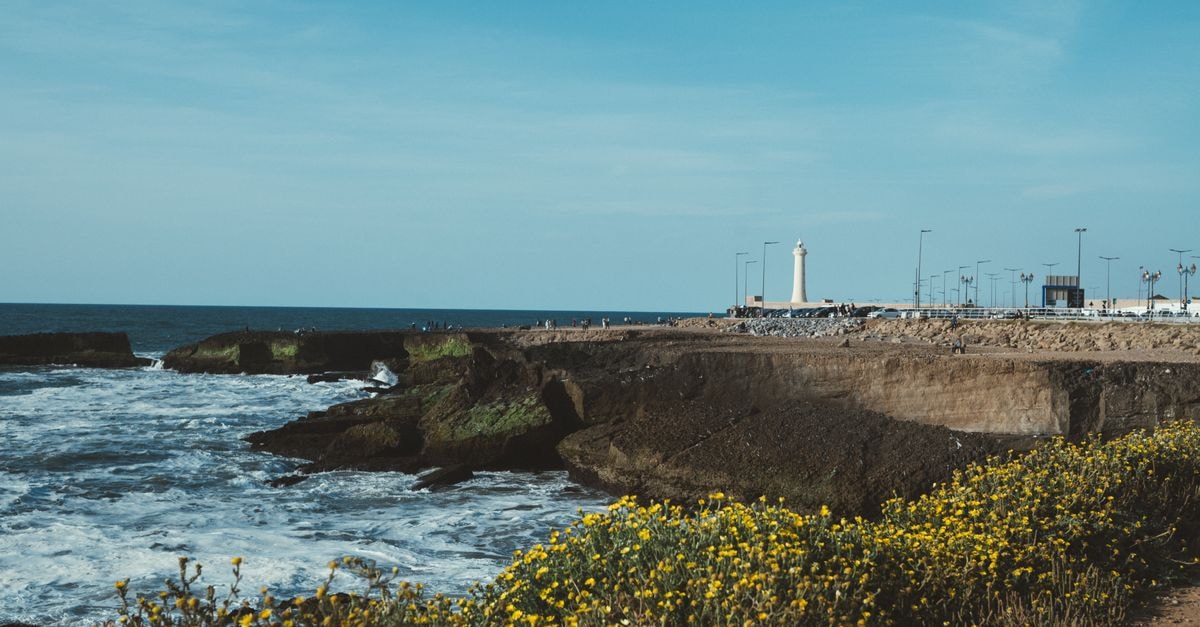
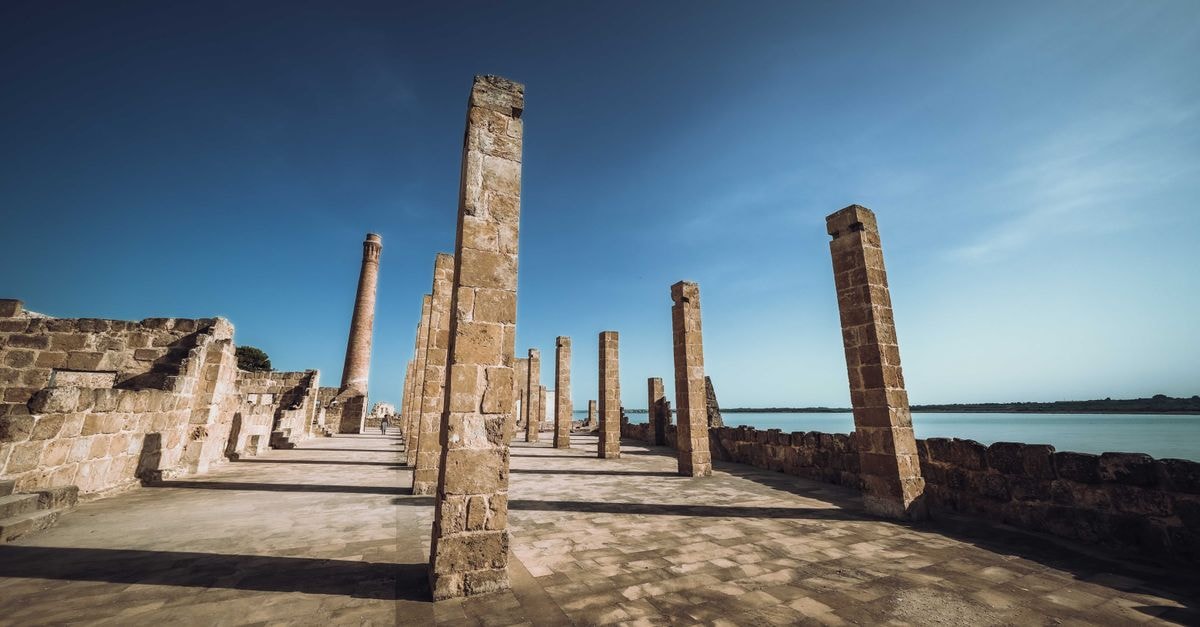
A cool pocket on the Algerian high plateau

Sétif is a medium-sized university town in northern Algeria, perched at a high altitude that gives it a noticeably different feel from the coastal cities travelers often picture first. That elevation earns it a reputation as one of the colder spots in the country, and in the right conditions the city can even see the occasional blizzard or snow storm rolling across the rooftops. For visitors, that simply means packing with layers in mind and being ready for a sharper temperature swing than the Sahara postcards suggest.
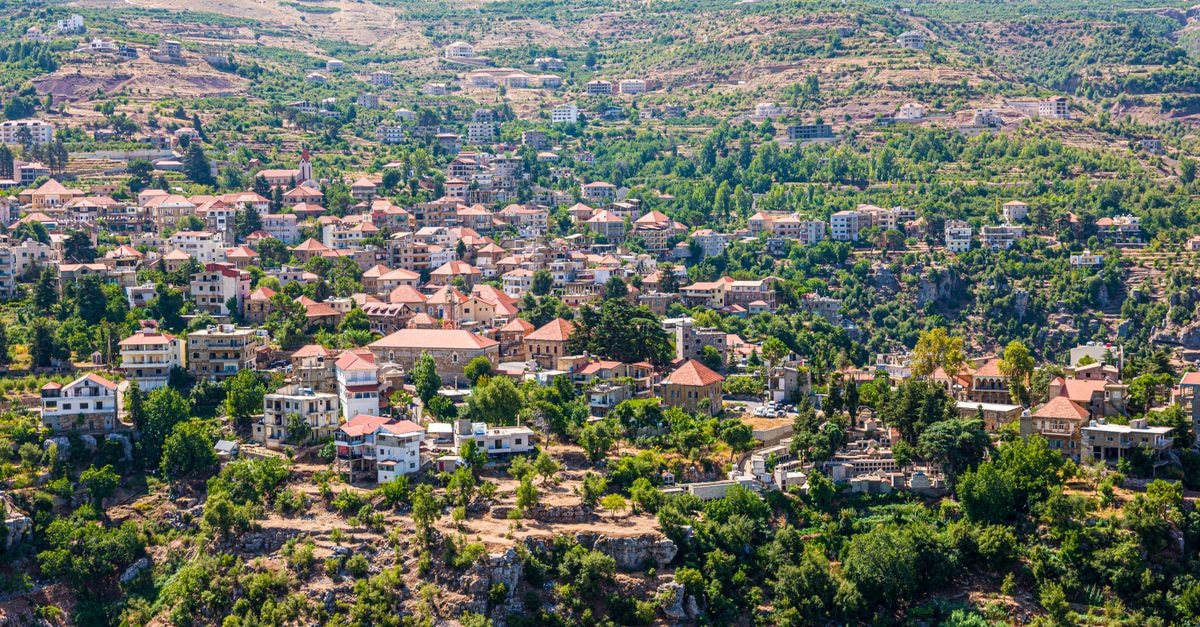
The town also reads as a vibrant regional center, balancing rapid urban expansion with a quieter, everyday rhythm. Students, working families, and travelers share its broad streets, and the surrounding Sétif Province offers open landscapes that feel far from the bustle of Algiers. For anyone looking for a slower, less polished side of Algeria, Sétif rewards the curiosity.
Weather and seasonal context
The defining feature of Sétif's climate is altitude. Because the town sits well above sea level on the high plateau, it ranks among the colder spots in Algeria and can experience the occasional blizzard or snow storm when weather systems line up. That single fact shapes everything from wardrobe choices to how you plan a walking day.
For a traveler, the practical takeaway is less about chasing a specific forecast and more about mindset. Mornings can feel brisk, midday sun can warm up stone and pavement surprisingly fast, and evenings drop again. Lightweight layers, a wind-resistant outer jacket, and comfortable walking shoes tend to serve better than a single heavy coat. Even in the warmer half of the year, the altitude means a sweater for late dinners is rarely wasted.
The 8 May 1945 Airport (QSF) serves as the city's specialized international gateway, and the broader Sétif corridor has been highlighted for logistics and rail upgrades that improve connections across the region. For visitors, that background matters only insofar as it hints at a city that is increasingly plugged into wider Algerian travel networks, which can make arrivals and onward movement a little smoother than expected.
A gentle rhythm often suits Sétif best. Start the day with a relaxed breakfast, save the longest outdoor exploration for the middle hours, and ease back into café life as the temperature cools. The city rewards unhurried attention, and the climate gently nudges you toward that pace.
Getting around
The fountain is also worth more than a passing look. Visitors can admire its delicately carved statues and masonry work, and a guided tour is a sensible way to learn about the area and its history from someone who knows the details behind the stonework. Even a short guided stop tends to leave a richer impression than a quick photo.
Travelers often describe Sétif as a place that balances rapid urban expansion with close proximity to significant historical sites, including the UNESCO-listed Roman ruins of Djémila nearby. That combination of a growing modern town and ancient layers underneath is part of what gives the city its particular feel.
For orientation, it helps to think of Sétif as a regional center rather than a compact capital. Distances between neighborhoods can be longer than they look on a map, and walking mixed with taxis or local transport usually beats trying to cover everything on foot. Whether you stay a short stop or a longer visit, the city promises a memorable experience that caters to a variety of interests, from history and architecture to everyday street life and food.
Food and local context
Talking about food in Sétif is really a conversation in two parts: what is grown and cooked across Algeria as a whole, and how that wider culture shows up on tables in Sétif. The People's Democratic Republic of Algeria, with Algiers as its capital and a population in the tens of millions, shares a national cuisine that visitors will encounter in cities across the country, Sétif included.
Algerian food culture places a strong emphasis on slow-cooked stews, generous use of grains, and dishes built around lamb, chicken, and vegetables. Bread is a constant companion to meals, and tea or coffee tends to close a long lunch rather than open it. Visitors often find that the easiest way into the local rhythm is to follow the meal times of the people around them, sitting down when the restaurants fill rather than on a fixed Western schedule.
Because this is wider Algerian context rather than something specific only to Sétif, it is best treated as a gentle orientation rather than a checklist of city specialties. The point is not to hunt for a particular named dish on a specific street, but to arrive ready to enjoy the shared culinary language you will find in many corners of the country, including Sétif's own neighborhoods.
A simple traveler approach works well: eat where families are eating, ask what is fresh that day, and let the rhythm of the kitchen guide how long you linger. Food here is as much about the pace of the table as the plate in front of you.
A note on practical planning
For the most reliable, up-to-date information on transport, opening hours, and regional connections, official Algerian tourism channels and transport operators should be checked before departure. Travel conditions can shift, and details that were current at one moment may have changed by the time of a visit. Treat this guide as a starting framework for understanding Sétif rather than a fixed timetable, and let the city's everyday rhythm guide the finer decisions once you arrive.
Prices, opening hours, schedules, reservation rules, and local conditions can change; verify them through official channels before departure.
Share this article
TOOLS FOR THIS PLAN
Make the Sétif plan measurable
Choose a tool only when it answers the next question in your trip. Your values stay in the browser, and each tool offers a route back to this planning context.