A Southern Gateway Worth Slowing Down For

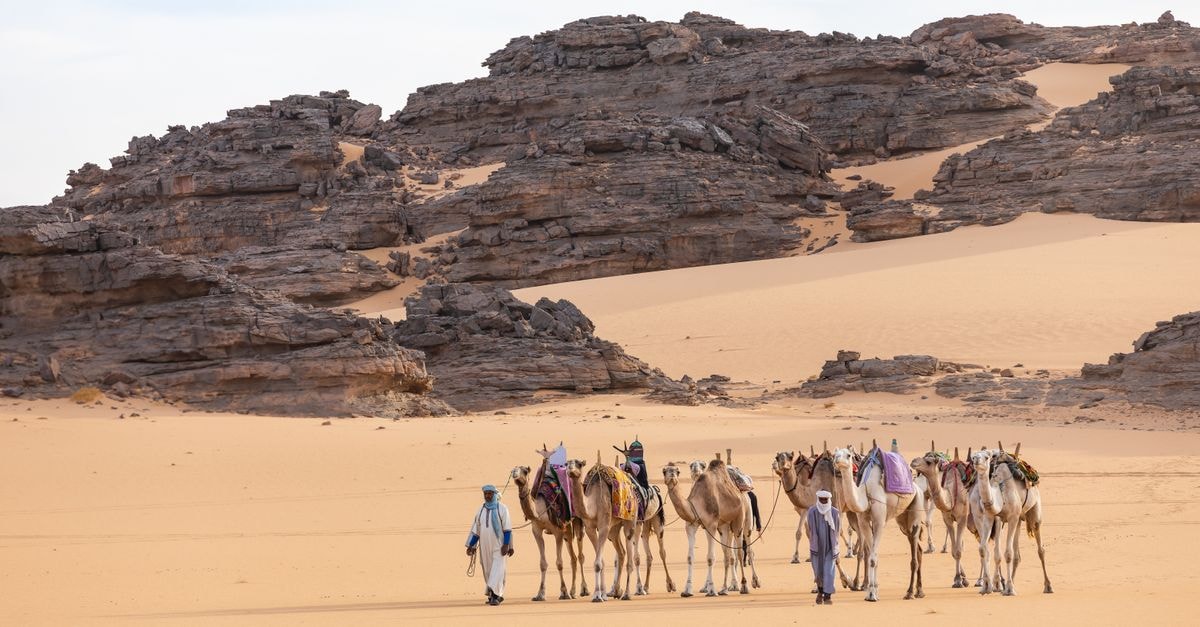
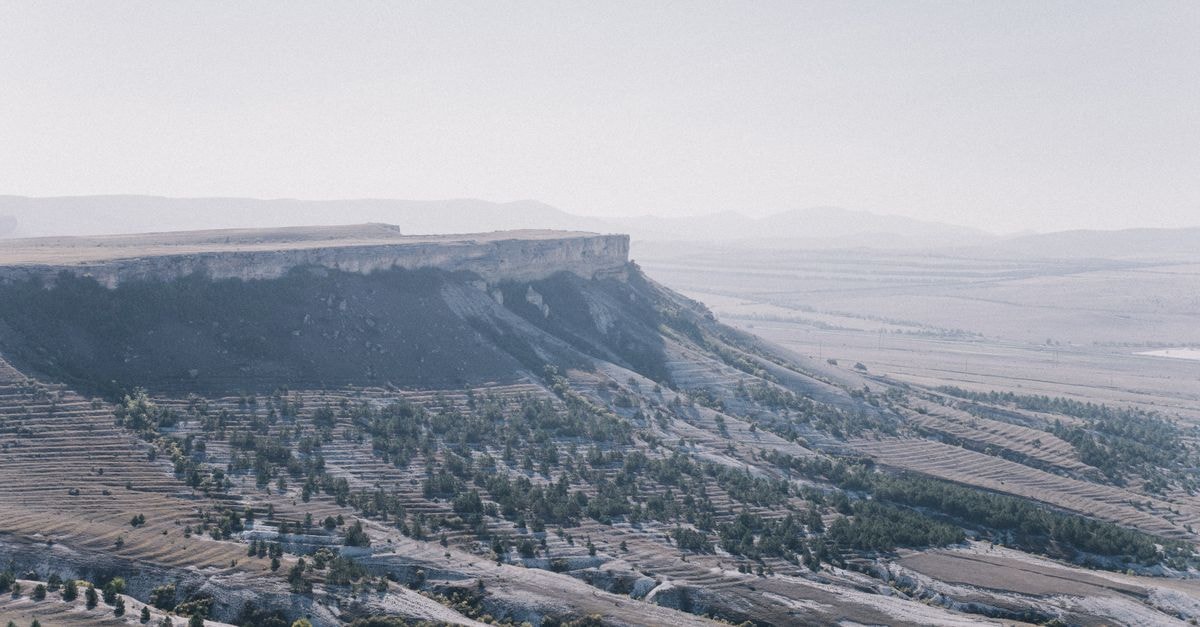
There is a particular kind of travel feeling that comes with arriving in a city that sits on a boundary. Laghouat carries that quality, because it marks the shift from Algeria's high plateaus down toward the Sahara. Approaching from the north, the landscape gradually opens out; arriving from the south, you sense the moment when the desert eases back into something greener. At around 750 meters in altitude and tucked at the foot of the Saharan Atlas, the city has long served as a crossroads — not a place most travelers rush through, but one that rewards a slower pace and a little curiosity.
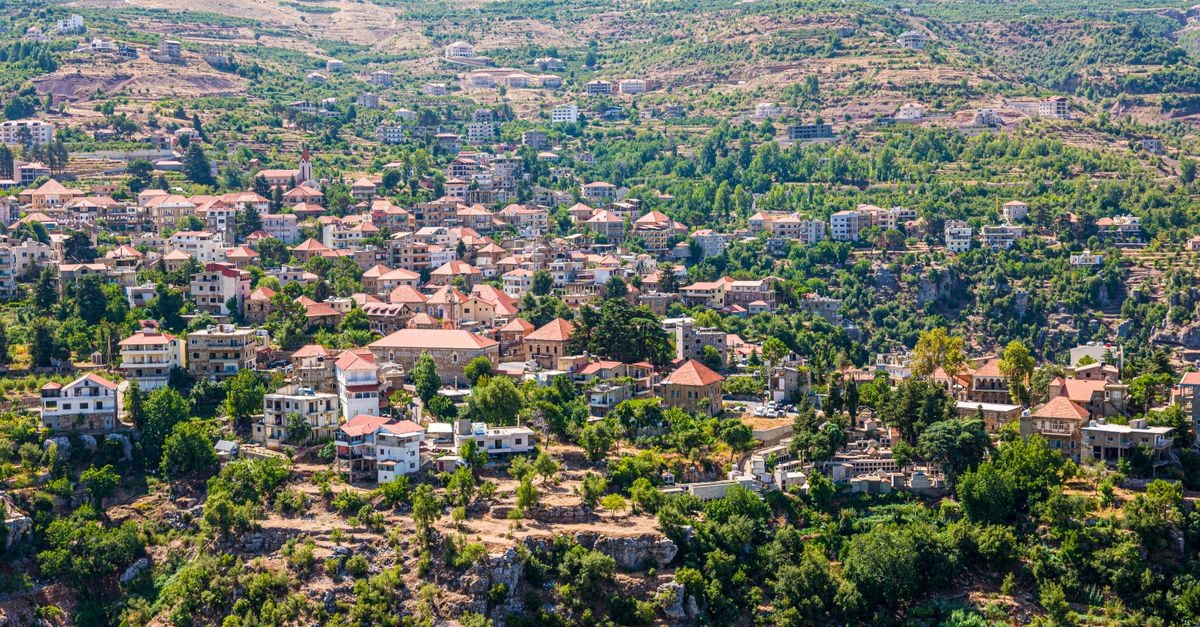
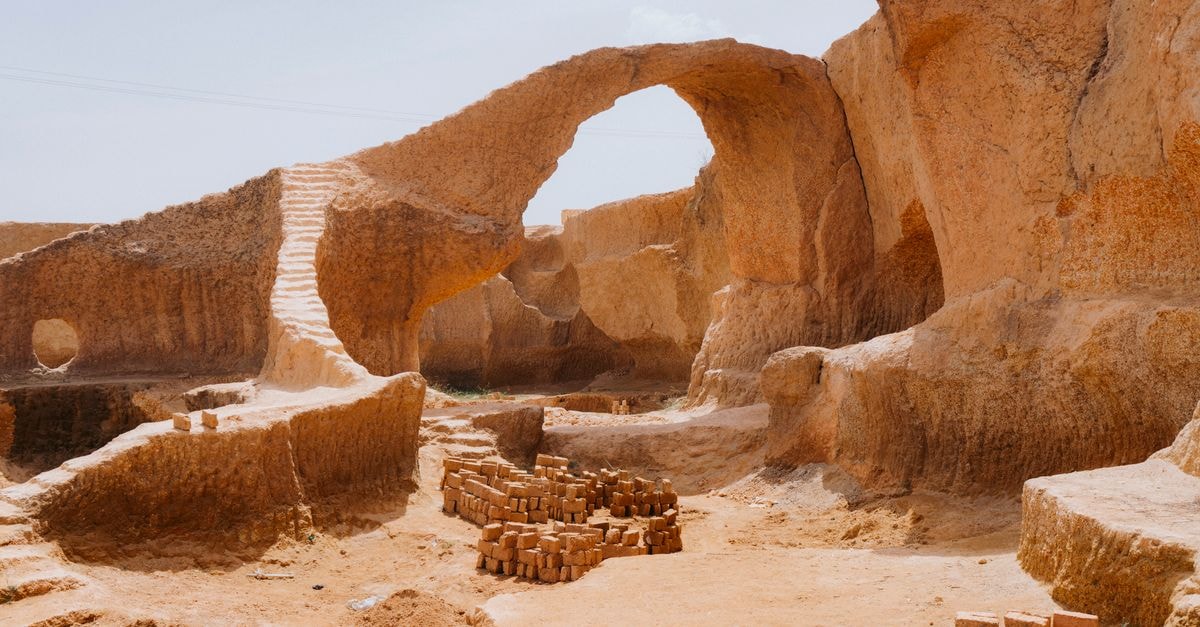
What makes Laghouat distinctive is its blend of oasis and heritage. It is known for its old ksar, the traditional fortified settlement that sits within a vast palm grove, and for its Sufi cultural traditions anchored around the Sidi Hadj Aïssa traditional cultural center. Geographically, it also functions as a midpoint between Ghardaïa to the south and Tiaret to the north, giving it a quietly strategic feel that any traveler with a sense of place will pick up on within a day or two.
This guide leans into the practical side of visiting — the climate context, how to move around once you're here, and the wider Algerian food culture visitors are likely to encounter — without pretending to know more than the facts warrant.
Weather and Seasonal Context
The defining climatic reality of Laghouat is its position at the meeting point of two very different landscapes: the high plateaus of northern Algeria and the Sahara beyond. Daytime temperatures can feel intense for travelers unaccustomed to arid climates, while evenings in this region typically cool down more sharply than coastal parts of the country. Because Laghouat sits at roughly 750 meters of altitude at the foot of the Saharan Atlas, the air often feels drier than many first-time visitors expect.
For planning purposes, the single most useful piece of seasonal advice is simply to pace your day around the heat. Many travelers find that early-morning and late-afternoon hours are the most comfortable for being out in the palm grove or around the ksar, with a slower middle of the day spent indoors or in shaded spaces. Light layers are worth packing even in warm conditions, because the drop between day and night temperatures can surprise visitors used to more humid climates.
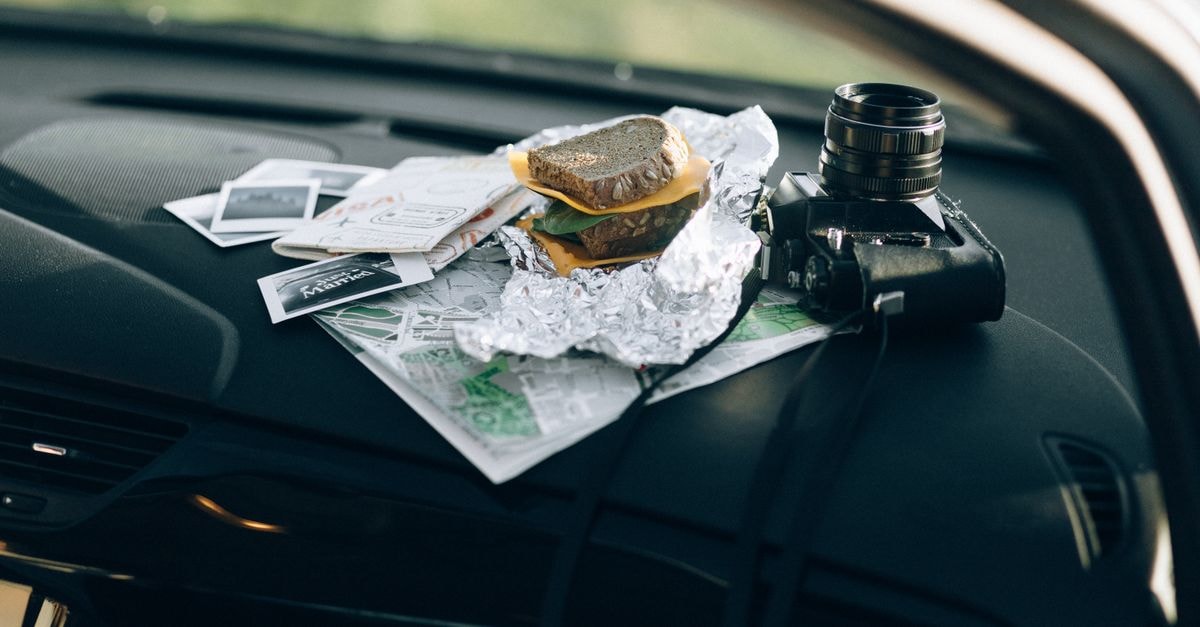
One practical note that fits naturally here: roads across this part of Algeria can be long and services can feel sparse between towns, so it is worth planning fuel and rest stops in advance if you are driving in or out of the city. Travelers who prefer not to think about logistics can consider arranging private transfers — either through a hotel or with a local agency — for a direct trip from airports or stations, which removes the need to navigate long stretches of road yourself. Arrivals typically come in via Moulay Ahmed Medeghri Airport, where reaching Laghouat can be as straightforward as taking a taxi or hiring a car. Visitors flying in from far afield may also find that flight pricing into Laghouat varies considerably depending on the season and the origin city, so comparing a few date options is generally worthwhile.
Getting Around
For independent travelers, the rhythm tends to be slower and simpler: short taxi rides for getting between neighborhoods, perhaps a longer transfer for reaching the older ksar area or the outskirts of the palm grove, and on-foot wandering for the parts of town where the real character lives. There is no need to over-engineer a transport plan here; the city's layout invites unhurried exploration.
Food and Local Context
Laghouat does not need a long list of restaurant recommendations to give visitors a satisfying sense of place, because what travelers eat here sits within a much wider Algerian food culture. Meals in this country tend to follow patterns that visitors often find both generous and unfamiliar: shared dishes placed at the center of the table, bread used as both accompaniment and utensil, and a strong emphasis on slow-cooked stews, grains, and the kinds of flavors that come from long simmering rather than quick techniques.
Visitors to Laghouat will encounter this wider Algerian food context naturally during their stay. Typical national dishes visitors may come across include couscous-based preparations, hearty stews built around lamb or vegetables, and the widespread use of herbs and warming spices. Dates and other produce from the surrounding oases also tend to feature prominently in everyday eating, reflecting the agricultural character of the region. Sweet mint tea is a near-constant companion to meals and to hospitality in general, and accepting a poured glass is part of the rhythm of being hosted.
For travelers with specific dietary preferences — vegetarian travelers, for example — the wider Algerian table offers more options than some visitors initially expect, given the prominence of vegetable and legume-based dishes across the country. Travelers who prefer familiar flavors or international menus may want to ask locally about what's available rather than assume, because the everyday food scene here tends toward traditional cooking rather than globalized restaurant chains.
Choosing What Fits Your Trip
The shape of a good trip to Laghouat depends on how you like to travel. Travelers who enjoy a sense of geographic transition — the feeling of being at a real crossroads between two landscapes — will appreciate the city's setting at the edge of the Sahara, with the palm grove and old ksar as anchors for unhurried exploration. Visitors who prefer to minimize logistical thinking may want to lean on private transfers from the airport and arrange group transport for longer days, since distances can feel long and services between settlements can be sparse. Food-focused travelers will find the wider Algerian table generous and hospitable, though anyone with particular preferences should ask locally rather than rely on assumptions about what is on offer.
A Note Before You Go
Practical travel conditions — prices, transport availability, opening hours and entry requirements — can change, and the details in this guide reflect what the underlying sources describe rather than any real-time confirmation. Before finalizing plans, it is worth checking current information through official travel channels, your accommodation, or a trusted local contact. Currency exchange rates fluctuate, so if you convert money during your trip, treat any figure as a reference only and confirm the live rate on the day. A short verification question worth asking locally before you arrive is simply whether any seasonal closures or local events are affecting access to the ksar or the palm grove during your stay.
Prices, opening hours, schedules, reservation rules, and local conditions can change; verify them through official channels before departure.
Share this article
TOOLS FOR THIS PLAN
Make the Laghouat plan measurable
Choose a tool only when it answers the next question in your trip. Your values stay in the browser, and each tool offers a route back to this planning context.