A first impression of Brazzaville

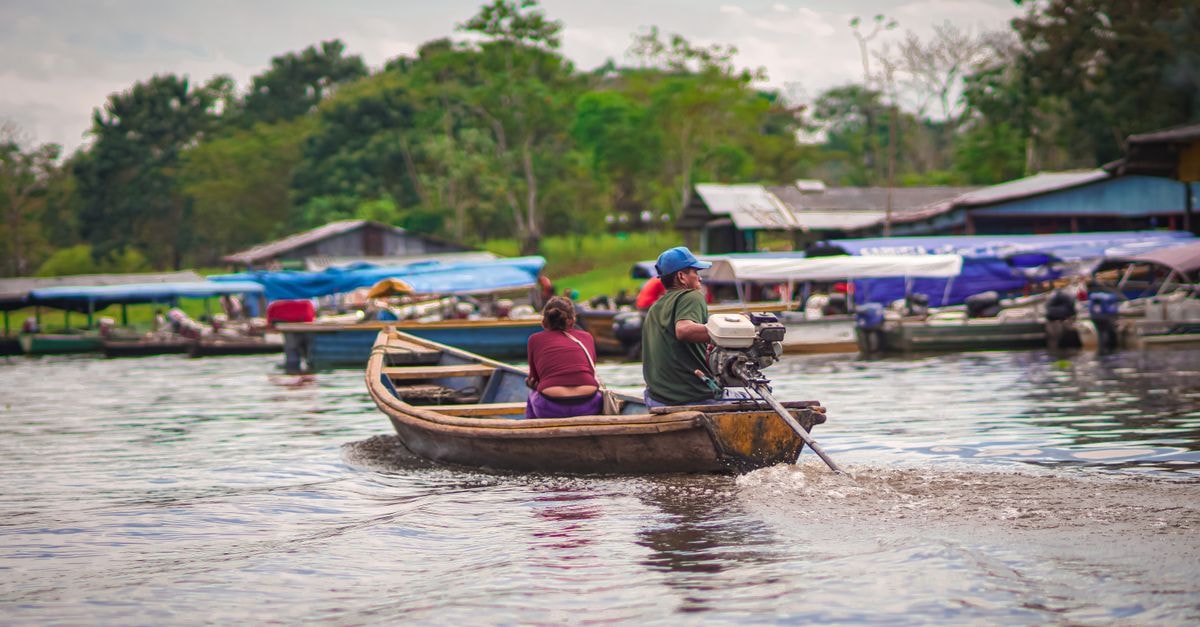
There is a particular kind of light that falls across the Congo River in the late afternoon, a soft, golden wash that makes the water look like brushed silk. Brazzaville sits on the northern bank of that river, and the river quietly shapes everything about the city: the rhythm of the mornings, the way neighborhoods stretch along its curves, the gentle tug of the current just out of sight behind the waterfront streets. For travelers who like places that feel lived-in rather than polished, this Republic of the Congo capital offers a different kind of African capital experience, one that rewards walking slowly, eating well, and paying attention.
This guide gathers only what is firmly supported by recent sources. Where details would need to be checked on the ground, such as current prices, tour availability, or schedules, the guide stops short rather than guess. Think of it as a starting framework that you can layer your own confirmations onto.
Architecture and city anchors
Brazzaville's most recognizable architectural landmark, and arguably the best single place to start a city visit, is the **Basilique Sainte-Anne-du-Congo**. Its rounded green dome and patterned façade sit comfortably into the city's identity, making it the natural anchor for a first day of slow exploring. Standing in front of it, you can read the layers of the place in a few square meters: colonial-era stonework, contemporary Congolese craft, and the everyday movement of residents who treat the basilica as part of their regular landscape rather than a museum piece.
Allow yourself time here. The basilica is not a quick photo stop; it is a place to sit on a nearby bench, watch the city drift past, and let the scale of the river become part of your mental map.
Getting around the city
A few practical rhythms help:
- Short distances often cost very little if you negotiate calmly and from a position of being willing to walk part of the way. - Traffic can thicken around the riverfront and the central avenues, so building in extra time is more useful than chasing a tight schedule. - Walking between nearby sights in the center is genuinely pleasant in the cooler hours, when the river breeze lifts the heat off the streets.
Weather and seasonal context
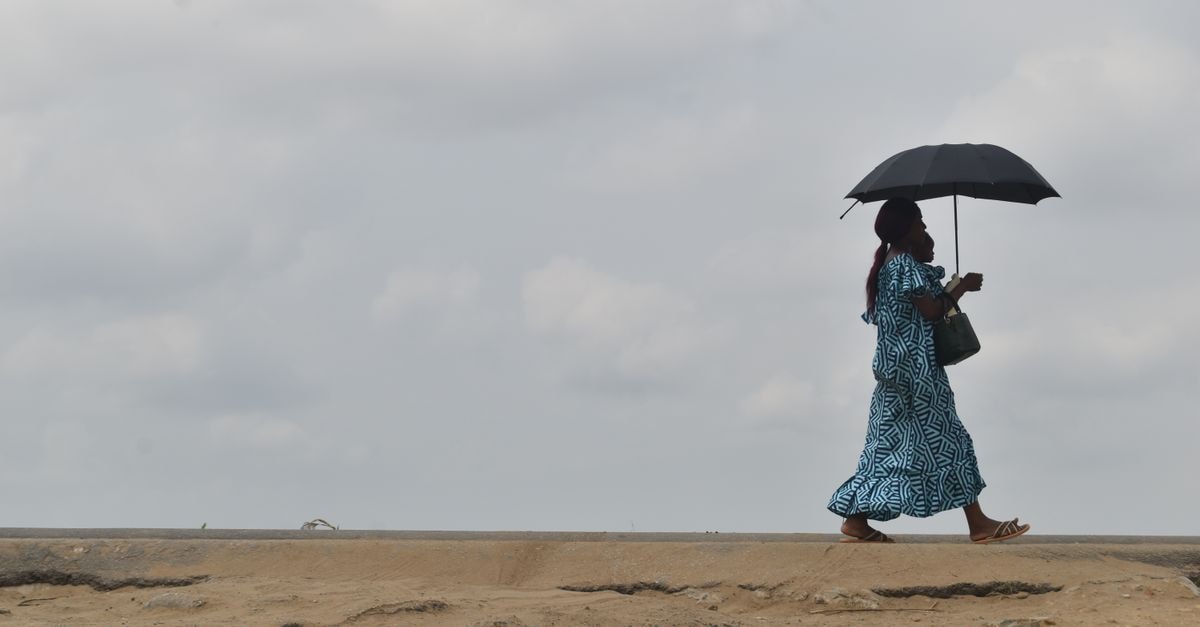
Brazzaville's climate belongs to the wider Congo Basin pattern, which means a generally warm, humid feel year-round with a noticeable green-up during the rainier stretches. The greenery around the city intensifies during wetter periods and the river becomes fuller, a photogenic combination if you can tolerate the afternoon rains. This kind of rain typically arrives in short, dramatic bursts rather than all-day drizzle, so a light umbrella or a packable rain layer is more useful than heavy waterproof gear.
Sun protection is worth thinking about in advance. **Sunscreen, particularly at SPF 50 or higher, is worth sourcing before you travel if you have a preferred brand, since imported products in Brazzaville can be expensive.** A wide-brimmed hat and light long sleeves also do real work here, especially in the middle of the day when the light is most direct.
Because the weather shifts through the year, the most useful seasonal mindset is to plan your outdoor anchors for the cooler early mornings and late afternoons, and to save indoor time, meals, and shade breaks for the heat of midday.
Food and local context
Brazzaville's food culture has a particular momentum, and once you understand it, the city opens onto a much wider table.
The day starts early, around **5 AM, when the first baguette vendors wheel their wooden carts past the faded colonial facades along Avenue de l'Indépendance**. This is one of the most quietly charming sights in the city: a small procession of carts, warm bread, and the first exchanges of the day. It is also a gentle reminder that the best food experiences here often begin before most visitors have finished breakfast.
Along the river, **fishermen drag nets at dawn near the Brazzaville Beach area, selling still-twitching tilapia to market women who carry them in plastic buckets balanced on their heads**. That single image captures a lot about how food moves through the city: it is local, it is fresh, and it passes through human hands rather than refrigerated supply chains. If you eat well in Brazzaville, it is usually because someone walked, carried, or carried-on-head what eventually reached your plate.
In wider Republic of the Congo context, the country's food culture offers a blend of African flavors shaped by its cultural tapestry, and visitors in Brazzaville will likely encounter this countrywide cooking character through hearty stews and flavorful grilled meats as part of the everyday eating landscape. Treat that as orientation rather than a to-do list: it tells you what kind of flavors to expect on menus, not which specific places are best.
A few grounded habits serve visitors well:
- Follow the bread. Where the morning baguette carts cluster, the neighborhood is awake and the food will be good. - Eat fish the same day it comes off the river if you can; the freshness is part of the experience. - Ask locally about which market is busiest that day, because Brazzaville's food rhythm is more about the day of the week than any fixed schedule.
Where to stay and how to plan a visit
For central access, several hotels in **central Brazzaville sit within walking distance of main attractions**, which is a practical anchor if you want to minimize transport negotiation. One example that appears in available listings is **Hotel Hippocampe**, popular with NGO workers and long-term visitors, offering reliable accommodation with basic amenities. Rates in the available sources are quoted in the **$80–$120 USD per night** range, which gives a rough bracket for budgeting, though you should always confirm the current rate directly with the property before booking, as prices in the city can shift.
When you are planning a visit, one useful approach is to build the days around two or three anchors and let the rest fill in. A sample rhythm that respects the evidence:
- Morning: walkable anchors such as the Basilique Sainte-Anne-du-Congo and the central avenues, timed for the cooler light. - Midday: shade, a long lunch, and a slow break during the heat. - Late afternoon: riverfront wandering and golden-hour photography along the water.
For tours, available listings include **cultural and historical guided tours of Congo Brazzaville starting from around $78**, which can be a useful way to compress orientation into a single day if your time is short. As with hotels, confirm the current price, inclusions, and availability directly with the operator before you commit, because rates and schedules can change.
A final note on verification
Any practical detail that costs money, depends on a schedule, or changes with the season is worth a quick check before you act on it: hotel rates, tour prices, taxi fares, sunscreen availability, and weather windows all shift over time. Treat the figures and habits in this guide as a starting framework, and confirm anything load-bearing through official channels, your accommodation, or a current local contact before you travel. Factual travel conditions can change, and a small confirmation habit is often the difference between a smooth trip and a frustrating one.
Share this article
TOOLS FOR THIS PLAN
Make the Brazzaville plan measurable
Choose a tool only when it answers the next question in your trip. Your values stay in the browser, and each tool offers a route back to this planning context.