A River Capital at the Edge of the Forest

Ouésso sits in the far north of the Republic of the Congo, holding the title of capital of the Sangha Department. It is a town shaped by water, by trees, and by the slow rhythms of an equatorial climate. Visitors who land here are usually choosing a wilder, less-trampled corner of Central Africa, and the town's small footprint, French colonial bones, and Sangha River setting give it a quietly distinctive character.
This guide focuses on what a traveler can reasonably rely on when planning a trip: the local weather context, the limited transport options into the city, and the town's historical role as an administrative and trading post on the Sangha.
Weather and Seasonal Context
Ouésso rests inside the Congo Basin, where the climate is consistently warm and humid. The pleasant equatorial climate in the north of the country guarantees both humidity and warmth, which means visitors should expect a year-round feeling of softness in the air, with little seasonal swing in temperature.
In climate terms, Ouésso has a tropical monsoon climate, bordering on a tropical rainforest climate. That classification is a useful hint about what daily life here feels like: rainfall is a regular presence, mornings can feel heavy and still, and brief intense showers are part of the rhythm rather than a disruption. Travelers who enjoy green, soaked landscapes and lush forest photography may find conditions that match their preferences, while those who dislike persistent humidity may want to pace the day with breaks, lighter clothing, and patience for afternoon rain. Because conditions can feel humid throughout the year, packing quick-dry layers, light rain protection, and insect-aware clothing tends to serve visitors better than relying on a specific seasonal window.
It is worth noting that detailed public information about Ouésso's history and day-to-day municipal services remains limited, so visitors may want to set realistic expectations for what kind of written guidance exists once they arrive.
Getting Around
Ouésso's links to the wider country are thin but real, and they shape how a visit begins and ends.
By air, Ouésso Airport serves the town. The airport handles irregular charter flights from Brazzaville, which means scheduled service is not the norm. Travelers who prefer direct, predictable connections may need to weigh the uncertainty of charter schedules; travelers who are comfortable with flexible routing, who can wait for a confirmed seat, and who value reaching the north of the country without a long overland journey may find the charter option worth investigating through local operators. Booking windows, exact flight days, and pricing are not covered here, so a direct check with the operating company is the sensible next step.
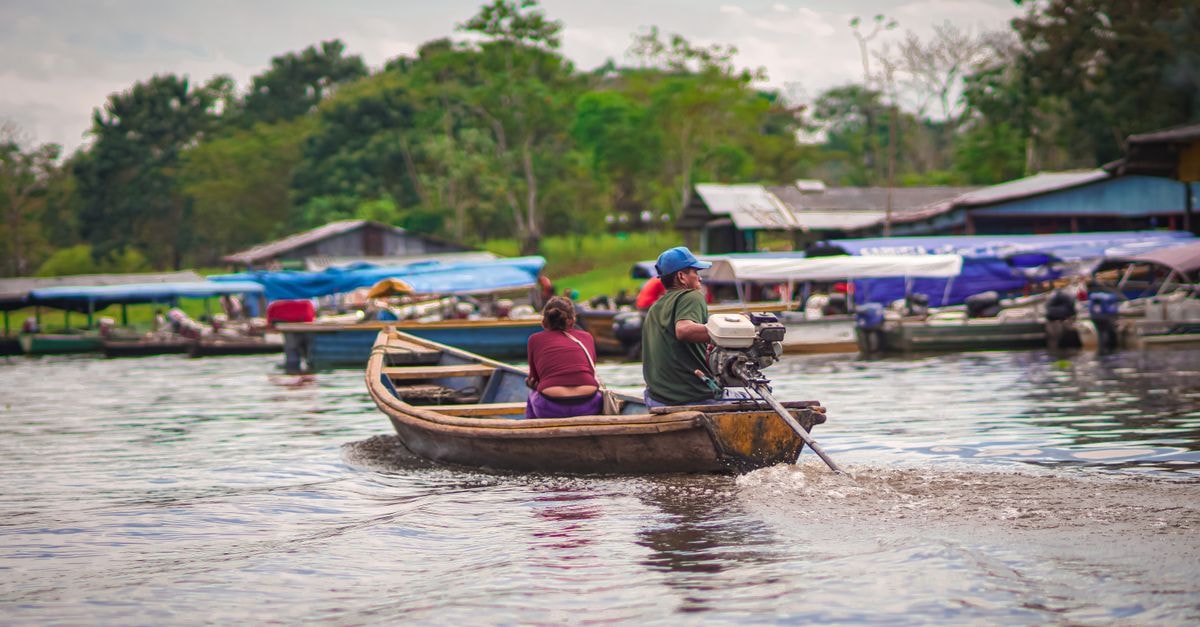
Overland travel into and out of Ouésso is constrained by the region's dense forest and river geography. Within the town itself, distances are small, and movement tends to be on foot or by local arrangement rather than via a developed public transport network. Travelers who prefer walkable towns with short distances between points of interest may find Ouésso's scale manageable; visitors who rely on frequent, formal public transit should be prepared for a more improvised approach.
Attractions and Planning
Ouésso's interest for visitors is less about a checklist of blockbuster sights and more about understanding the place as a regional capital with a particular past.
The town was established in the early 20th century as a key administrative post by French colonial authorities along the Sangha River, serving as a hub for the region's trade and exploration. That origin story still defines the town today: it sits on a major river in a forested department, and its role is administrative rather than touristic. Travelers interested in post-colonial history, river-town atmospheres, and the quiet logistics of governing a remote region may find Ouésso rewarding, while those looking for dense museum collections or curated heritage trails may need to temper their expectations.
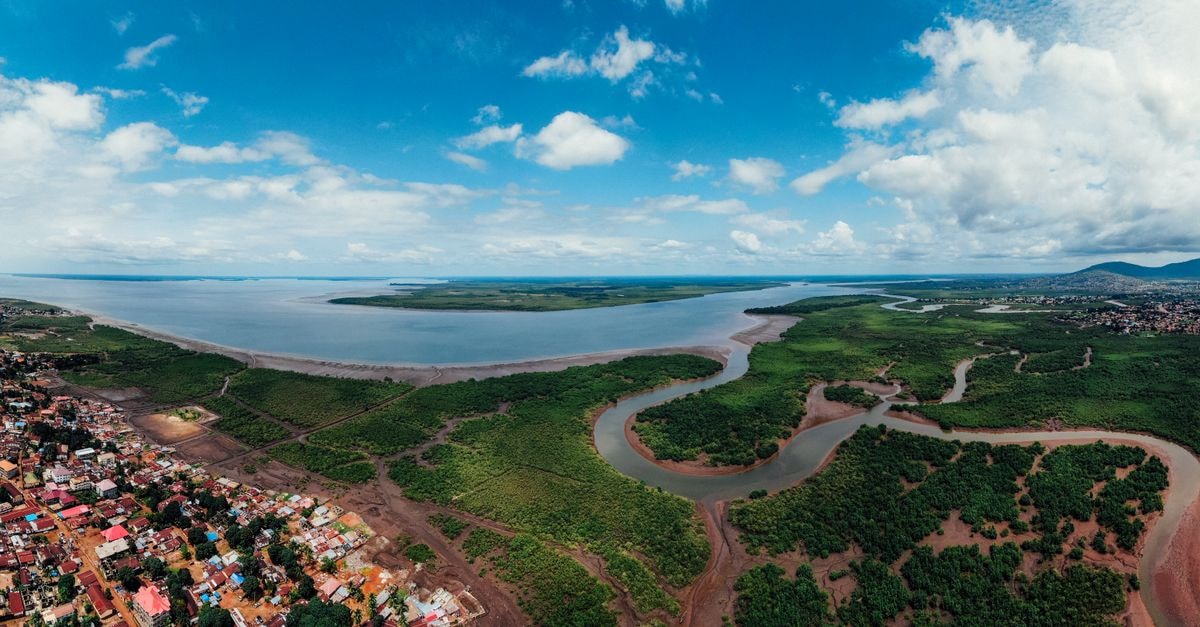
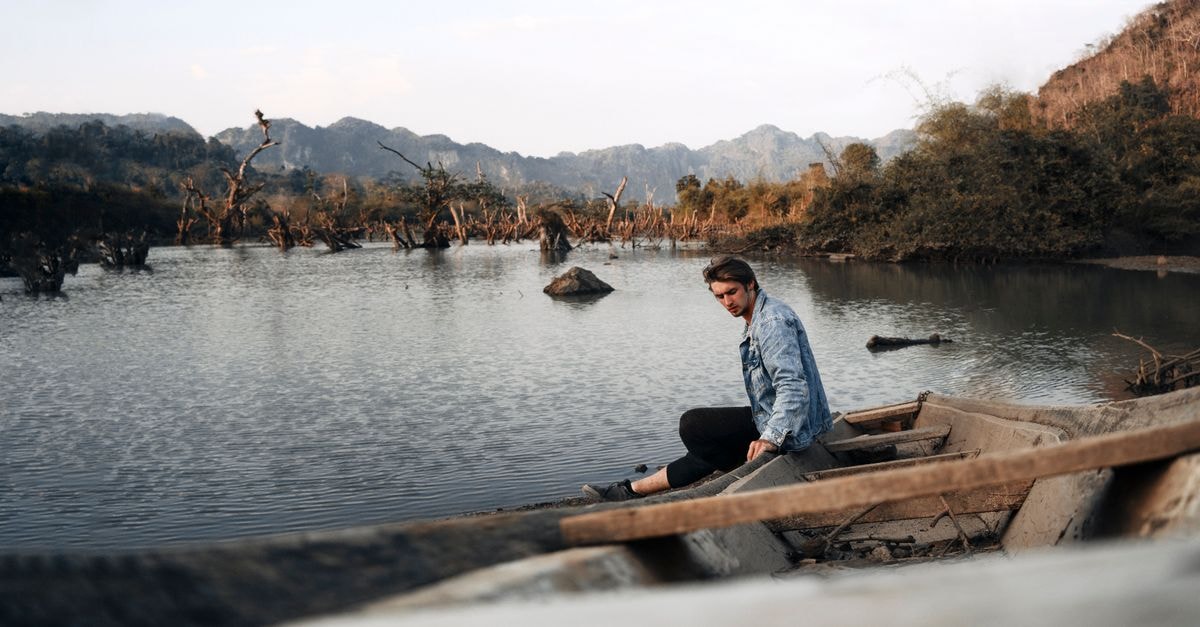
The Sangha River itself is the most consistent visual and cultural anchor. Views across the water, riverside walks where they are accessible, and the sense of a community oriented toward the river tend to be the strongest shared experiences for visitors. Forest surrounds the town, and any appreciation of Congo Basin ecology will be enriched simply by being on the ground here, even without formal park visits.
Detailed visitor information about specific attractions, opening hours, and entrance arrangements is not covered in the underlying sources for this guide, so travelers should treat any specific venue, timetable, or fee as something to verify locally before committing time or money.
Choosing What Fits the Trip
A few tradeoffs are worth naming honestly before you go. Travelers who prize reliable, scheduled long-distance connections may find Ouésso's charter-only air link and limited overland routes frustrating; travelers who value reaching a remote river capital with patience and flexibility will likely be more at ease here. The equatorial climate means humidity and warmth are constants rather than surprises, and outdoor days can shift around rain showers. Visitors drawn to administrative towns, river heritage, and the forested Congo Basin will probably feel rewarded by the trip, while those seeking a dense urban itinerary may find the scale modest.
A Note Before You Go
Factual travel conditions change, and the information in this guide reflects what is reliably known about Ouésso's climate, transport links, and founding role. Flight schedules, charter availability, and local services should be confirmed through official channels, local contacts, or your accommodation before departure. Treat this guide as a starting frame for understanding the town, and verify the moving details when your travel dates are set.
Share this article
TOOLS FOR THIS PLAN
Make the Ouésso plan measurable
Choose a tool only when it answers the next question in your trip. Your values stay in the browser, and each tool offers a route back to this planning context.