Arriving in Kindu: A River-Port Mental Map

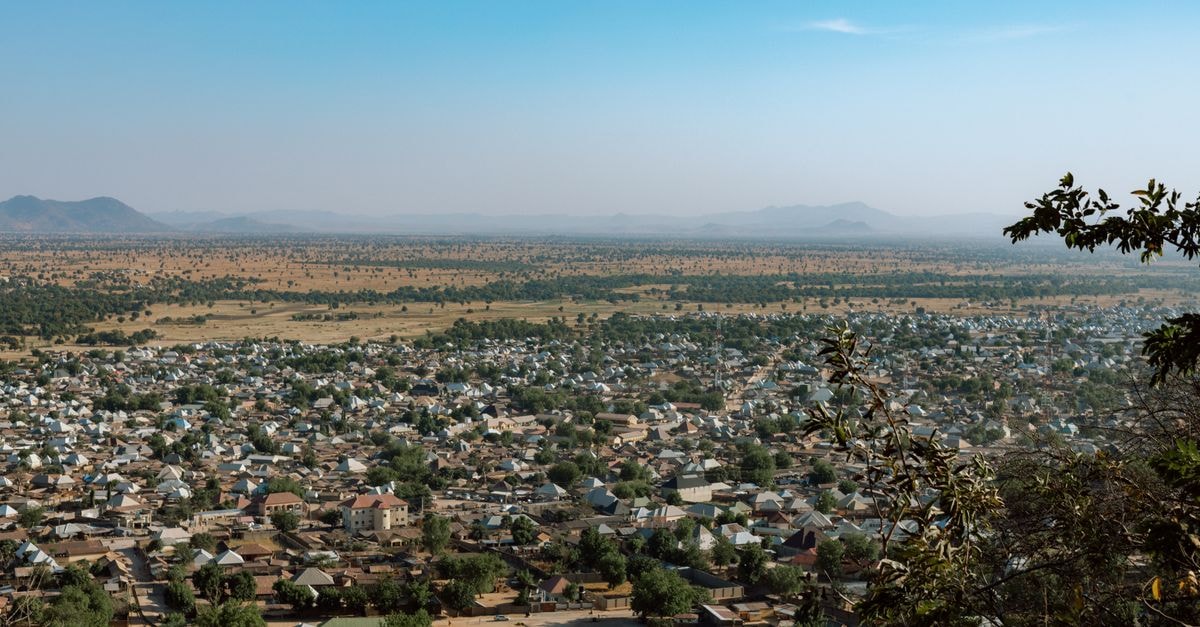
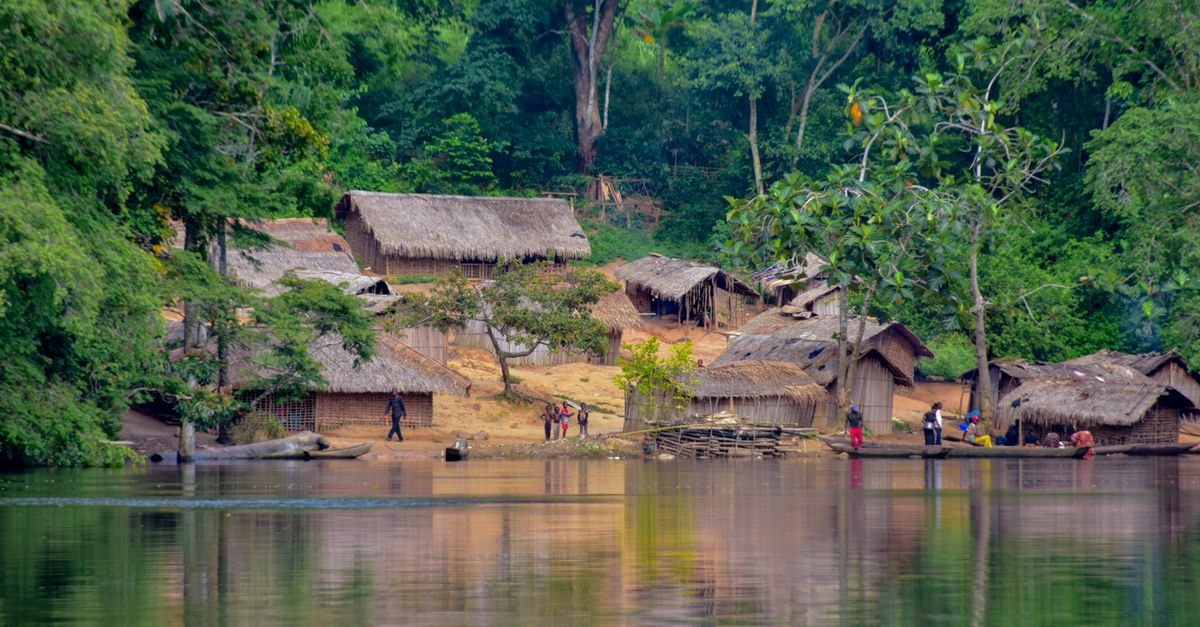
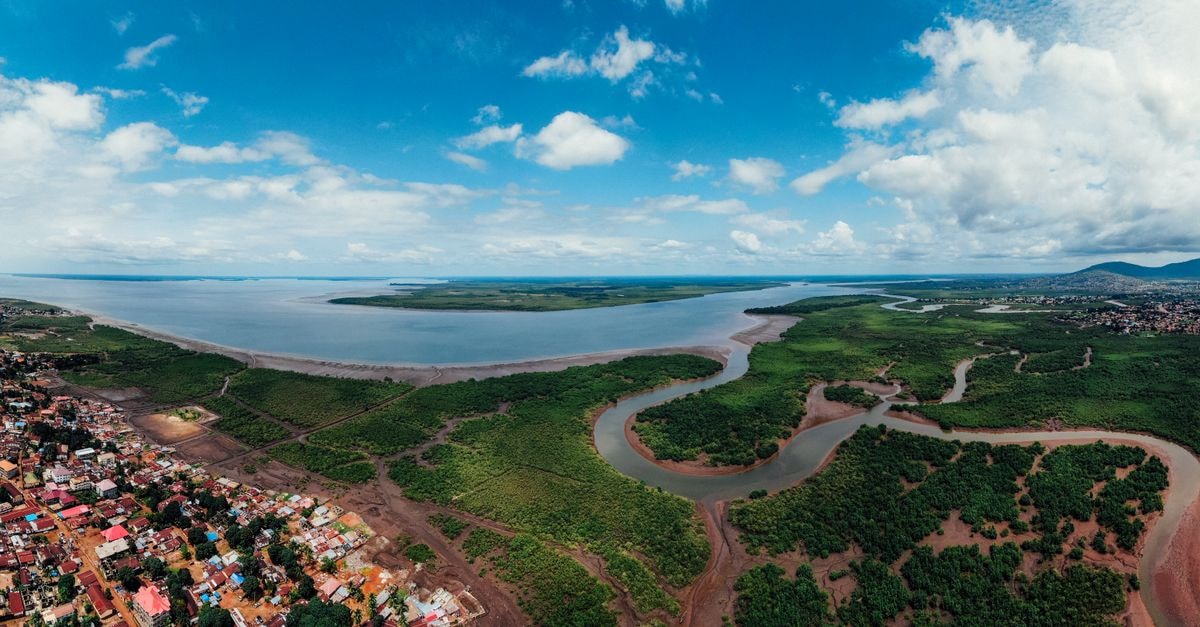
Kindu sits along the Congo River system, and that single fact quietly shapes everything about how a visitor experiences the place. The town has historically served as an important port along this inland waterway, which gives the city a particular rhythm: movement by water, trade flowing through its banks, and a way of life tuned to the river rather than to long-distance road networks. Understanding Kindu begins with accepting that it is a working river town, not a polished tourist stop, and that its appeal lies in exactly that honesty.
Access into the city is supported by an airport with a 2,200-metre runway, which means visitors who plan ahead can reach Kindu by air rather than navigating an extended overland route. For most travellers, this makes flying the realistic option. Once on the ground, the river-port identity continues to influence pacing: distances within the city feel measured by foot and by informal transport, and the day tends to flow around the heat, the light, and the rhythms of the river rather than a clock.
A practical mindset helps here. Kindu rewards travellers who arrive with a clear sense of what they want to see and an openness about how the day might unfold. The signed attractions are few but meaningful, and the surrounding experience is more about absorbing the atmosphere of a Congolese river town than ticking through a checklist.
Attractions and Planning: One Signature Waterfall
The standout natural landmark associated with Kindu is the Tshibangu Tshia Kasongo Waterfalls, described as a breathtaking waterfall that visitors often consider a must-see. Beyond this signature sight, the city's appeal is more about its setting on the Congo River system than about a long list of named monuments or curated viewpoints. Planning a visit is therefore less about filling an itinerary and more about giving yourself space to enjoy one major natural site and the river-port atmosphere around it.
Because attractions in Kindu are limited in number, the practical question is usually about pacing and access rather than about choosing between competing sights. Visitors who arrange local transport in advance, carry enough water for the day, and plan their waterfall excursion for cooler hours tend to have the smoothest experience. The river itself is part of the visit, whether you are watching boat traffic from the bank, walking along the waterfront, or simply observing how the waterway frames daily life.
A gentle note on climate context: Kindu sits in a tropical zone, and the city can feel hot and humid for much of the year. Temperatures and current conditions can vary, so visitors should check a reliable weather source before travel and pace outdoor activities accordingly. Light clothing, sun protection, and patience with slower afternoon hours are sensible evergreen habits here.
Food and Local Context: Plantain Smoke and Palm Oil Heat
The flavours visitors encounter in Kindu sit within a much wider Congolese food culture that stretches across the Democratic Republic of the Congo. This national cuisine is often described with evocative imagery: the Democratic Republic of the Congo tastes like plantain smoke and palm oil heat, a phrase that captures the smoky, oily, starchy backbone shared by many regional dishes. Travellers who arrive in Kindu without prior experience of Congolese cooking will quickly recognise these notes in whatever local preparations they are offered.
At the foundation of this food culture is fufu, sometimes called ugali, a starchy accompaniment that appears across the country as the anchor of countless meals. Fufu is not a Kindu-specific specialty but rather a nationwide staple that visitors are very likely to encounter in some form during their stay. It is typically eaten by hand, shaped into a small ball, and used to scoop up stews, sauces, and vegetables. Understanding this single convention makes most Congolese meals feel instantly more familiar.
Beyond fufu, the broader Congolese cuisine varies widely, reflecting the food traditions of indigenous peoples across a vast and diverse country. What unifies it is the use of staple starches, greens, fish or meat when available, and the deep flavours that come from palm oil, slow cooking, and open-fire preparation. In Kindu, given the river setting, fish often features prominently in everyday cooking, though visitors should not expect a formal restaurant scene built around showcasing these dishes to outsiders.
Practical food advice for Kindu is straightforward. Eat where locals eat, accept that menus and signage may be limited, and treat each meal as an opportunity to learn a little more about how a Congolese river town feeds itself. Carry any specialised supplies you need, stay hydrated, and approach unfamiliar dishes with curiosity rather than caution. The food here is part of the visit, not a side note.
Getting Around and Day-to-Day Rhythm
Kindu is not a city visitors typically navigate with a printed map in one hand and a guidebook in the other. Daily movement tends to combine walking with whatever local transport options are operating at the time, and flexibility matters more than a fixed route. The compact nature of the town means that most points of interest, including the port area and the access roads toward the waterfall, can usually be reached within a reasonable radius of where visitors stay.
Because transport patterns in Kindu are informal and can change, the most useful approach is to ask locally about current options rather than rely on assumptions. Drivers, hotel staff, and other travellers are usually the best source of up-to-date information on how to reach a particular sight on a given day. This is true in most working Congolese towns and is simply part of the rhythm of independent travel here.
The slower pace is itself part of the Kindu experience. Long lunches, long conversations, and a generally unhurried approach to the day are typical. Visitors who match that pace, rather than fighting it, tend to feel more comfortable and find that the town reveals itself in small ways throughout the day.
A Short Note on Costs
Because the available evidence does not include specific price ranges, restaurant menus, hotel rates, or transport fares for Kindu, this guide deliberately avoids quoting numbers that could mislead. Travellers should plan a flexible daily budget based on personal preferences and check current rates and conditions closer to departure. Exchange rates fluctuate, so any cash brought into the country should be treated as a reference amount only and confirmed against the live rate on arrival.
A reasonable starting point is to budget conservatively, carry small-denomination local currency where possible, and keep a buffer for unexpected costs such as informal transport, guides, or changes to plans. Independent travellers who have experience in other parts of the Democratic Republic of the Congo will find Kindu's cost pattern broadly familiar.
Final Practical Notes and Verification
A few evergreen reminders before any visit to Kindu. Confirm flight schedules and availability through the airline or a local contact, as services in smaller Congolese cities can change without much notice. Check current travel advisories from official government channels before departure and again shortly before travel. Verify weather conditions for the period of your stay and adjust clothing and daily plans accordingly. If you plan to visit Tshibangu Tshia Kasongo Waterfalls, arrange local transport and any needed guide through a trusted contact in town rather than assuming an organised tourist route.
Travellers should also remember that Kindu is a working city, not a resort. The experience is more atmospheric than curated, more about the river, the food, and the people than about a long list of attractions. That is exactly what makes it worth visiting for the right kind of traveller: someone who wants to see a real Congolese river town, stand in front of one stunning waterfall, and taste the wider flavours of a vast and varied national cuisine.
As with any destination, factual travel conditions can change. Flight schedules, transport availability, weather, and on-the-ground services should be verified through official channels and local contacts before departure, and again during the trip itself.
Share this article
TOOLS FOR THIS PLAN
Make the Kindu plan measurable
Choose a tool only when it answers the next question in your trip. Your values stay in the browser, and each tool offers a route back to this planning context.