A Quiet Inland Pocket Framed by Water and Forest

There is a particular kind of silence that gathers around the Brokopondo District, where the country's largest reservoir meets thick rainforest and small communities hold their own rhythm. Travelers who arrive here tend to be the kind who trade cruise-ship buffet lines for the hush of a forested lake shore, the rustle of leaves under a tin roof, and evenings that end with the slow plash of water against a dock. Brokopondo is not a place that performs for visitors; it offers itself gradually, in the layering of greens across the reservoir at sunrise, in the warmth of a shared meal at a jungle lodge, and in the easy hospitality of a town that still feels close to the land around it.
The district itself was established in 1958, with Brokopondo Centrum as its main town, and it borders both the Para and Sipaliwini districts. The population is predominantly Maroon, and that heritage shapes everyday life in ways that travelers will notice in passing, from the names of villages along the water to the cadence of conversation in the market square. For visitors, the experience reads less like a checklist of sights and more like an immersion in a working landscape where the forest, the river, and the reservoir are still the main characters.
Weather and Seasonal Context
The climate around Brokopondo is unmistakably tropical, and the air carries a heavy, vegetal warmth for much of the year. Conditions typically feel hot and very humid, with daytime temperatures often climbing into the low thirties Celsius and nighttime readings settling into the mid-twenties. Mornings can begin with a soft brightness over the water, only for clouds to build through the afternoon, a familiar rhythm in Suriname's interior. Rainfall in the district can be significant, so visitors should expect the possibility of heavy showers and partly cloudy skies even on days that start out clear.
The practical effect of this climate is that the rainforest around the Brokopondo Reservoir feels lush and densely layered. Moisture hangs in the canopy, tree trunks gleam after a rain, and the flooded forest at the edges of the reservoir reveals the skeletons of older trees still standing in the water. Because the heat and humidity can be tiring, slow mornings and shaded afternoons tend to suit travelers better than a packed, fast-paced schedule. Lightweight clothing, a hat, plenty of water, and a patient attitude toward sudden downpours are the kind of small comforts that change the texture of a day here.
The town of Brownsweg, near the entrance to one of the area's well-known nature reserves, captures the local climate well: while quiet, the town offers glimpses of Surinamese rural life and easy access to stunning rainforest and wildlife experiences. Travelers passing through can expect a small settlement where life moves at the pace of the weather, and where conversations with locals tend to happen on porches, at the dock, or under a broad-leafed tree.
Getting Around
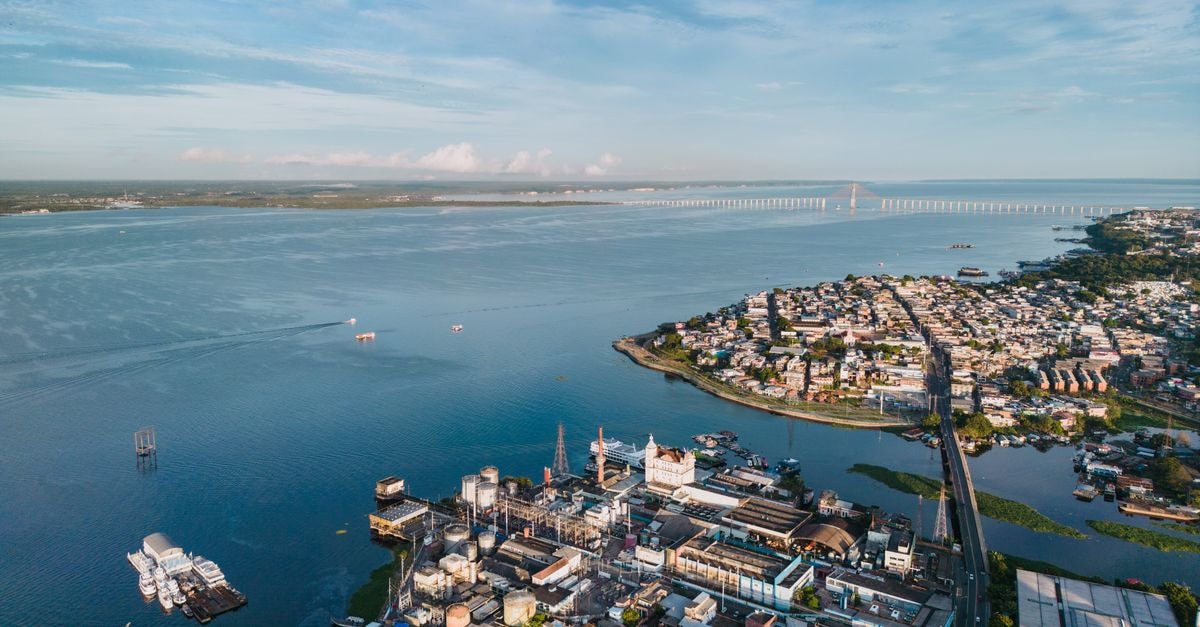
Movement in Brokopondo is shaped by water as much as by road. The Brokopondo Reservoir is enormous, a vast inland sea dotted with forested islands and the remains of trees that stood before the valley was flooded. Boat is the most natural way to cross long stretches, and a reservoir boat cruise is one of the classic ways to spend a slow afternoon. The route weaves between drowned tree trunks and forested islands, and the surface of the lake changes color with the light, shifting from silver at midday to deeper greens and grays as the day cools. These cruises feel unhurried, with the engine at a low murmur and the forest close enough to study from the water.
Land-based travel in the district runs through a network of roads that connect Brokopondo Centrum to smaller communities and to trailheads leading into the rainforest. Brownsweg sits along this network as a useful waypoint, particularly for visitors heading into nearby protected areas. The Brownsberg plateau is a striking slice of nature covered in thick jungle and bordering the vast Brokopondo reservoir, and reaching it typically involves a road transfer followed by a climb, with the payoff being wide views across the lake and the forest canopy.
Within the reserve area, Brownsberg Lodge offers a base for travelers who want to spend more than a few hours in the forest. It is the kind of place where days are organized around the trails and the weather, and where the simple lodge kitchen serves hearty Surinamese meals with sweeping views over the lake. Evenings at the lodge tend to settle into long, lantern-warm conversations, with the sound of the forest rolling in through open walls.
What the Days Actually Feel Like
A typical day in Brokopondo begins early, when the air is still cool enough to sit outside comfortably and the reservoir mirrors the first light. Mornings are often spent on the water or on a forest trail, with the heat building slowly under the canopy. Midday tends to slow everyone down, and a long lunch in a shaded lodge dining room, with simple, hearty plates of rice, plantain, and fish or chicken, becomes the natural anchor of the day. Afternoons belong to the reservoir: a boat weaving between drowned trunks, a swim in a quiet cove, or simply watching the light move across the water from a porch chair.
Evenings arrive quickly in the tropics, and the sky over the lake often puts on a long, slow show of color before the dark settles in. Nights are punctuated by the calls of frogs and insects, and the kind of deep quiet that is hard to find in busier parts of the country. It is in these small rhythms that Brokopondo reveals its character, less as a place to rush through and more as a place to settle into for a few days.
Before You Go
Brokopondo is a district of sweeping landscapes, towering forests, and remarkable history, and its character is best approached with a flexible mindset and a willingness to slow down. Roads in the interior can be slower than expected, and weather can affect both driving time and boat schedules, so building in buffer days and asking locally about current conditions helps keep the trip relaxed. Cash is useful in smaller communities, and travelers should be prepared for limited connectivity once they leave the main town. Conditions on the ground evolve, so confirm specific arrangements through local contacts before setting out.
Prices, opening hours, schedules, reservation rules, and local conditions can change; verify them through official channels before departure.
Share this article
TOOLS FOR THIS PLAN
Make the Brokopondo plan measurable
Choose a tool only when it answers the next question in your trip. Your values stay in the browser, and each tool offers a route back to this planning context.