Setting the Scene in Buca

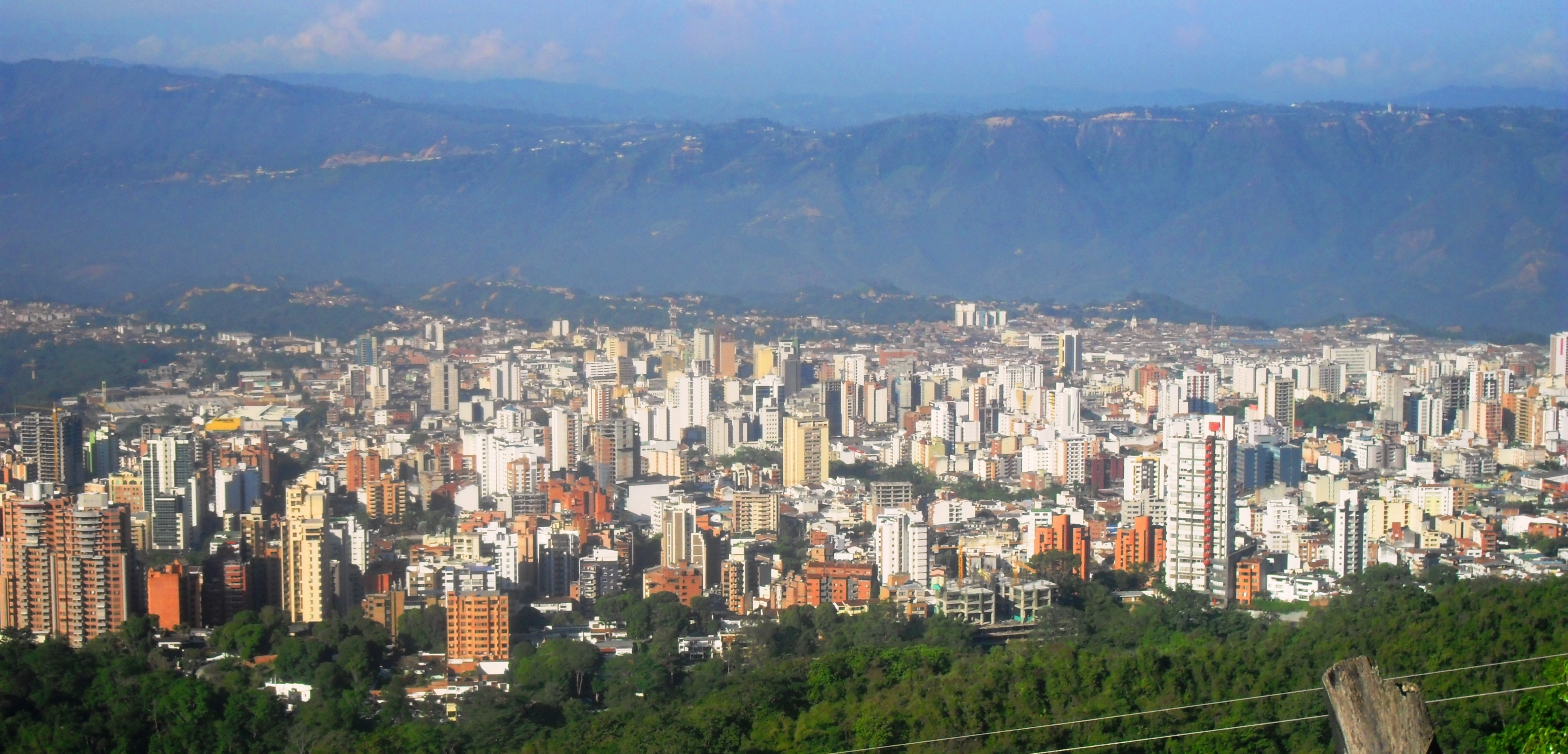
There's a particular kind of welcome that comes from a city built on a high shelf of the Andes, and Bucaramanga is exactly that. Locals shorten the name to **Buca**, and the nickname carries the kind of casual affection that hints at pride in place. The city is the capital of the **Santander department** in northeastern Colombia, set in a mountain valley near the Venezuelan border and surrounded by the spurs of the Cordillera.
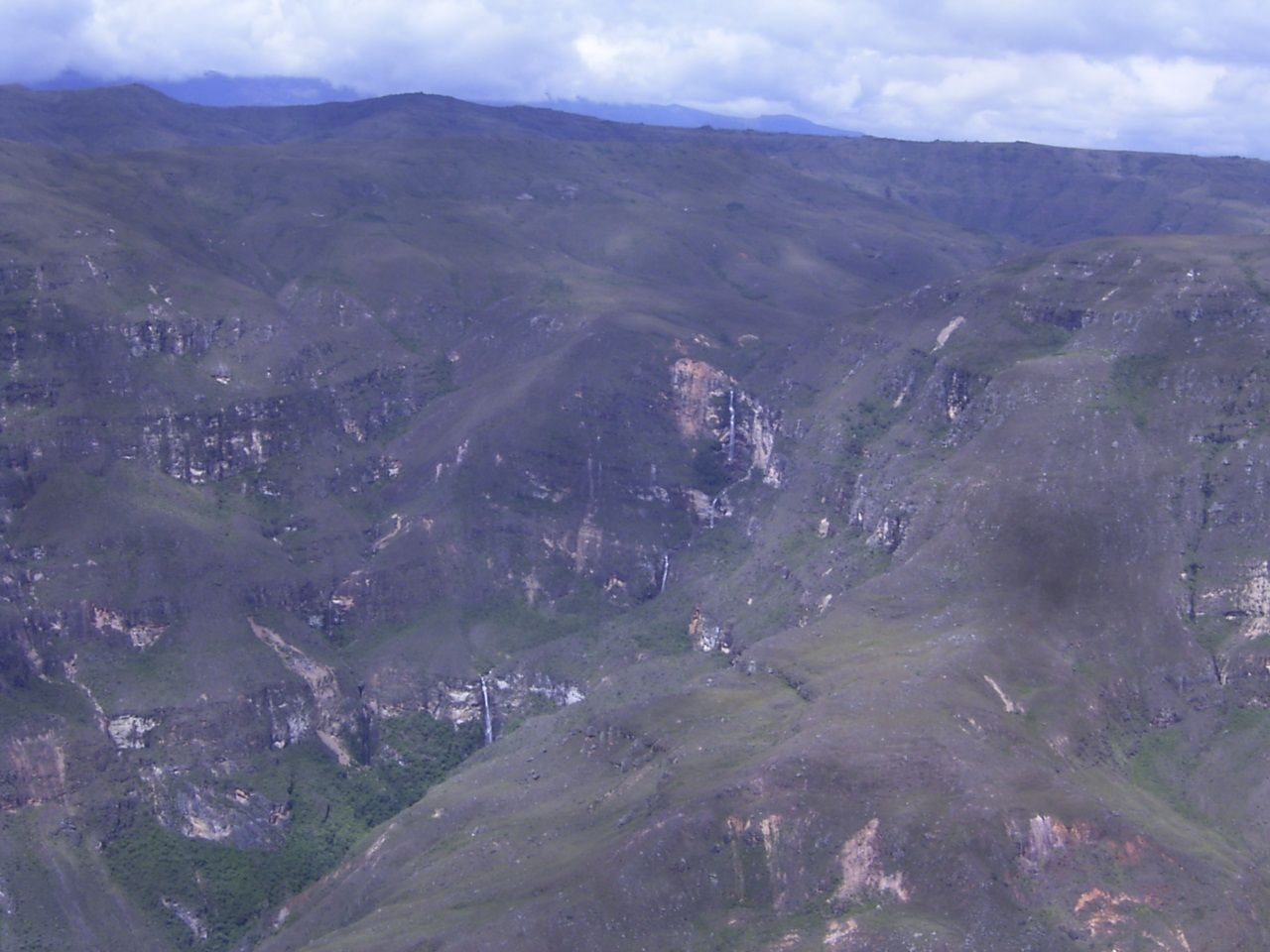
What strikes visitors who pay attention is how that geography shapes everything. The Cordillera Oriental peaks form a soft ring around the plateau, and the organized urban layout that sits inside it gives the city a tidy, almost orderly feel for its size. Founded in 1622, it has expanded over time into one of Colombia's larger urban centers, with a metro population of more than a million. You don't need to climb anything to feel the scale; the surrounding mountains do the framing for you.
Getting Around
The good news for anyone exploring Bucaramanga on foot and by local transport is that the city is known for its impressively organized urban layout. The grid is easier to read than in many Colombian cities, and short distances between central points mean that combining a walk with short rides is often the most rewarding way to get a feel for the place. Because the city sits on a plateau rather than spilling unevenly across ridges, walking between main squares and avenues tends to feel less strenuous than the elevation alone might suggest.
That said, the surrounding mountain backdrop can be deceptive: streets that look flat may climb gently toward a mirador, and the views you're promised are real but earned in small, gradual steps. Pace the day accordingly, and you'll find the layout rewards unhurried wandering more than checklist rushing.
Sights Worth Building a Day Around
Bucaramanga's location on a high plateau surrounded by the peaks of the Cordillera Oriental means that viewpoints are part of the city's identity, not an afterthought. The skyline keeps shifting as you move through different neighborhoods, with the green shoulders of the mountains appearing between buildings and over rooftops.
For travelers who want the classic elevated view, **Cerro del Santísimo** in the Cerro de la Judía nature area offers a sweeping look over the metropolitan area from its ecopark and monument. It is the kind of place where you go once for the photo and stay longer for the quiet, watching light move across the valley.
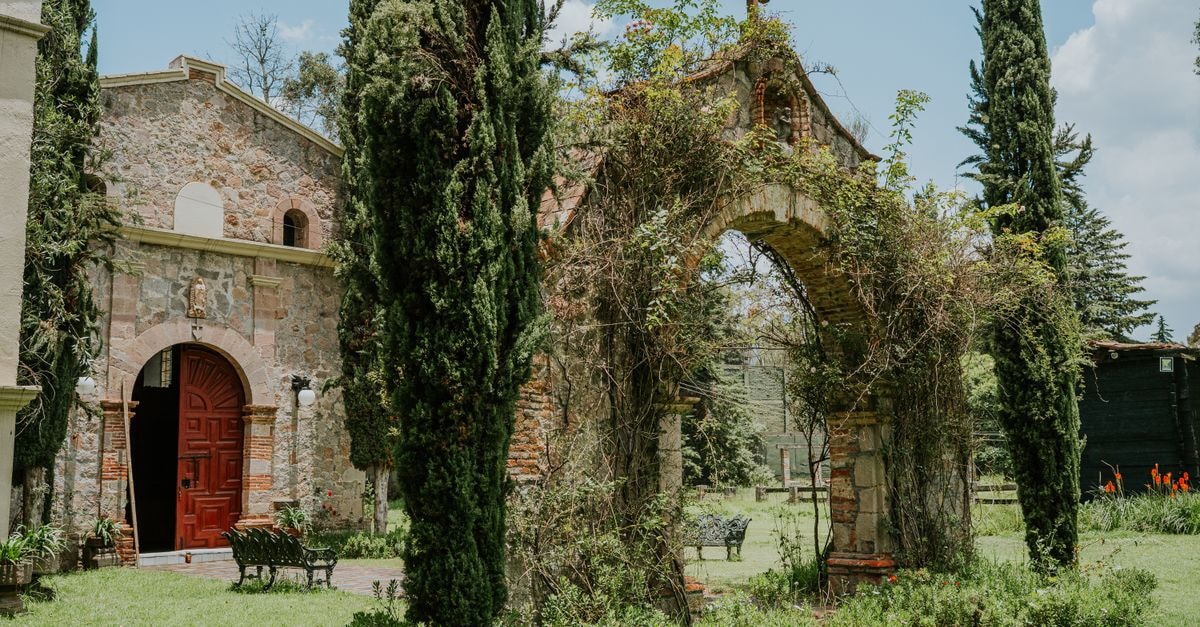
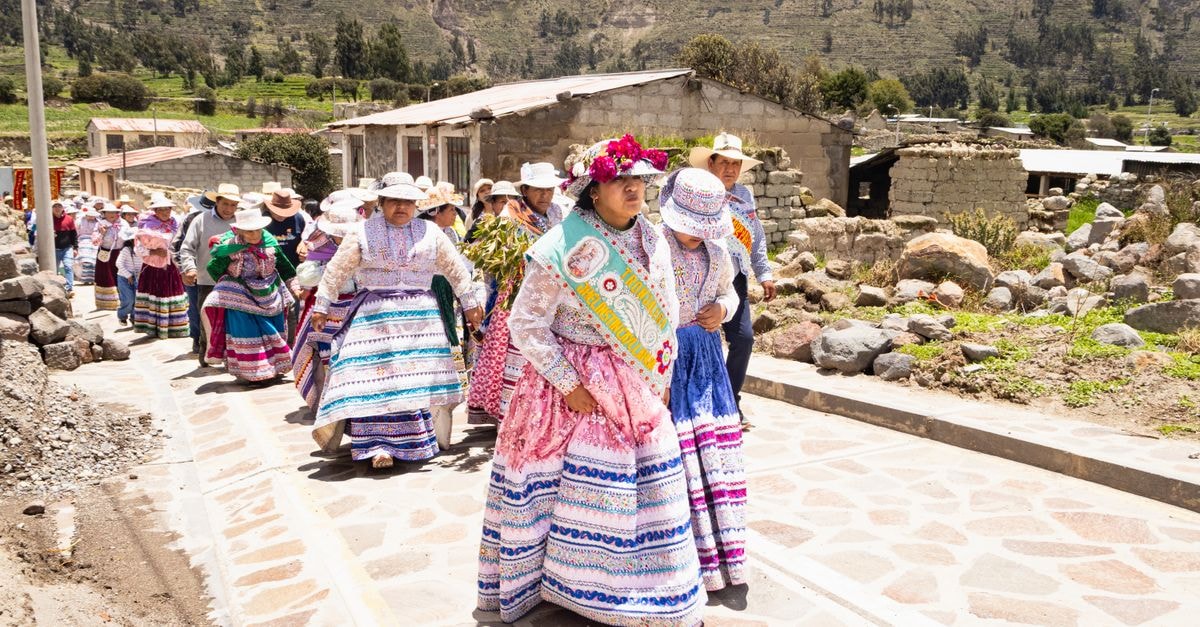
Inside the city, the colonial past stays close to the surface. **Girón**, known as a heritage town in the Santander area, is widely described as the colonial jewel of the region and a preserved monument of Andalusian lineage. Its streetscape is the reason day-trippers and curious locals keep coming back, and the whitewashed walls and tiled roofs make it feel like a small step out of the modern city and into an older Colombia.
Because the central layout is so readable, you can stitch together a gentle morning of plazas and a slow afternoon in the surrounding nature without feeling rushed. The plateau setting means that, even in the middle of the urban grid, glimpses of the Cordillera keep reappearing, anchoring you in the landscape.
Food and the Wider Colombian Table
Bucaramanga sits inside a much larger Colombian food culture, and understanding the country context helps you read any menu you encounter during your visit. Colombian cuisine famously tastes like geography: altitude, river valleys, coasts, and coffee country each leave their mark on the table.
Two reference points tend to come up again and again across the country, and they are worth knowing before you order. **Bandeja Paisa** is the heartland mountain plate from the Antioquia region, traditionally loaded with beans, rice, meat, plantain, egg, and avocado — the kind of dish that arrives looking generous and is meant to be shared slowly. Beyond that single iconic plate, Colombian cooking stretches across a long list of regional specialties, from coastal seafood preparations to Andean soups and hearty potato-based plates. As a visitor to Bucaramanga, you will encounter elements of this wider Colombian table at everyday meals; the Santander department adds its own touches, but the country's culinary heritage is the backdrop against which local menus make sense.
A useful traveler mindset is to treat the local version of familiar Colombian dishes as a window into how Santander cooks, rather than expecting a single signature plate. Asking what is regional — what grows nearby, what the kitchen is proud of this week — usually leads to the most memorable meals.
Planning Notes and What to Verify
Because this guide is written as durable city guidance rather than advice tied to a specific week, a few details are best confirmed close to your trip. The practical shape of getting around Bucaramanga is unlikely to change quickly — the plateau setting and orderly layout are longstanding features — but opening arrangements for individual viewpoints, transport options, and any ticketed sites should be checked with official channels before you set out. Currency, in case you convert on arrival, is only a reference figure; live rates at the time of travel will differ.
What you can plan with confidence is the shape of the experience itself: a city that opens up gently across a high plateau, mountains framing every direction, a colonial heritage town nearby, and a national food culture that meets you at nearly every meal. Treat the planning as light, and leave room for the kind of slow exploring that the layout invites.
---
**A note on accuracy:** Travel conditions evolve. Factual details about transport, opening arrangements, and on-the-ground services in Bucaramanga can change, and official channels should be checked before departure to confirm anything that might affect your day-to-day plans.
Share this article
TOOLS FOR THIS PLAN
Make the Bucaramanga plan measurable
Choose a tool only when it answers the next question in your trip. Your values stay in the browser, and each tool offers a route back to this planning context.