A City at the Edge of Two Worlds

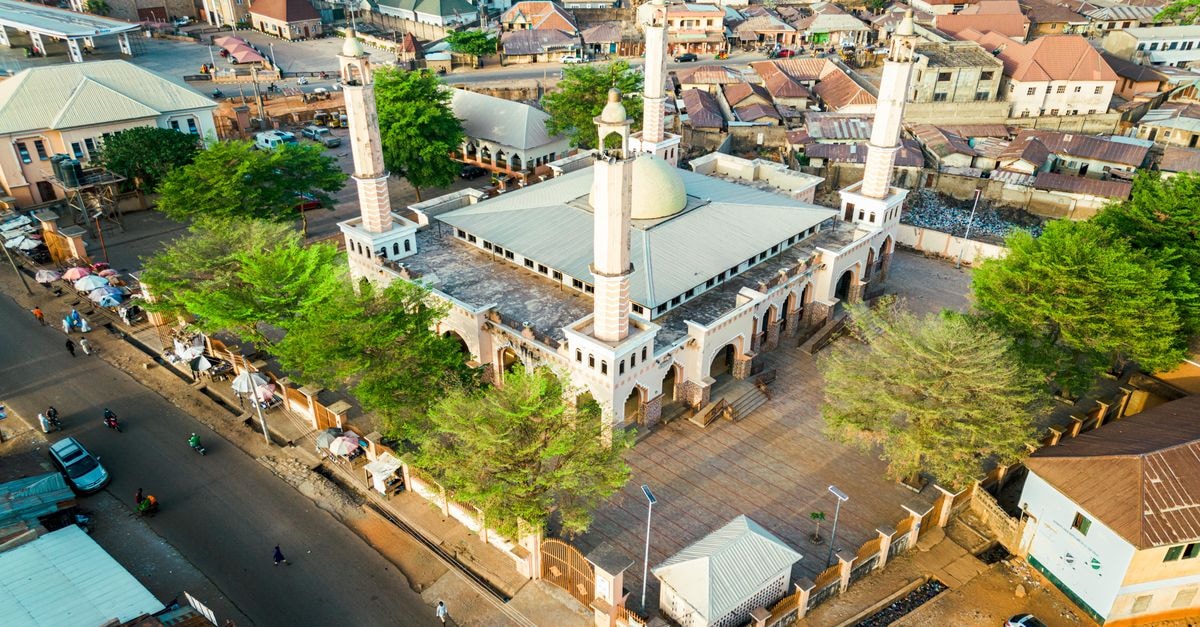
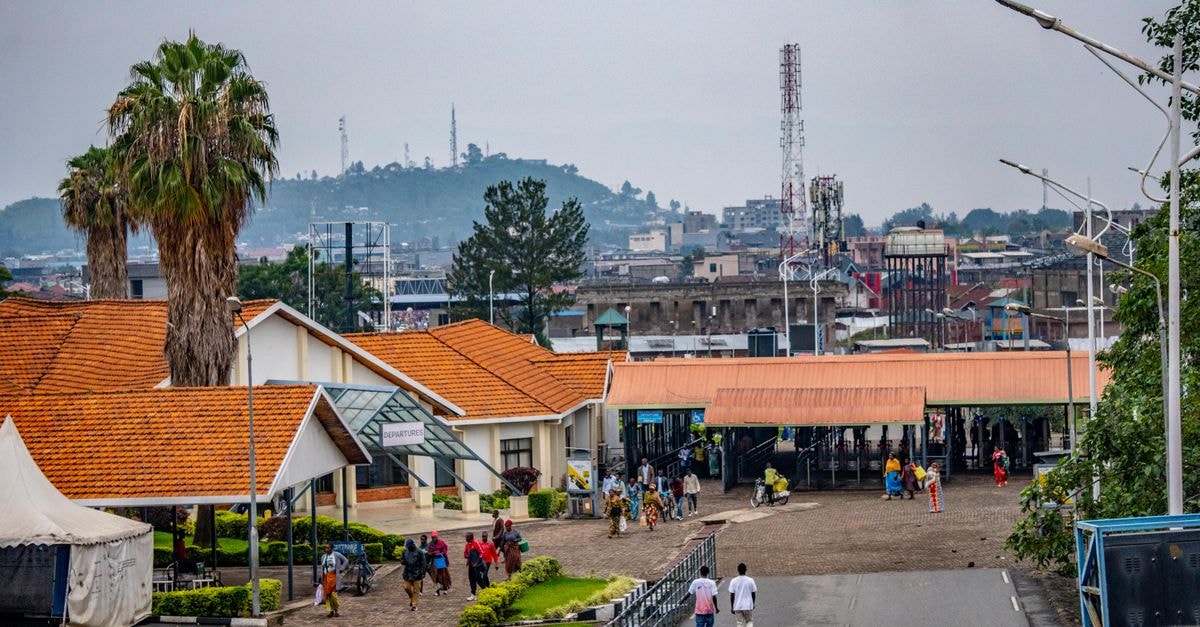
Bunia has the kind of setting that quietly catches the eye of travellers who love the spaces between savanna and rainforest. It is the capital of Ituri Province, sitting in the northeastern stretch of the Democratic Republic of the Congo, and it carries the dual personality of a working provincial city and a launchpad into one of Africa's most distinctive ecological regions. The surrounding landscape moves from open skies into lush greenery, and the city itself feels like an outpost with a story, less polished than the country's western hubs but threaded with a tangible sense of place.
For visitors who arrive curious rather than checklist-driven, Bunia offers something rare: the feeling of a city that is still intimately tied to its natural surroundings. Markets hum, motorbikes weave through dusty streets, and the wider world opens up just past the city's edge. It is a destination for travellers who value texture over gloss, and for those who understand that a city like Bunia asks for patience, listening, and a willingness to let the trip unfold slowly.
Weather and Seasonal Context
Bunia sits in a tropical belt where the rhythm of the year is shaped more by rainfall than by the swing of temperatures. The surrounding area is described as rich in lush landscapes, a phrase that hints at the steady greenness that rainfall sustains throughout the year. Travellers should expect warmth and humidity for much of their visit, with conditions that can feel soft and heavy under cloud cover and bright when the sun breaks through. The greenery surrounding Bunia is no accident; it is a region where nature tends to feel close at all times of year, which is part of why the city reads as a place where outdoor exploration is always possible.
Pacing matters here more than packing. With humidity and warmth as constants, it can be a good idea to structure the day with gentler movements during the brightest hours and reserve walks, market visits and outdoor time for the softer edges of the day. Hydration and breathable clothing are practical friends, and a flexible attitude toward sudden showers tends to serve visitors well. The feel of the season can shift with rainfall patterns, so travellers who like to be in tune with the land often find themselves paying attention to local skies more than to a calendar.
Accommodation in Bunia tends to centre around places such as Bunia Guesthouse Mission accommodations, with Premium Reserve lodges appearing when availability allows. These are useful reference points for travellers setting expectations about where to rest their head; they suggest a small but functional range that prioritises practical comfort over luxury flourishes, fitting for a city that functions as a regional hub rather than a tourist resort.
Getting Around
Bunia's positioning is part of its appeal. The city is widely described as the gateway to Ituri's rainforest and savanna, which means that getting around is really about deciding how far you want to push beyond the city limits. For visitors interested in birds, primates and the broader biodiversity of the Ituri rainforest, Bunia often functions as a base from which guided excursions into the forest begin. Local guides are central to this experience, and arranging a trip through them is how most travellers connect to the wilderness that defines this corner of the Congo.
Within the city itself, movement tends to be modest and informal. Markets are a natural anchor for many visits, and they are described as places where cassava and smoked fish appear alongside other everyday goods. For visitors, this is less about a grand shopping experience and more about absorbing the texture of local life: how produce arrives, how tradespeople interact, how a morning at the market can sketch a portrait of regional food culture in its most everyday form.
It is worth being honest about the broader context. The region carries a recent history that demands caution, and this shapes how thoughtful visitors approach their time in Bunia. Travellers who do come tend to keep plans flexible, stay informed, and rely on local guidance to navigate everything from transport choices to the pace of their days. It is not a destination to approach casually, but for those who plan with care, it can be deeply rewarding.
A City Defined by Its Surroundings
What makes Bunia memorable, more than any single landmark, is how the city is threaded into its landscape. It is described as a place known for its rich cultural heritage and proximity to natural attractions, which captures the way the urban and the wild tend to blur at the edges. The Ituri rainforest, with its famed biodiversity and its depth of ecological significance, sits close enough that even a short stay can carry a sense of being on the threshold of something much larger.
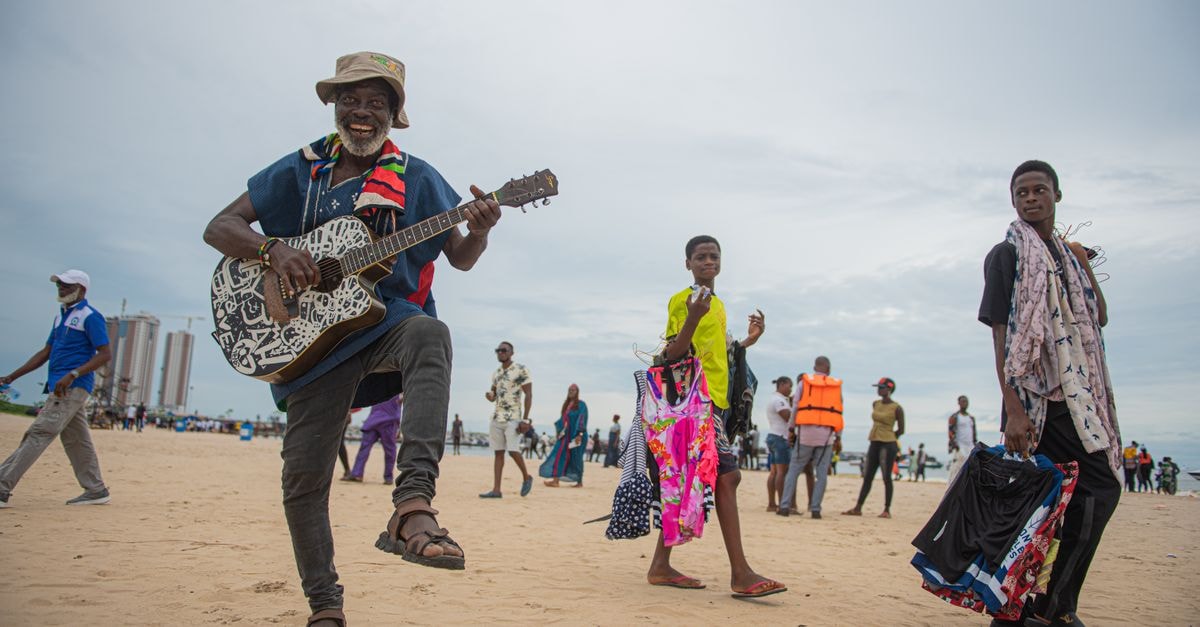
Visitors often find that Bunia rewards curiosity. Conversations with locals, time spent walking residential streets, and small observations about how daily life moves through the city can reveal as much as any planned excursion. The capital city of Ituri Province has the kind of layered feel that rewards travellers who approach it without rigid expectations, allowing the destination to introduce itself through small, repeated encounters.
A Note on Practical Planning
Bunia is not a city with a thick tourist infrastructure, and that fact is part of its character. Travellers tend to arrive with a flexible plan, a clear sense of their own limits, and a willingness to lean on local knowledge. Those who treat the destination as a place to learn from rather than to consume tend to have the most meaningful experiences here.
Because conditions in and around the city can shift, and because travel in this part of the DRC asks for careful attention to current circumstances, it is wise to check official channels and updated travel advisories before departure. Factual travel conditions can change, and a thoughtful preparation period helps ensure that the trip reflects the city as it is, not as it was when an article was written.
Rates for goods, transport and services can shift with currency movement, so visitors should treat any reference figures as a starting point and verify the live rate before exchanging money. The same principle applies to itineraries: a flexible mindset is more valuable than a fixed schedule in a destination like Bunia.
Final Thoughts Before You Go
Bunia is the kind of destination that stays with travellers who let it. It is a working city, a regional capital, and a doorway into one of Africa's most ecologically rich regions. Visitors do not come for showpiece attractions; they come for the layered experience of being in a place where forest, market, and everyday life meet. For those who travel with patience, curiosity and care, Bunia offers the kind of encounter that is becoming harder to find elsewhere: a city that still feels deeply connected to the land that surrounds it.
Share this article
TOOLS FOR THIS PLAN
Make the Bunia plan measurable
Choose a tool only when it answers the next question in your trip. Your values stay in the browser, and each tool offers a route back to this planning context.