A small coastal enclave with its own rhythm

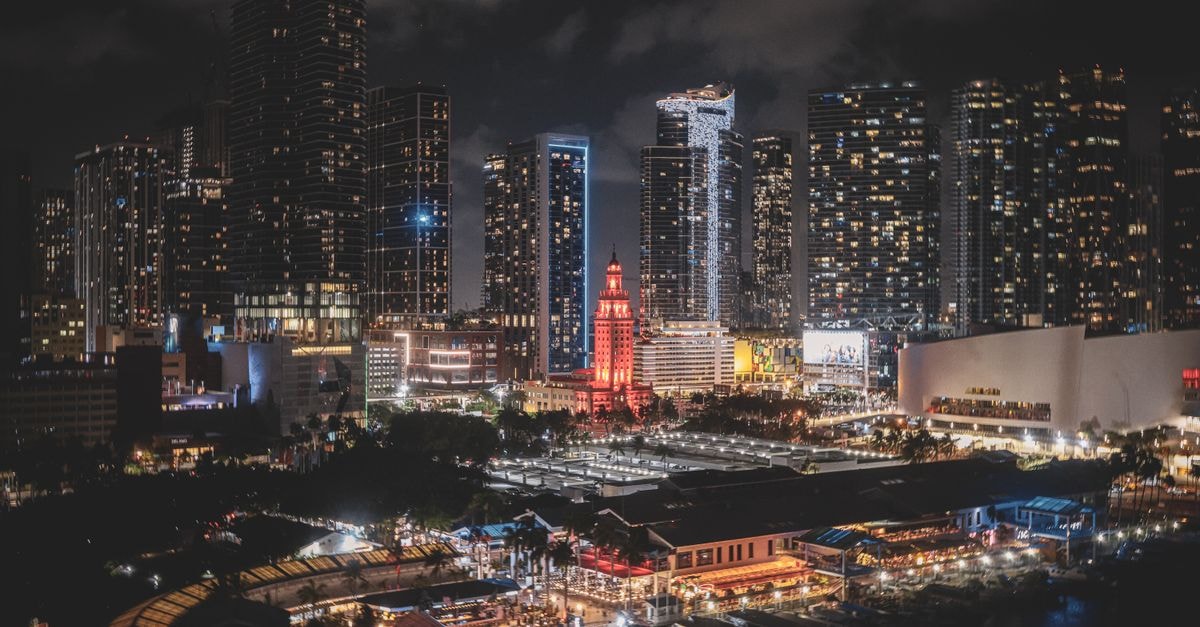
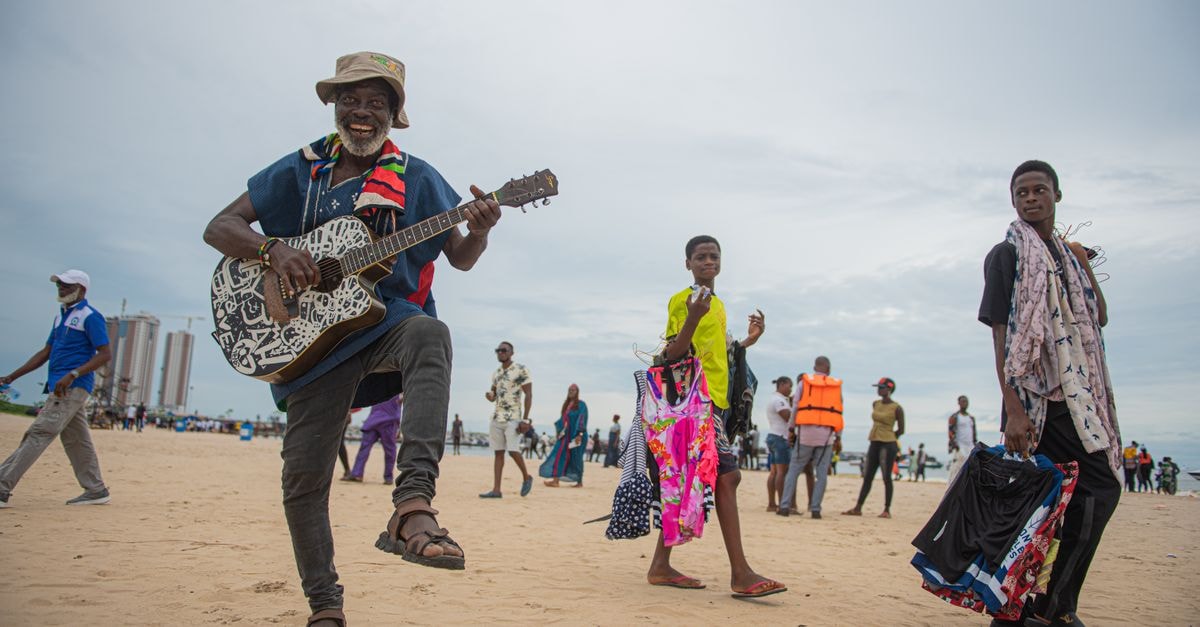
Cabinda, the small Angolan province that sits separated from the rest of the country by a strip of the Democratic Republic of the Congo, has a character all its own. The area is described as having dense rainforest, an oil-driven economy, and a distinctive cultural identity that sets it apart from mainland Angola. That sense of separateness, of being both Angolan and distinctly its own thing, is part of what makes a visit here feel like stepping slightly off the usual map.
This guide gathers the evergreen essentials for visiting Cabinda: what the climate tends to feel like, how travelers typically move around, what kinds of attractions the area is known for, and how the local food scene reflects its heritage.
Weather and seasonal context
Cabinda sits within a tropical equatorial zone, and the climate is broadly described as hot and humid year-round with significant rainfall. Under the Köppen–Geiger system, the area is classified as a tropical savanna climate. Monthly climate data for Cabinda lists daily means, minimums, and maximums, giving a sense of how consistent the warmth remains through the year. Rainfall patterns, rather than temperature swings, tend to shape how a trip feels here, and pacing the day around the heaviest showers is a reasonable approach for any visitor. Lightweight layers, quick-dry fabrics, and a compact rain layer tend to serve travelers well in this kind of climate.
Getting around
Cabinda's transport picture is modest and practical rather than polished. Public transportation options in the city include minibuses and taxis, though the system is described as somewhat limited. Travelers should not rely on ride-sharing apps here, as services such as Uber and Bolt are not widely available or operational in Cabinda City. For visitors, that typically means arranging taxis through a hotel or a trusted local contact, planning around minibus routes rather than expecting app-based convenience, and allowing more time for getting between points than a major city might require. Walking is useful within compact parts of the town, but distances and humidity often push people toward a vehicle for longer moves.
Attractions and planning
Cabinda is known for showcasing both natural beauty and historical depth, and visitor interest tends to focus on places that combine the two. The area's rainforest setting and Atlantic coastline give it a landscape quite different from interior Angola, and the cultural layering of Portuguese, African, and local Congolese influences gives historic sites and town spaces a particular flavor. Planning an itinerary here tends to work best when travelers keep expectations flexible: build a short list of must-see places, leave room for weather-driven reordering, and treat local advice as part of the planning rather than something to confirm after arrival.
Because Cabinda is geographically separated from the rest of Angola, any visit here involves a degree of logistical awareness. Travelers should confirm entry requirements and border formalities through official channels before traveling, and build in buffer time for any onward connections.
Food and local context
The cuisine of Cabinda is described as a vibrant blend of African influences with hints of Portuguese flair, and the local food scene emphasizes fresh Atlantic seafood. That combination reads clearly on a plate: fish and shellfish pulled from the nearby ocean, cooked with the spices, palm oils, and techniques familiar across coastal Central Africa, alongside flavors that echo Angola's wider Portuguese-influenced culinary tradition. Wider Angolan food culture, which visitors may also encounter, leans heavily on staples like funje (a cassava-based accompaniment), fresh fish, and tropical fruits.
For travelers asking what to try, the answer is essentially to follow the seafood. Meals in Cabinda tend to revolve around whatever has come in fresh, often grilled or stewed, and served with starches that soak up the sauce. There are no formal cooking lessons or organized food tours regularly open to visitors in Cabinda City, so the most natural way to explore the food scene is simply by sitting down at local spots and ordering what's in season. Eating where locals eat, asking about the catch of the day, and being open to unfamiliar preparations tends to reward curious travelers more than any checklist would.
A short practical note on payment and access: Cabinda is not a heavily touristed destination, so the usual advice about carrying some local currency, checking which establishments accept cards, and confirming payment methods in advance applies more strongly here than in Angola's larger cities. Confirm any costs directly with the venue or provider before committing.
A few closing thoughts
Cabinda rewards travelers who arrive prepared for humidity and rain, who don't expect ride-share convenience, and who treat the local food scene as something to explore through simple meals rather than organized experiences. The area's compact size, distinctive identity, and rainforest-meets-Atlantic setting make it a memorable stop for visitors interested in a less-trafficked corner of Angola.
A final note: any practical travel detail, from transport options to entry requirements, can change. Travelers should confirm current conditions through official Angolan channels and their own embassy or consulate before departure.
Verification note
Factual conditions in Cabinda, including transport availability, entry requirements, weather patterns, and local services, can change over time. Readers are encouraged to verify key details with official Angolan government sources, their accommodation provider, and relevant embassies or consulates before traveling.
Share this article
TOOLS FOR THIS PLAN
Make the Cabinda plan measurable
Choose a tool only when it answers the next question in your trip. Your values stay in the browser, and each tool offers a route back to this planning context.