Setting the scene for Cap-Haïtien

There are few Caribbean arrivals as quietly cinematic as Cap-Haïtien. Set on the northern coast of Haiti, the city opens up with a blend of colonial history and coastal scenery that feels worlds away from a typical beach stop. The historic core carries an elegance that visitors discover on foot, while the surrounding hills hold one of the most dramatic UNESCO World Heritage sites in the Caribbean: the Citadelle Laferrière. The atmosphere here rewards travelers who arrive with curiosity rather than a checklist, and who let the city's pace set the tone of the trip.
Getting around
Moving through Cap-Haïtien is a study in contrasts. The waterfront hums with sea breezes and the everyday rhythm of a working northern port, while the road toward Milot climbs into steep mountain terrain that quickly reminds visitors that this is not a flat-island destination. The signature excursion is the classic ascent to the Citadelle by horse and guide along the steep mountain trail above Milot — the kind of journey where the route itself becomes part of the memory.
Back in town, the evening pulse shifts to the seafront, where a popular seafront restaurant and bar serves Creole classics and grilled seafood with live music. It is a natural anchor for travelers who want to slow down after a day of climbing and sightseeing. Travelers who prefer to build their itinerary around meaningful pauses rather than a packed schedule may appreciate how the city's layout encourages exactly that. Cap-Haïtien offers a truly historic experience, contrasting vibrant coastal scenery with the dramatic ruins of the Citadelle Laferrière, a UNESCO World Heritage site — a pairing that rewards travelers who plan for both.
Travelers who prefer a more relaxed approach to the Citadelle ascent should consider the physical character of the route. The classic ascent is on horseback along a steep mountain trail above Milot, which is part of its atmosphere and means riders should be prepared for a vigorous ride rather than a paved path. Travelers who prefer easier ascents may want to ask a local guide about the level of riding involved before committing.
Attractions and planning
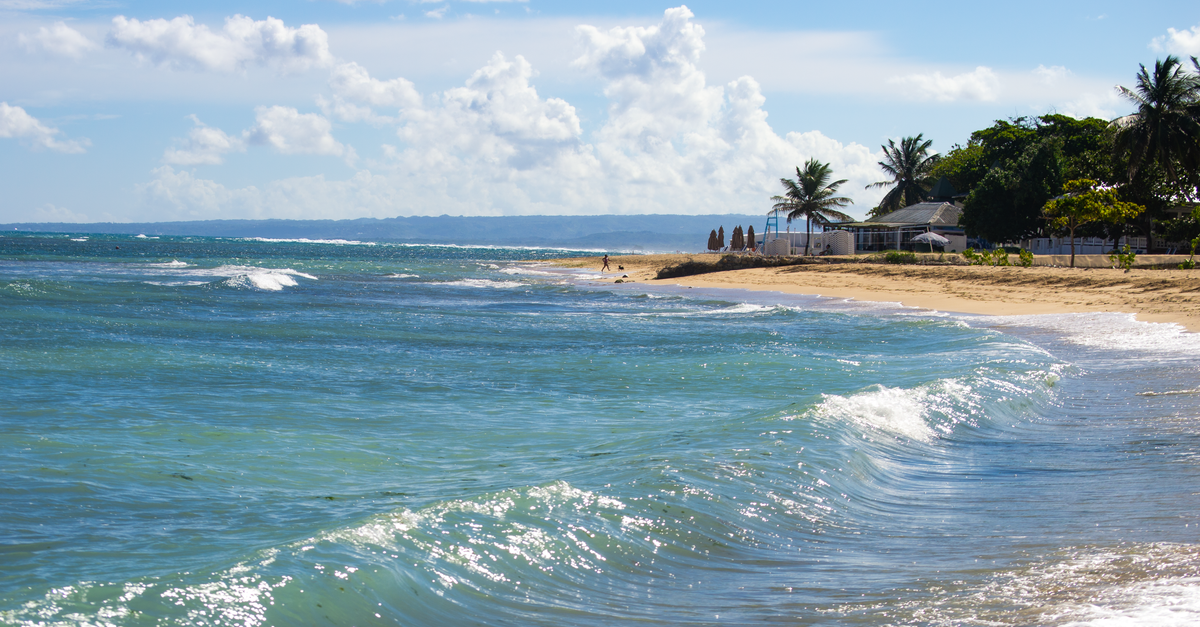
Cap-Haïtien is one of those destinations where the city's character is inseparable from its headline sites. Located on the northern coast of the island, Cap-Haïtien is home to rich colonial history and beautiful beaches — a combination that lets a traveler pair heritage mornings with coastal afternoons without ever leaving the broader region.
A first visit benefits from slowing down. Plan your ideal Cap-Haïtien trip with unique travel guides and personalized planning services by local experts. Travelers who prefer to design their own route can use those local guidance as a sounding board for questions about timing, local guides, and the rhythm of the day. The Citadelle Laferrière anchors the historic side of any visit, and the colonial-era architecture of the city itself provides a quieter but equally rewarding thread. Because a harbor-style discovery often leads visitors off the main square and into side streets, a half-day simply spent wandering the old town can rival any formal itinerary.
Travelers who appreciate botanical and agricultural encounters may find a different layer of discovery in the surrounding countryside. While official tours are not standard, locals might just invite you to see the groves up close and share a taste of Haiti's citrus-scented heritage — a spontaneous kind of hospitality that rewards visitors who accept the invitation and engage with the people they meet.
For travelers who enjoy bringing a sense of place home, some Cap-Haïtien guide services offer themed illustrated prints and posters that capture the city's coastal charm and historic elegance — a small way to extend the trip's atmosphere into a living space once the journey ends. If you enjoy collecting place-based prints, the rule is simple: consider the city's visual language, from the Citadelle silhouette to the harbor-front palette, before choosing.
Food and local context
Food in Cap-Haïtien is approached with the same care visitors bring to the city's architecture and coastline. At Visit Haiti, food is treated as one of the best ways to experience a new culture, and discussion of local cuisine is framed almost as discussion of art — a perspective visitors will recognize in the way dishes are presented and shared. In Cap-Haïtien, this sensibility is felt across the city's seafront tables and family-run spots, where grilled seafood and Creole classics often anchor the evening. Travelers who enjoy sitting at a seafront table as the sky changes may find that the city's food scene rewards unhurried dinners, with the live music and warm coastal breeze doing as much work as the menu.
A note before you go
Factual travel conditions can change, so check official channels and local guidance before departure for the latest on transport, opening patterns, and on-site details. The information in this guide reflects the verified facts available at the time of writing, and small details — from the route to the Citadelle to evening seafront choices — are worth confirming locally once you arrive.
Share this article
TOOLS FOR THIS PLAN
Make the Cap-Haïtien plan measurable
Choose a tool only when it answers the next question in your trip. Your values stay in the browser, and each tool offers a route back to this planning context.