Setting the scene in Les Cayes

Les Cayes is the southern anchor of Haiti's Sud Department, a coastal city that blends Haitian and French influences in its architecture, language, and daily rhythms. With a population of over 150,000, it carries the feeling of a regional capital without the rush of Port-au-Prince, and travelers who slow down here tend to notice how much of its character lives in the everyday: conversations on corners, the slow arrival of fishermen, the soft light over the waterfront. It is the kind of place that rewards unhurried wandering rather than a checklist.
Weather and seasonal context
Les Cayes sits firmly in the tropics, so the rhythm of a visit is shaped more by rain and shine than by traditional four-season thinking. Heat and humidity tend to hang in the air year-round, which can make midday a heavy stretch for walking and favors a slower pace: an early start, a long lunch, and a return to the streets once things cool down.
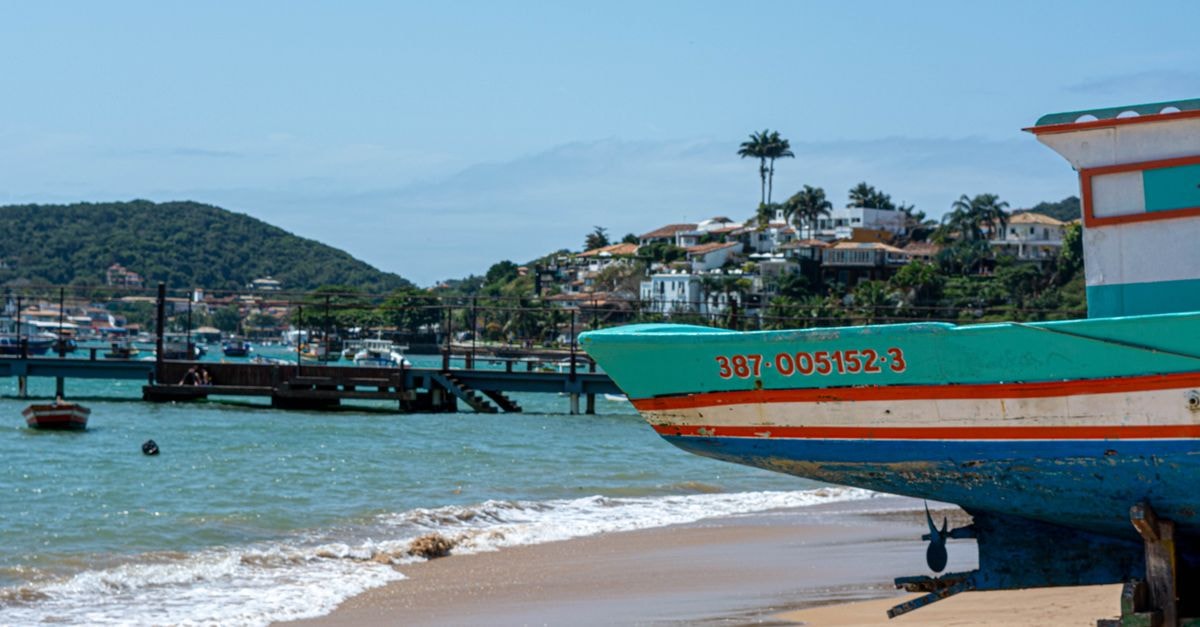
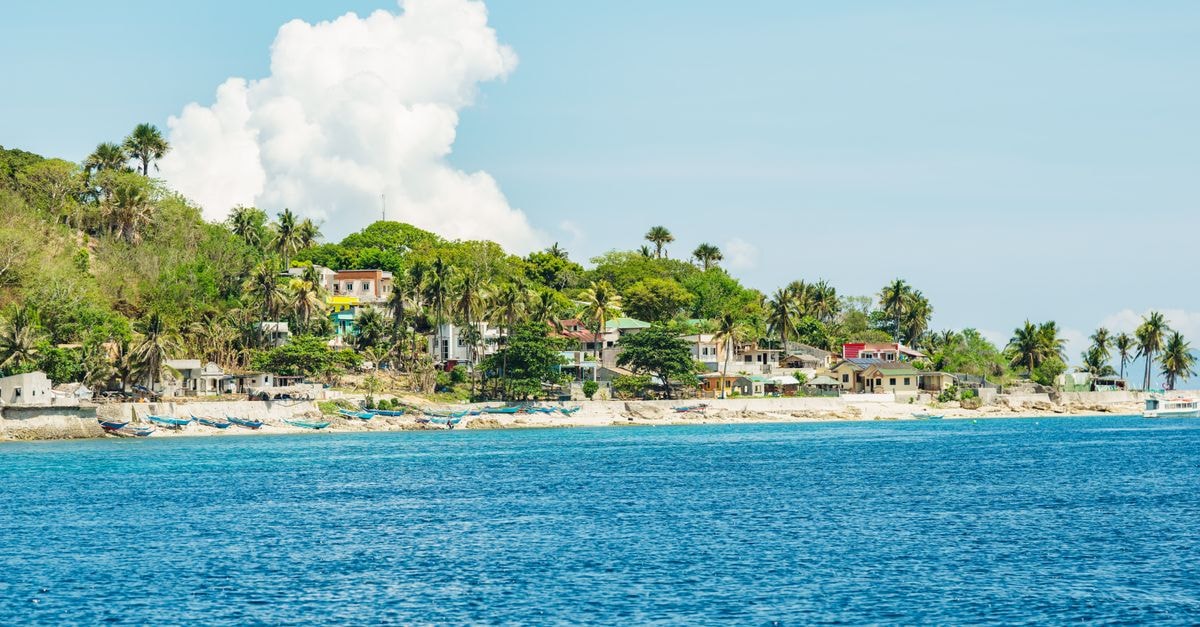
The coast and the seafront promenade are the natural places to absorb the city's daily mood. Walking along the town's shoreline is a popular way to watch fishermen, street vendors, and the wider pulse of local life, and it doubles as an easy orientation exercise on a first afternoon. As with any Caribbean city, standard precautions apply: it is generally a relaxed place to walk in busier, well-lit areas, while poorly lit streets at night are best avoided, belongings should be watched closely, and licensed taxis are the sensible way to move after dark.
Getting to Les Cayes
Reaching the southern metropolis of the Sud Department requires a bit of planning, and that planning is part of the trip, since the journey itself can offer scenic views of the southern peninsula. Several options exist for travelers coming from international hubs or moving domestically within Haiti, and the choice tends to come down to time, budget, and appetite for overland travel.
For independent travelers, traveling by car to Les Cayes most often begins from the capital, and that remains the most logical starting point. The longer route is also the more rewarding one: renting a car gives the freedom to pause in colorful villages along the way, to buy tropical fruit from roadside stalls, and to simply admire the views of southern Haiti as the road descends toward the coast.
Getting around once you're there
Within Les Cayes itself, the city is compact enough that short trips can often be done on foot, especially around the central streets and the seafront promenade, which is one of the easiest places to feel the city's everyday texture. For longer distances, taxis are the practical option, and choosing licensed drivers is the simple habit that makes the rest of the day easier. As with any unfamiliar city, keeping valuables close and avoiding poorly lit areas after dark keeps the evening uncomplicated.
Attractions and planning
Les Cayes sits on the southwestern coast of Haiti and is often described as a hidden gem for travelers seeking an authentic experience away from the country's busier hubs. The list of notable places clustered in and around the city gives a sense of how much variety fits into a short stay: Les Cayes Beach and Fort des Oliviers hold down the coastal and historical end of things, while Île à Vache and Gelée Beach extend the options further along the shore. Inland, the landscape shifts: Les Cayes Cathedral anchors the city's built heritage, while Cascade Saut-Mathurine, the Torbeck Waterfall, and Source Chaude de Macaya open up the green, water-rich country behind the coast. Fort Napoléon and Bassin Bleu round out the more dramatic natural stops that the region is known for.
Because the area offers such a wide spread of experiences, from shoreline walking to waterfall stops and historical sites, it helps to think in terms of loose themes rather than a rigid day plan. One day can lean toward the waterfront and the cathedral, another toward a longer excursion with cooler inland air, and a third toward simply watching the city go by from the promenade. That kind of loose structure tends to suit the pace of the south coast better than a tightly scheduled list.
Staying safe and comfortable
Les Cayes is relatively safe for visitors who approach it with the same common sense they'd bring to any unfamiliar coastal city. The habits that matter most are simple: stay aware in less familiar neighborhoods, avoid poorly lit streets at night, keep an eye on phones and bags in busy areas, and use licensed taxis rather than unmarked cars. Travelers who pair those habits with the kind of curiosity that comes from walking the promenade, lingering over meals, and asking locally for current advice tend to find that the city is welcoming and easy to settle into.
A note before you go
Factual travel conditions can change over time, and details that matter most, such as road conditions, recommended transport, and local guidance, are worth confirming with official channels and up-to-date local sources before departure. Treat this guide as a starting frame for thinking about Les Cayes rather than a final word, and let current, on-the-ground information shape the finer details of your trip.
Share this article
TOOLS FOR THIS PLAN
Make the Les Cayes plan measurable
Choose a tool only when it answers the next question in your trip. Your values stay in the browser, and each tool offers a route back to this planning context.