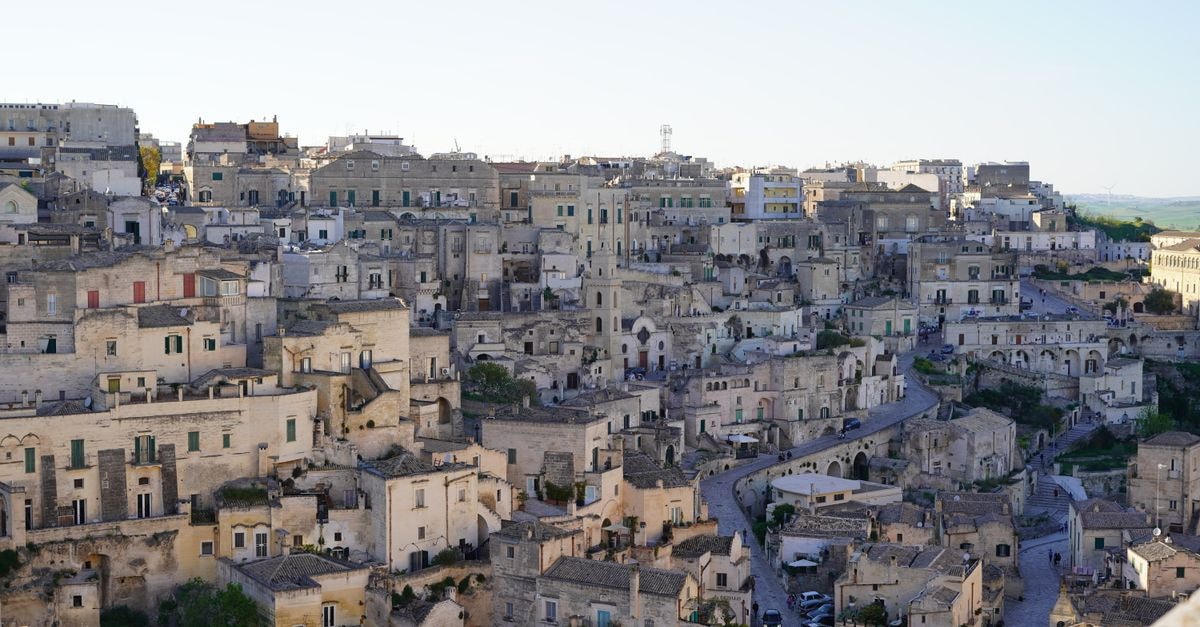
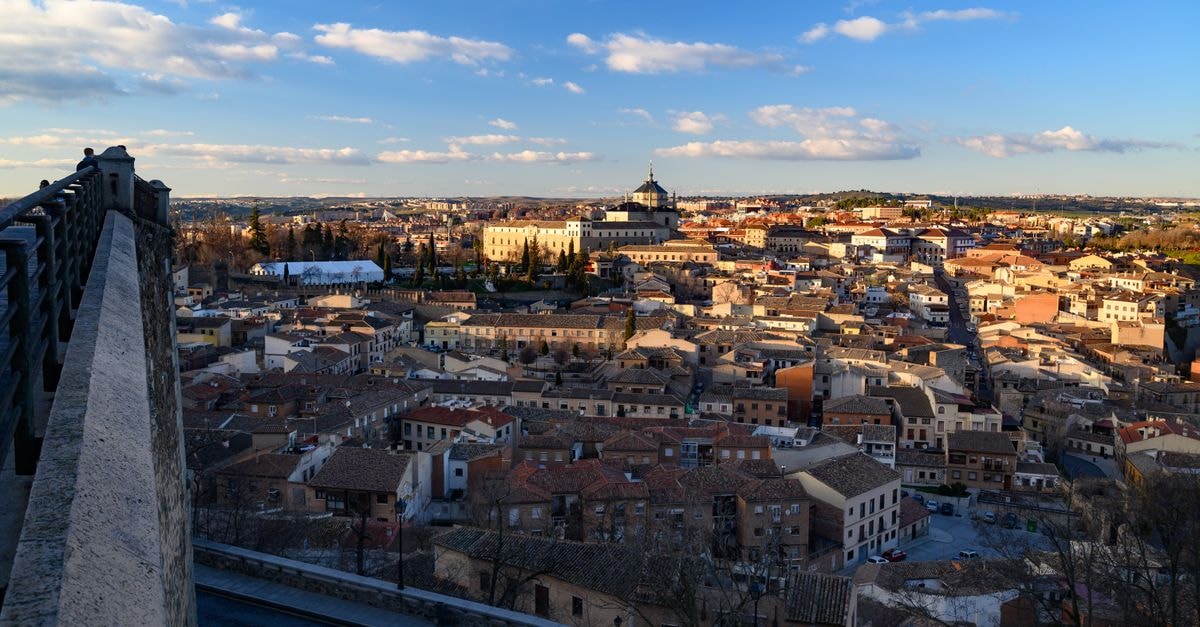
Tucked into the instep of southern Italy, Catanzaro is the kind of city travelers stumble into and quietly fall for. It carries the official title of capital of Calabria, yet it sits far from the well-worn tourist circuits of Florence, Rome, and Venice. That relative obscurity is part of its charm: you can wander through a real southern Italian city, where everyday life still happens in piazzas and along narrow lanes, and feel that you are discovering something instead of just confirming a guidebook checklist.

What makes Catanzaro immediately intriguing is its geography. The city is famous as the "city of two seas" because its hilltop historic core looks out over a narrow isthmus where the Ionian and Tyrrhenian coasts almost meet. Stretched across three hills overlooking the Musofalo and the valleys around it, Catanzaro has the kind of layered skyline that begs for slow walks and long pauses on terraces. With a population of roughly 91,000, it is sizable enough to feel like a true regional capital, yet compact enough that much of the essence can be absorbed on foot.
A useful thing to know before you arrive is that Catanzaro has a long, refined history of silk and velvet production, a craft heritage that still shapes local identity today. This is one reason the city attracts Italians themselves during the warmer months, when they come for both the coast and the cultural calendar. For international visitors, that means you are likely to share the streets with fellow travelers who know what they are looking at.
Weather and seasonal context
Catanzaro's climate leans Mediterranean, with mild winters and warm summers. The most useful seasonality datapoint in the public record refers to the off-season stretch from November through February, when January tends to sit around 12°C. That cooler window is when the city is at its sleepiest, museums and historic streets are easiest to enjoy without crowds, and the café tables are more likely to be available even at busy hours.
If you happen to be planning your visit during a warmer stretch, the practical implication is straightforward: pace the day differently. Long, midday walks through open squares can feel tiring, while mornings and the softer late-afternoon light make exploring far more pleasant. Always check the current forecast before you fly, as conditions can shift from year to year, and treat any climate notes you read as a guideline rather than a guarantee.
Getting around and orientation
Catanzaro is split between its older hilltop core and lower, more modern neighborhoods that fan down toward the coast. Because the historic center sits across three hills overlooking the Musofalo and the surrounding valleys, be ready for slopes and stairways rather than flat grid planning. Comfortable shoes and a willingness to retrace your steps uphill matter more here than an aggressive sightseeing schedule.
For broader Calabria exploration, the city works well as a base: the "city of two seas" position means you can reach the Ionian side and the Tyrrhenian side on separate half-day outings if you have a rental car. Within the city itself, however, most of what visitors come to see is best handled on foot, with the occasional local bus or taxi filling the gap between hilltops and lower districts. Treat public transport timetables as something to confirm locally; coverage and frequency are best checked at the station or with your hotel on arrival.
The simplest mental model for orientation is this: think of Catanzaro as a layered city with a panoramic spine (the older hilltop streets and viewpoints) and a more everyday modern base below. Plan one slow uphill morning to get the views and the orientation, then spend the rest of your stay drifting between the layers.
Attractions and cultural stops
Catanzaro rewards visitors who are curious about Calabrian identity rather than just chasing headline sights. The Museum of Arts of Catanzaro in particular is worth prioritizing, framed in local cultural writing as a unique opportunity to deepen your knowledge of Calabrian culture and to appreciate art as a vehicle of identity and tradition. Visiting it gives you context that transforms the rest of the city: after an hour inside, the streets outside start to read as living continuations of the same story.
Beyond any single museum, allow time to simply drift through the historic core. The cathedral area, older palazzi, and quiet terraces offer the kind of incidental discoveries that a heavily touristed Italian city rarely still provides. Because Catanzaro is a capital without the crush of mass tourism, it is the kind of place where you can stop at a bench, listen to conversations drift from open windows, and get an unscripted sense of southern Italian daily life.
Food and the Italian table
Catanzaro sits inside one of the world's great food cultures, and the broader Italian approach to eating shapes what you will encounter here as much as any local signature. Across Italy, meals tend to be unhurried, structured affairs, and the country overall reads as a food lover's paradise offering a wide range of dishes and drinks to suit different tastes and budgets.
In practice, that means leaning into the rhythm rather than rushing it. Order a long lunch, expect multiple courses when you sit down at a proper trattoria, and save room for whatever regional pasta, seafood, or pastry the kitchen is highlighting that day. Calabria as a whole is known for bold flavors and a confident use of chili, and a slow approach to the table is the best way to read what is on offer. As ever, confirm current opening hours, menu details, and prices directly with the restaurant before committing, especially for smaller family-run places.
Practical notes for slow travelers
Because Catanzaro is a regional capital rather than a mass-tourism hub, a few practical choices can shape the trip more than any single sight. Stay centrally if you can, ideally within walking distance of the historic core, so that evenings can wind down with short strolls back rather than taxis. Build in at least one full day with nothing booked in advance, so that a recommended café, a shop, or a viewpoint you hear about locally can become the day's plan.
For day-to-day spending, your main variable will be how often you eat restaurant meals and whether you rent a car to reach coast or countryside. Because the approved evidence does not include specific price ranges for Catanzaro itself, it is best to research current costs closer to your trip and budget accordingly rather than rely on any quoted figure here.
Final verification note
Conditions in any Italian city, including Catanzaro, can shift between the time a guide is written and the moment you visit. Opening hours, exhibition schedules, transport timetables, and accessibility at specific sites can all change. Treat the cultural framing and orientation points above as durable, but always cross-check practical details such as museum hours, ticket arrangements, and transit options through official channels, your accommodation, or local tourist information before you finalize your plans.
Share this article
TOOLS FOR THIS PLAN
Make the Catanzaro plan measurable
Choose a tool only when it answers the next question in your trip. Your values stay in the browser, and each tool offers a route back to this planning context.