A market town with the island's everyday pulse
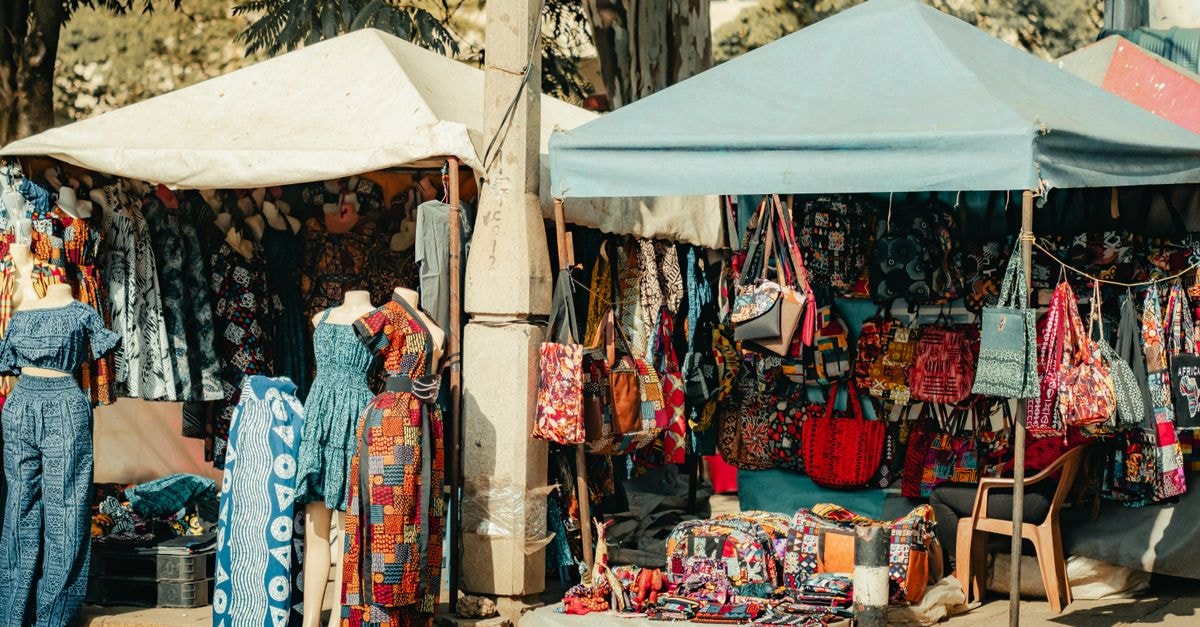
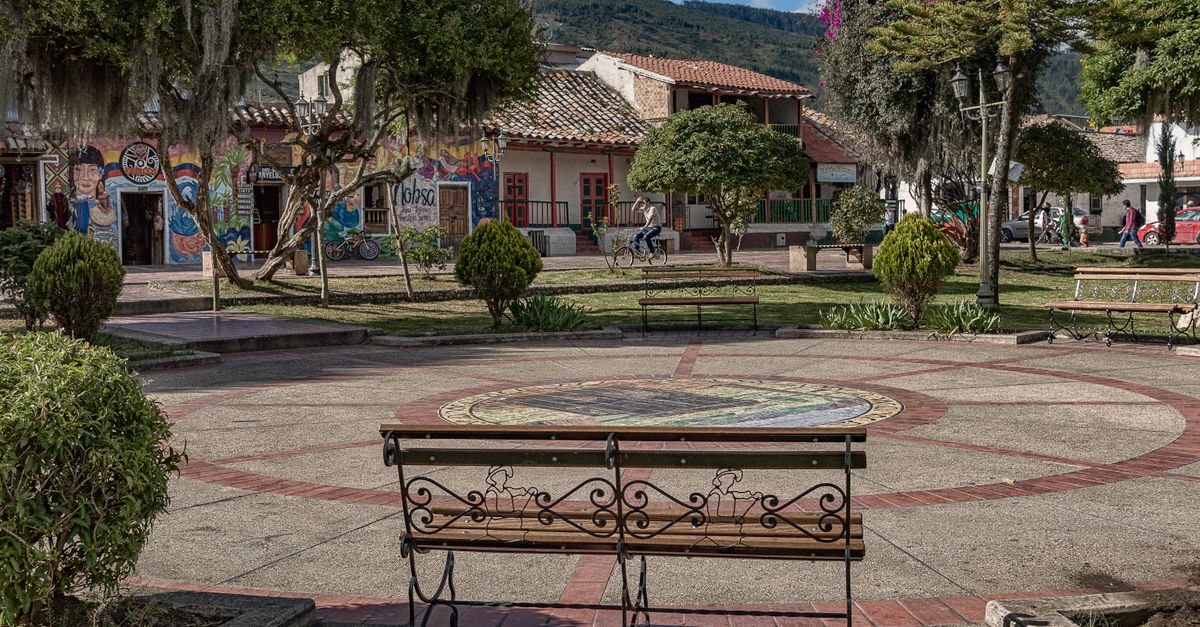
Centre de Flacq is one of the most important villages in Mauritius, sitting on the east coast as a working hub where daily commerce, religious life and road travel converge. Rather than a manicured resort enclave, it offers the texture of Mauritius as locals live it — a town where people come to shop, worship, and catch buses heading further along the coast. Travellers who enjoy stepping into the rhythm of a place rather than only viewing it from a distance often find Centre de Flacq rewarding because so much of its life happens out in the open air, around its lanes and squares.
Weather and seasonal context
The east coast of Mauritius is known for a tropical climate with warm temperatures year-round, and Centre de Flacq's open-air market culture means the weather is part of the experience rather than a backdrop. Mornings can feel comfortable for browsing, while the middle of the day can feel noticeably humid when wandering between stands. Pacing the day with a break during the hottest hours can suit anyone sensitive to tropical heat.
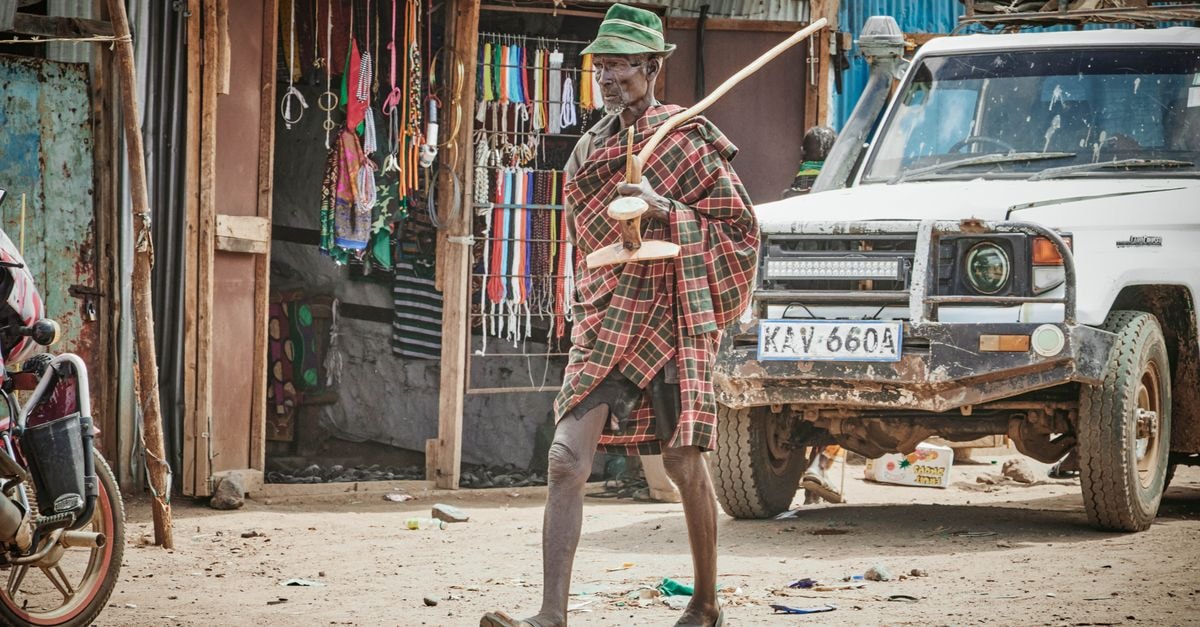
The town is described as a bustling market hub on Mauritius's east coast, with seafood stalls and dholl puri stands crowding the streets, so a light, breathable wardrobe and comfortable shoes for uneven ground will generally serve you well. Since most visitor activity centres on the open-air market and a nearby Hindu temple, sun protection and a refillable water bottle are practical companions. Rain tends to come in short, intense bursts in tropical east-coast weather, so a compact umbrella or light rain layer can be useful even on a fine-looking day.
Getting around
Centre de Flacq is a significant road junction on the east of the island, which makes it a natural waypoint for overland travel rather than a pedestrian-only enclave. Public buses and taxis link the town to surrounding villages and coastal points, and the road network means drivers can use Centre de Flacq as a base for exploring nearby by day. Travellers without a car can still rely on the bus and taxi network for short hops along the coast.
Because the town functions as a road hub, expect traffic to thicken on market days when visitors from neighbouring villages pour in. If you prefer a calmer arrival or a quieter first look at the lanes, an early-morning visit may suit you, while those who want to feel the full bustle may prefer to arrive when the market is at its busiest.
Attractions and planning
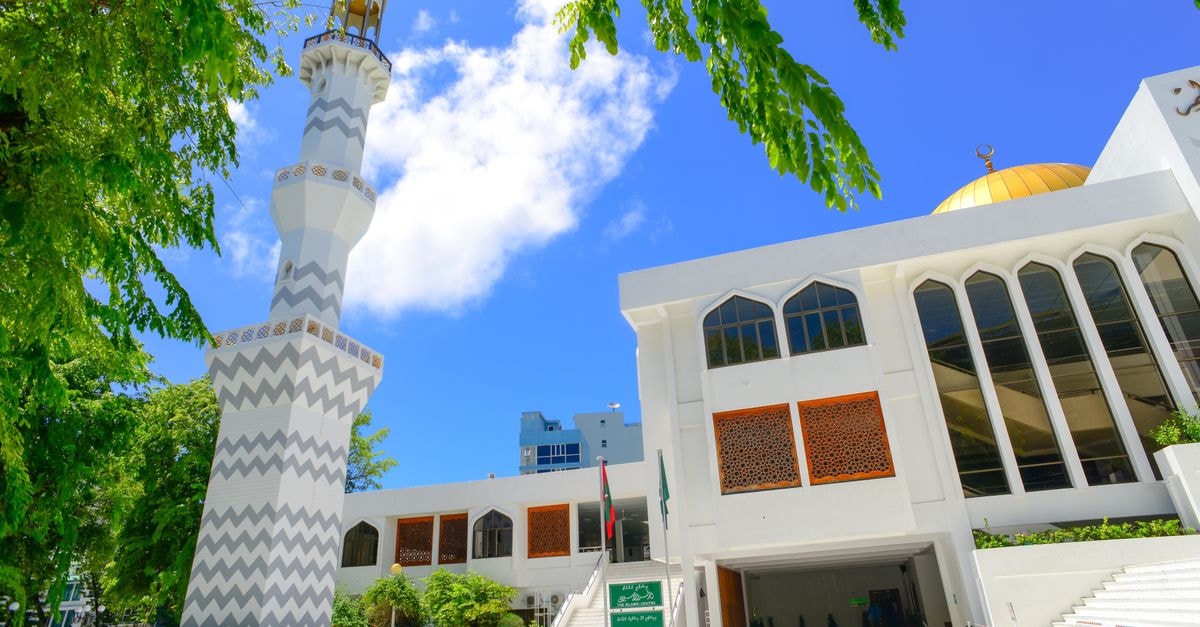
Beyond the market, a visit to the Hindu temple of Centre de Flacq is a must for travellers interested in the cultural heritage of Mauritius. The temple offers a window into the religious life that shapes much of the town's calendar, and respectful visitors are welcome during appropriate hours. Removing shoes, dressing modestly and asking before photographing worshippers are standard courtesies when entering any active place of worship in Mauritius. One of the main attractions in Centre de Flacq is its Central Market.
Because much of Centre de Flacq's appeal is informal and street-level, the best planning is light. Allow a few unhurried hours for the market and temple, build in time for a sit-down dholl puri or a fresh seafood plate, and leave the rest of the day open for whatever catches your eye. If you prefer guided context over wandering, asking stallholders or your accommodation about local guides can be a simple way in.
Food and local context
The food experience in Centre de Flacq starts at the street stalls — particularly the seafood stalls and dholl puri stands that crowd the streets on busy days. Dholl puri, a thin yellow split-pea flatbread usually served with curried fillings, is part of the wider everyday street-food culture of Mauritius, and visitors exploring the town on foot are likely to encounter it at stalls alongside the seafood vendors. Fresh seafood from the east coast is the other anchor of the local offering, and the market is a natural place to sample it shortly after it lands.
Across Mauritius, the cuisine reflects the island's tropical environment and a long history of cultural diversity, blending Indian, Creole, Chinese and French influences into a shared everyday table. Visitors in Centre de Flacq are likely to encounter that broader Mauritian food culture in casual form — a curry here, a farata or roti there, fresh tropical fruit, and the easy sweet-and-spice combinations that define island cooking. It is a cuisine built for warm weather: bright, filling and meant to be eaten slowly with company.
For travellers with specific dietary preferences, the market-and-stall format is forgiving. Many stalls offer vegetable curries and lentil-based dishes alongside seafood and meat, and the dholl puri itself is often filled with simple vegetarian curries as a default. Travellers who prefer a sit-down setting over a stall can step out of the market lanes into nearby small restaurants where the same Creole-Mauritian staples appear on the menu.
Choosing what fits your trip
Centre de Flacq suits travellers who enjoy street-level culture more than resort seclusion. If your priority is a market morning followed by a temple visit and a slow lunch of street food, the town can carry a full day on its own. If you prefer a quieter base and are happy to use buses or a rental car to reach it, the town can work well as a half-day stop on a wider Mauritius itinerary.
Travellers stopping for the colourful Thursday market may want to plan around that weekly cycle, and those drawn to day trips to the east coast will find Centre de Flacq a practical waypoint thanks to its bus and road links along the coast. If you would rather have beachfront lounging, fine-dining polish or curated resort experiences as your main rhythm, Centre de Flacq may feel less central — but its market day still rewards a single visit for almost any traveller passing the east coast.
A note before you go
Travel conditions in Mauritius — including market hours, temple visiting protocols, bus timetables and weather — can shift. Confirm specific details through your accommodation and official tourism channels before your visit. Prices, opening hours, schedules, reservation rules, and local conditions can change; verify them through official channels before departure.
Share this article
TOOLS FOR THIS PLAN
Make the Centre de Flacq plan measurable
Choose a tool only when it answers the next question in your trip. Your values stay in the browser, and each tool offers a route back to this planning context.