A first look at Chalatenango

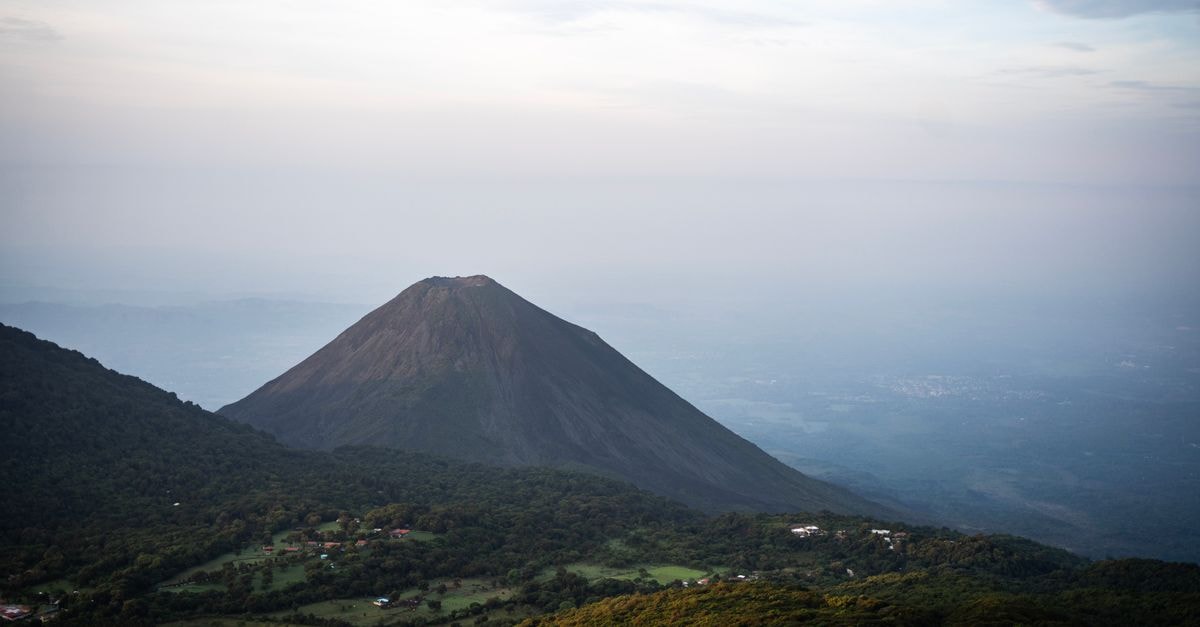
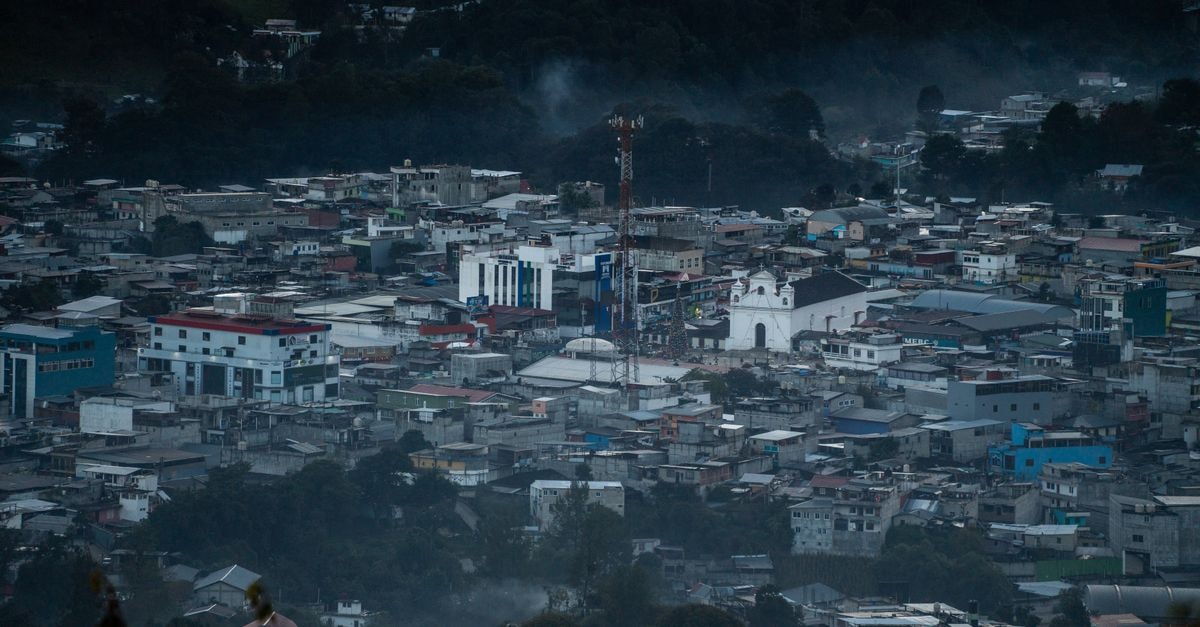
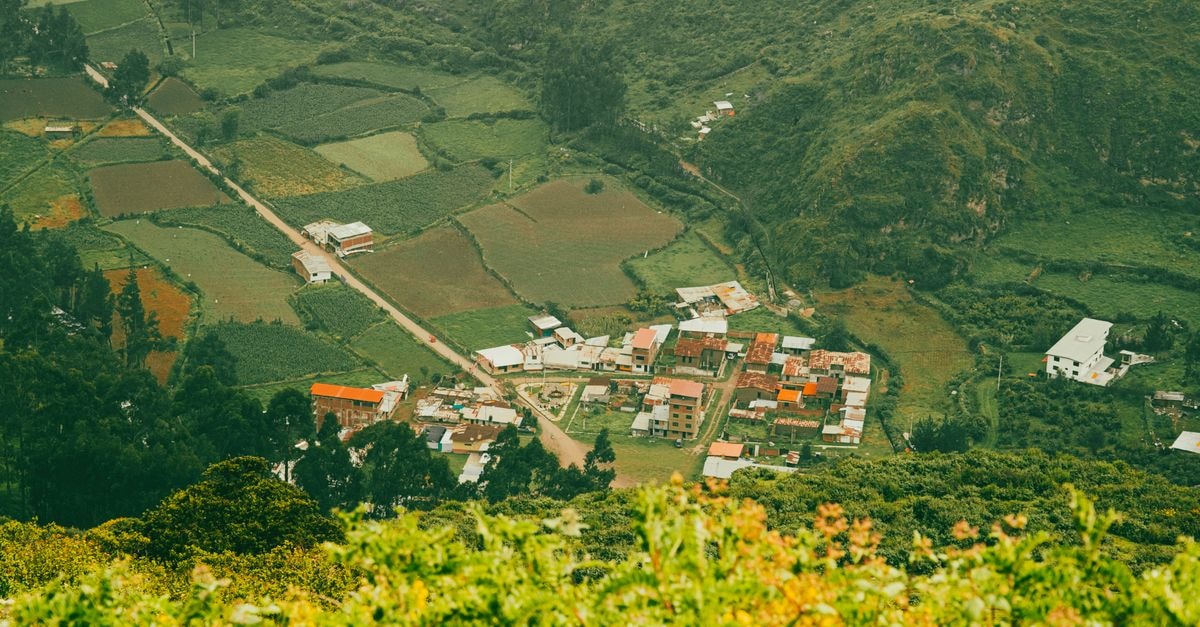
Set in the central-northern part of El Salvador, the town of Chalatenango sits at the heart of a department that stretches across the country's central-northern landscape. Many visitors arrive expecting only a quiet pass-through town and are surprised to find a small cultural pocket where artisans still produce work by hand and where the rhythm of daily life revolves around the plaza, the market and the bus stop.
This guide keeps things deliberately simple. The evidence available for Chalatenango centers on two things that tend to matter most for independent travelers: figuring out how to move around using local buses, and knowing what kind of cultural experience to look for once you have arrived. Think of the rest of this page as a starter kit for a town that rewards slow wandering rather than a checklist.
Getting around by local bus
The bus network is the backbone of getting around Chalatenango and the wider department, and understanding it early tends to shape the rest of the trip. Travelers who prefer to explore at street level, watch the landscape unfold and save on transport costs will generally find this kind of public transit a natural fit.
Within the department, public buses connect Chalatenango town itself with the surrounding districts, and the same network can carry visitors who arrived from elsewhere in El Salvador into the center of the area. The system is organized enough that locals and repeat travelers tend to navigate it confidently; first-time visitors can follow their lead and ask for the correct bus before boarding. A couple of practical habits tend to make the experience smoother: ask which bus goes to your specific destination rather than assuming one route covers the whole department, and expect to be dropped in or near the town center where onward connections are easiest.
Handicrafts and souvenir shopping
Chalatenango has a visible craft tradition, and the pieces that come out of local artisan workshops are among the most distinctive things to bring home from a visit. The department is known for handmade textiles, decorative pieces and small artisan goods that reflect a slower, more personal way of making things.
These crafts are typically available at local markets and, for travelers who want to see how the work is produced, directly from artisan workshops in and around town. Buying from a workshop can mean watching the piece being finished and talking to the maker, which tends to be a more memorable experience than a quick market stop. For travelers who like bringing home something with a story attached, the handicraft scene is one of the strongest reasons to slow down in Chalatenango rather than treat it as a transit town.
If you are short on time, the local market is the most efficient place to see a wide range of pieces in one place. If you have a few hours to spare, asking around about nearby workshops and visiting one can turn a souvenir purchase into a small cultural moment.
A memorable meal at Doña Rosa's
Food is often where a town reveals its personality, and Chalatenango has at least one dining spot that travelers consistently describe as a must-visit. Doña Rosa's Dining Room has the feel of a place that visitors talk about long after they have left: a home-style room, a welcoming host and the kind of food that turns a stop into a memory.
For travelers who care most about authentic local flavors over polished restaurant experiences, this kind of setting tends to suit the bill perfectly. A meal here is a chance to sit down, slow the pace of the day and try whatever the kitchen is preparing that day, which is usually how home-style rooms operate.
It is worth treating the visit as part of the cultural experience rather than a quick refueling stop. Pairing a meal at Doña Rosa's with a slow walk through the surrounding streets, or a visit to the local market earlier in the day, tends to make for a relaxed and grounding afternoon.
A note on checking the details
Travel conditions, bus routes and small family-run businesses can change without notice. Before traveling, it is sensible to verify current transport options with official sources or your accommodation, and to confirm opening hours and availability for any specific spot you plan to visit. Factual conditions on the ground can shift, and a quick check before departure helps make sure the experience matches what you read here.
This guide is a starting point rather than a final itinerary. Treat it as a friendly frame for the trip, and let Chalatenango reveal the rest once you arrive.
Share this article
TOOLS FOR THIS PLAN
Make the Chalatenango plan measurable
Choose a tool only when it answers the next question in your trip. Your values stay in the browser, and each tool offers a route back to this planning context.